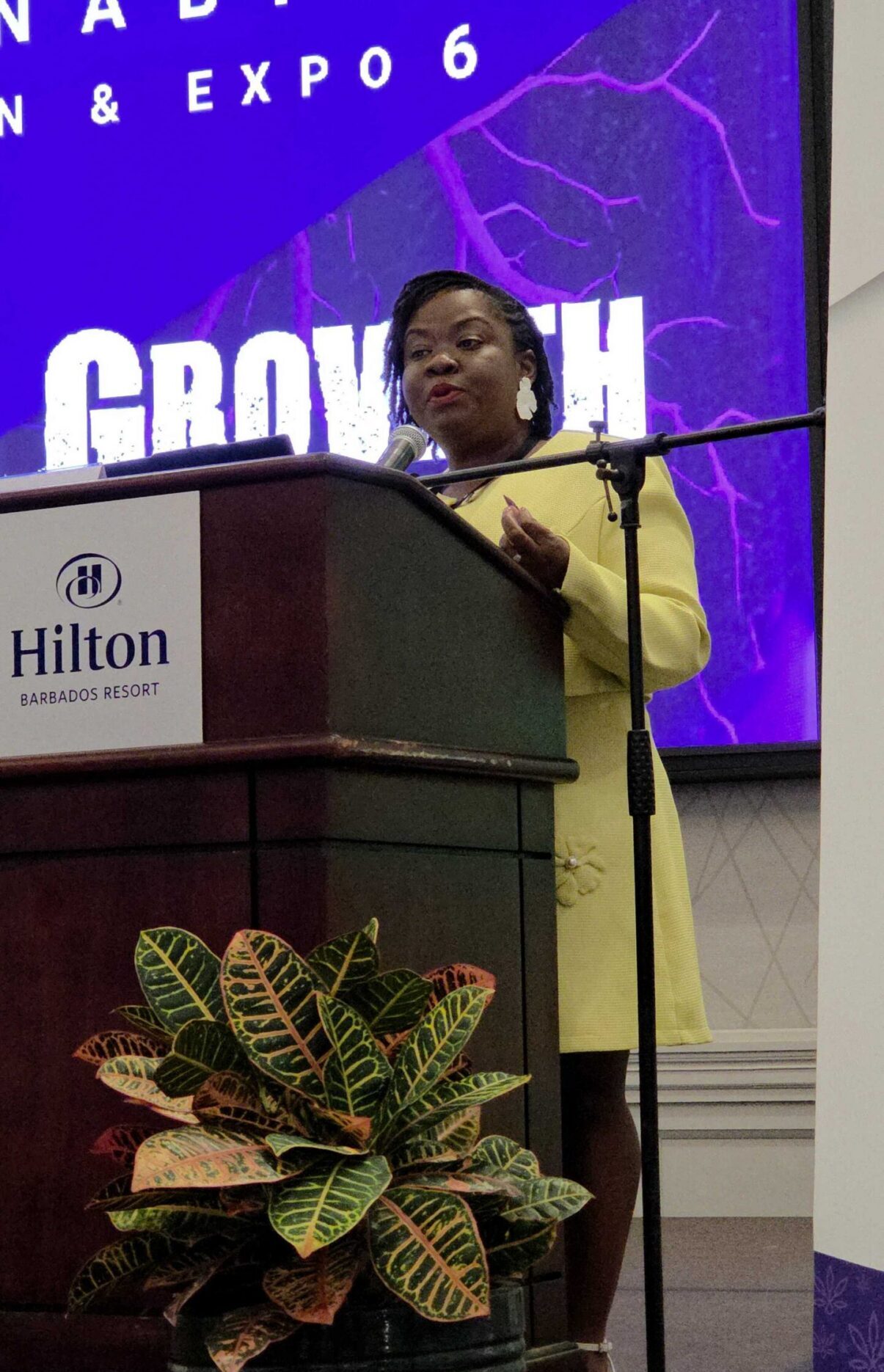
On a Friday public briefing, the top official overseeing Barbados’ fast-emerging medicinal cannabis sector openly confirmed that exorbitant licensing fees are locking small-scale independent farmers out of a market many had hoped would create new local livelihoods, alongside a tangled web of social stigma, regulatory advertising limits and structural barriers that are slowing the industry’s full maturation. Shanika Roberts-Odle, chief executive of the Barbados Medicinal Cannabis Licensing Authority, addressed long-running public concerns about the steep price of a tier-one five-year cultivation permit, which totals roughly $29,700, during an interview with local outlet Barbados TODAY. While she broke down the cost to an average of $495 per month across the full five-year licence term, she did not shy away from acknowledging that the sum is unaffordable for most low-resource smallholders seeking to enter the space. “There is no way around it: this price point is prohibitive for a small independent operator just starting out. We would love to see better access to low-interest capital for these farmers, but the unvarnished reality is that building a compliant, safe medicinal cannabis operation requires significant upfront investment to generate returns,” Roberts-Odle explained. In defence of the fee structure, she noted that the costs fund rigorous compliance checks, public safety protocols and shared industry infrastructure to prevent unregulated, unsafe product from reaching patients, and proposed that groups of small local farmers could pool their collective capital and resources to apply for shared cultivation permits as a transitional pathway to entry. Even as the sector grapples with these financial barriers, two overlapping sets of non-monetary hurdles continue to impede progress: deep-seated social stigma and restrictive advertising rules. Roberts-Odle outlined that stigma begins at the very point patients seek care, noting that many oncologists and conventional care providers refuse to even discuss medicinal cannabis as a supplementary treatment option, pushing patients to delay exploring cannabis-based relief until all standard conventional therapies have been exhausted. For working Barbadians who hold valid medicinal cannabis prescriptions, the stigma extends to the workplace, where many long-tenured, reliable employees face unfair disciplinary action or even dismissal, with employers often disregarding decades of loyal service simply because of their status as registered medicinal cannabis users. Additional headwinds come from two separate sources: widespread public association of the plant with unregulated public recreational cannabis use, which erodes public trust in the medicinal programme, and strict existing pharmaceutical advertising laws that ban all visual displays of actual cannabis medicinal products, leaving patients and consumers with no clear way to identify and access the specific formulations they need. Roberts-Odle drew a sharp contrast between the local medicinal cannabis marketing landscape and that of mainstream prescription pharmaceuticals, noting that erectile dysfunction medications like Viagra are advertised freely across every major digital and broadcast platform, while locally grown Barbadian medicinal cannabis cannot be promoted in even basic visual formats. Despite this stacked set of challenges, regulators and industry stakeholders are actively advancing targeted legislative reform, expanded clinical research and development partnerships, and cross-border regulatory harmonisation with fellow CARICOM member states to create a unified regional medicinal cannabis market. Roberts-Odle cautioned members of the public who are pushing for overnight rapid expansion that building a sustainable, patient-centric, equitable industry requires deliberate, careful pacing: “Growth does not happen at a sprint. Sometimes you have to tiptoe through untested regulatory terrain, sometimes you have to crawl over unexpected barriers, sometimes you can move at a steady walking pace, and only once the foundation is fully solid will we be able to run toward the full potential of this sector.”