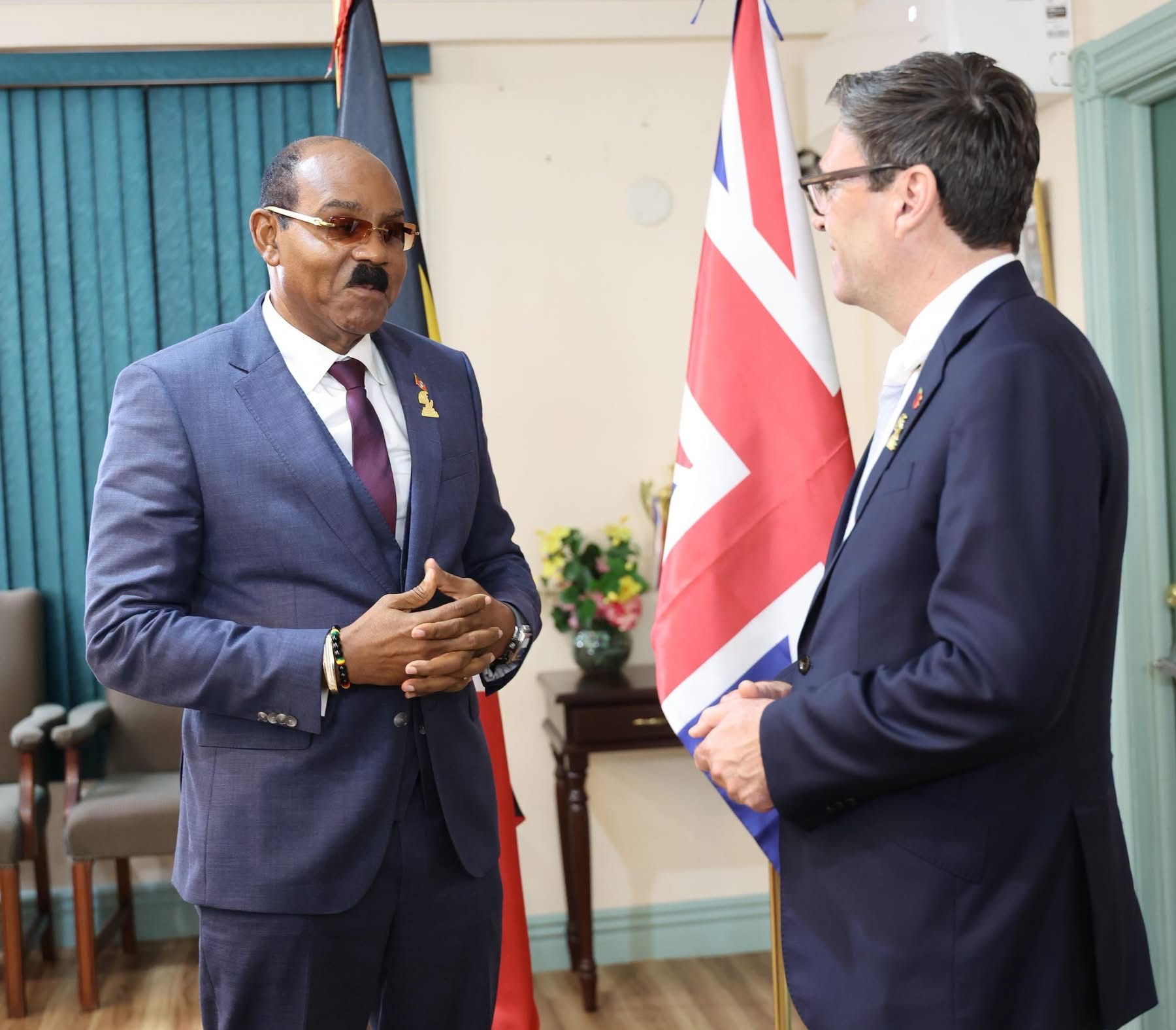
In a wide-ranging exclusive interview with ITV News ahead of the highly anticipated Commonwealth Heads of Government Meeting hosted by Antigua and Barbuda, Prime Minister Gaston Browne laid out a pragmatic, collaborative path forward for longstanding Caribbean demands for reparations tied to the transatlantic slave trade and centuries of colonial exploitation, emphasizing that regional leaders will tailor their proposals to account for the United Kingdom’s current domestic fiscal pressures. Rejecting framing that positions Caribbean nations as making unfeasible, exorbitant financial claims, Browne stressed the negotiating position is rooted in mutual fairness and a clear-eyed recognition of the UK’s existing economic challenges, including stretched public service budgets and cost-of-living strains facing ordinary British households. “We are not traveling to the UK to put forward demands that its government and people cannot reasonably afford,” Browne clarified. At the core of his proposal is a targeted reallocation of a portion of the UK’s existing Official Development Assistance budget, rather than calls for entirely new, unbudgeted public spending, to fund long-term, systemic development programs across Caribbean nations grappling with deep structural underdevelopment that Browne traces directly to centuries of colonial wealth extraction. The prime minister noted that the funding stream does not even need to be formally labeled as reparations, as long as it delivers tangible, sustained investment to address gaps in infrastructure, education, economic resilience and social services left in the wake of British colonial rule. He added that targeted debt restructuring for Caribbean sovereign debt could also form a core component of a holistic restitution package, while openly acknowledging that deep disagreements remain between Caribbean states and the UK government over the broader principle of formal compensation. Browne pushed back against the common UK political argument that current generations of British citizens bear no responsibility for harms committed centuries ago, pointing out that vast accumulated wealth generated by the enslavement of African people and the extraction of Caribbean resources was deployed to build foundational European and North American assets, from world-leading universities to core national infrastructure, that continue to deliver economic benefits to present-day populations. “You cannot hold onto all the intergenerational benefits derived from that exploitative system, and then refuse to share any of the corresponding burden of addressing its ongoing harms,” he argued. Browne also framed formal restitution as a critical accountability mechanism that creates a global deterrent against future state-sponsored mass atrocities, rejecting the idea that historical harms should be erased from collective responsibility simply because the generation that perpetrated them is no longer alive. While he welcomed recent signals from UK Prime Minister Andy Burnham that his administration is open to negotiating a formal public apology for Britain’s central role in the transatlantic slave trade, Browne noted that lingering domestic political hurdles to formal compensation do not erase the moral and practical case for reparative action. He set realistic expectations for the upcoming Commonwealth summit, stating that he does not anticipate a final, binding agreement on the full reparations framework during the gathering, but will push for the establishment of a structured, inclusive formal negotiation process with clear, reasonable timelines to guide both sides toward common ground. Crucially, Browne emphasized that the entire negotiating process will be conducted in a spirit of mutual respect, with no underlying bitterness or animosity toward the British public. “While I state our position firmly and unapologetically, there is no anger, no resentment driving this conversation. It is a practical, fair-minded effort to address historical harms for the mutual benefit of all Commonwealth nations,” he said.