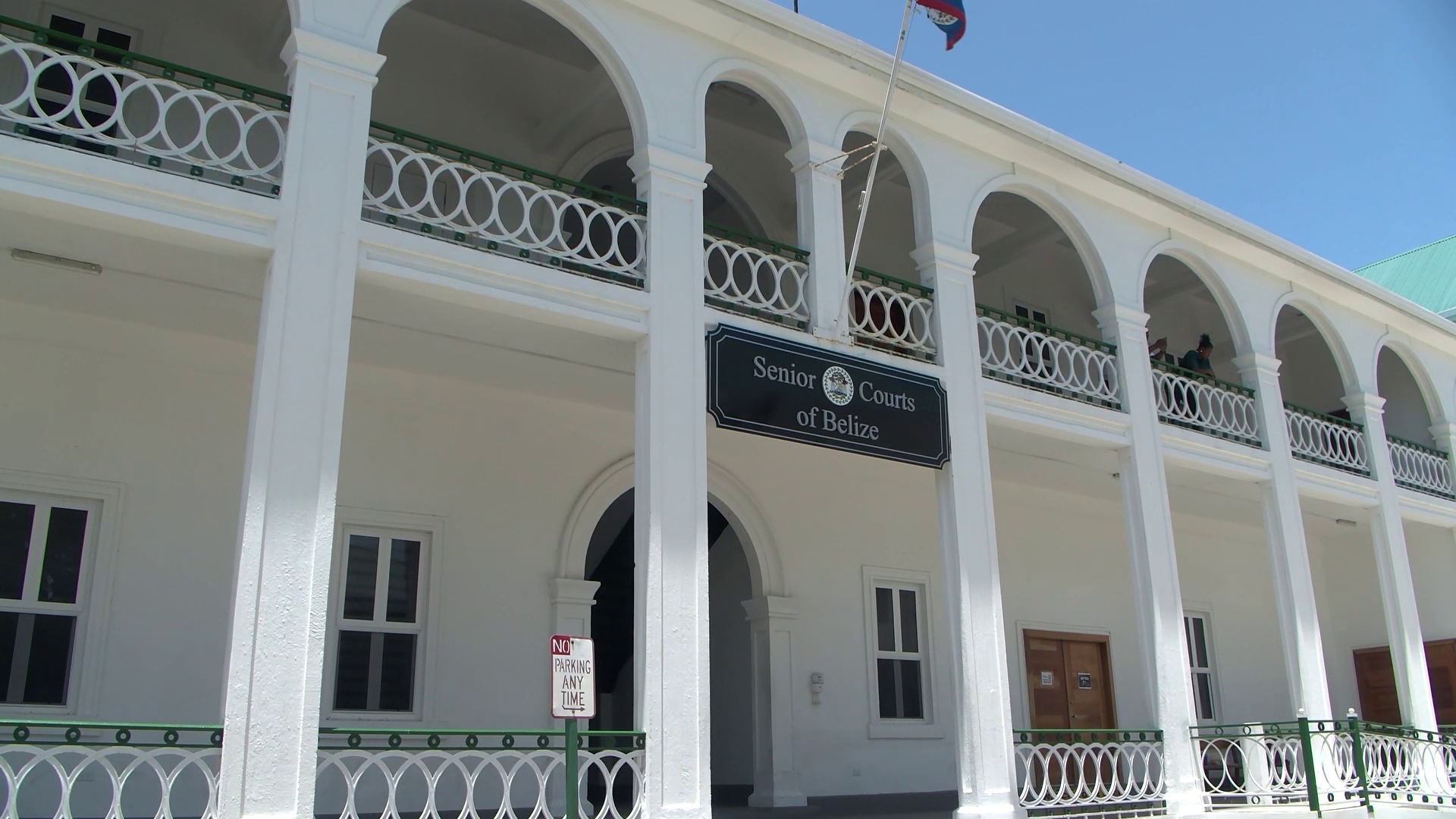
More than a year after the devastating 2025 domestic violence incident that claimed the lives of Angelita Magaña and her 6-year-old son, Belizean officials have formally rolled out a groundbreaking after-hours emergency protection framework to close a long-fatal gap in the country’s gender-based violence response. The new system, enacted via amendments to the Domestic Violence Act, empowers 18 specially vetted and trained Senior Justices of the Peace to issue binding interim protection orders outside of regular court operating hours, including weekends, public holidays, and overnight periods when magistrates’ offices are typically inaccessible. The reform was directly spurred by the October 2025 tragedy in San Felipe Village, Orange Walk, where Magaña approached a local court on a Friday to request a restraining order against her former common-law partner Francisco Godoy, who had issued repeated death threats against her. Court staff informed her she would need to return the following Monday to process the order, but before that deadline, Godoy set fire to Magaña’s family home while the occupants were inside. The blaze killed Magaña and her young son, while her teenage daughter Shadia sustained life-altering burn injuries that required weeks of hospital care; Godoy later died from wounds sustained in the incident. The harrowing case laid bare a systemic flaw that had left thousands of domestic violence survivors stranded without legal recourse during off-hours, a gap that Human Development, Family Support and Gender Affairs Minister Thea Garcia-Ramirez witnessed firsthand during her visit to the village in the aftermath of the fire. Garcia-Ramirez recalled the searing memory of encountering Magaña’s grieving mother standing beside three coffins, an image she described as permanently etched into her memory that galvanized the government to move beyond symbolic advocacy for gender-based violence survivors. In December 2025, members of the Briceño administration wore orange in the House of Representatives as part of the global 16 Days of Activism against Gender-Based Violence campaign, but paired that public show of solidarity with targeted legislative changes to update the Domestic Violence Act. The new law granted select Senior JPs magistrate-level authority to issue emergency protection orders, but implementation was delayed while officials developed a rigorous specialized training curriculum for the appointees, designed to equip them to manage the full scope of urgent domestic violence casework. The multi-stakeholder training, which launched in June 2026, included participation from senior JPs, frontline police officers, and social work practitioners. Of the nearly 30 candidates who completed the program, only 18 met the strict eligibility requirements, including a minimum of five years of prior experience serving as a Justice of the Peace. The group was formally sworn in at a ceremony at the Belize City Family Court on October 30, 2026. Select Senior JP Adrian Madrid, one of the newly appointed officials, noted that domestic violence incidents see a sharp documented spike during holiday periods and long weekends, when alcohol consumption and family gatherings often escalate into abuse, leaving survivors with no formal legal pathway to request protection. The on-call roster for the new system activates at 5 p.m. every Friday and remains in effect until courts reopen for regular business the following week, with additional 24/7 coverage across all public holidays. The emergency protection orders issued by the JPs are valid for up to 72 hours, giving survivors immediate safety while they prepare to file for full restraining orders once regular court services resume. To ensure the safety of both survivors and the JPs themselves, all applications for after-hours protection must be processed through official designated police stations, rather than private residences or informal locations. Madrid explained that conducting all interviews and paperwork at police precincts reduces the risk of retaliation from abusers, who may follow survivors to private locations to continue threatening them. The 18 inaugural appointees are strategically stationed across all of Belize’s administrative districts to ensure geographic access for rural and urban survivors alike, and officials have confirmed the program will expand in the coming months as more eligible Senior JPs complete the mandatory specialized training. In a public advisory, Minister Garcia-Ramirez urged any survivor facing imminent domestic violence threats outside of regular court hours to immediately report to their nearest local police station to access the new after-hours support system, emphasizing that no survivor in urgent danger should ever be told to wait for court to reopen again.