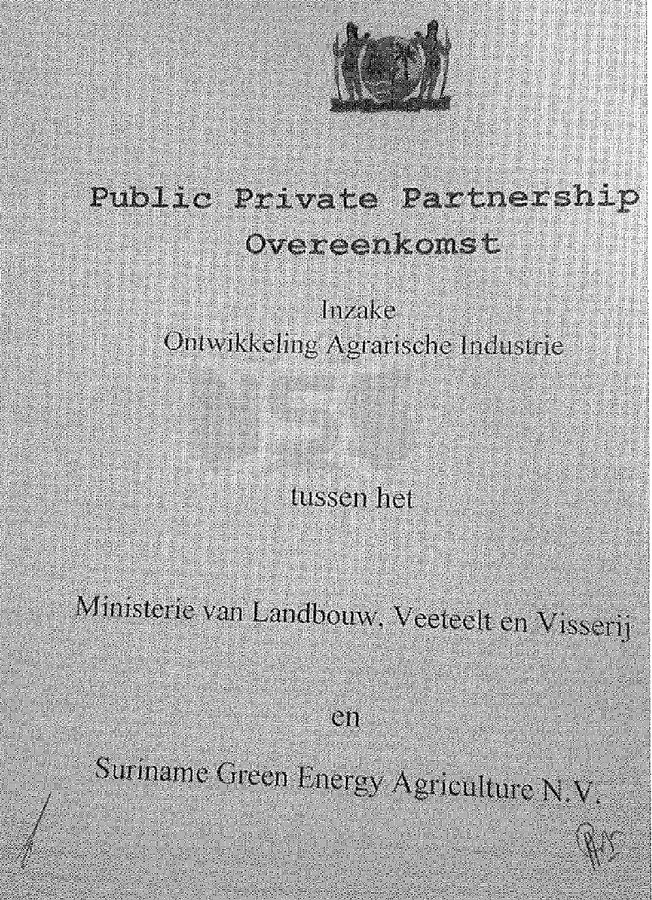
On November 1, local time, Suriname’s ongoing multi-year dispute over a foreign-led agricultural development project in the Mazonia region reached a dramatic turning point, as authorities quietly deported nearly 60 Mennonite migrants just days before a scheduled second summary court hearing that was meant to rule on their temporary stay requests. The chain of events stretches back to October 2022, when then-Foreign Affairs Minister Albert Ramdin granted conditional approval for 50 Mennonite families to enter Suriname over a three-year window to pursue agricultural activities, explicitly stipulating that all participants must comply with national immigration rules, secure separate valid residence permits, and obtain independent land use and operational approvals for their farming work. At that stage, the government framed the arrival of the experienced foreign farmers as a potential boost to domestic food security, but made it clear that no automatic land ownership rights or long-term residency guarantees would be extended to the group. Fast forward to January 2024, during a parliamentary budget debate, three sitting ministers including then-Agriculture Minister Parmanand Sewdien, Land Policy Minister Dinotha Vorswijk, and Ramdin publicly testified to the National Assembly that no state-owned land had been formally allocated to the Mennonite community, with Ramdin adding that the 2022 entry approval had not even been acted on at that point, and that the families would need to rent or purchase eligible agricultural land on the open market if they chose to enter the country. Just eight months after that parliamentary testimony, however, Sewdien’s Ministry of Agriculture, Livestock and Fisheries (LVV) signed a 40-year renewable public-private partnership agreement with Suriname Green Energy Agriculture NV, the private firm representing the Mennonite farming group. The landmark deal laid out plans for large-scale agricultural production, food processing facilities, and associated agribusiness development, with stated goals of creating local jobs, reducing national reliance on food imports, and driving rural economic growth, and included binding requirements that at least 10% of the allocated project land be brought into active cultivation each year. The project quickly ran into systemic administrative hurdles, as its execution required coordinated approvals from a patchwork of independent government bodies: the National Environment Authority was tasked with conducting environmental impact assessments, immigration authorities were responsible for vetting residence permit applications, and the land policy ministry had to sign off on land use transfers, creating fragmented oversight where no single agency had full visibility into the project’s overall compliance status. In January 2026, the newly reorganized LVV under Minister Mike Noersalim first notified Suriname Green Energy Agriculture NV that it intended to terminate the partnership, claiming the firm had failed to meet core contractual obligations, before walking back that full termination notice in September 2026 and indicating it was open to reviving the collaboration if all outstanding regulatory requirements were fulfilled. That apparent shift in the agriculture ministry’s position did not align with enforcement actions from other state bodies, however, and by October 2026, authorities moved to evacuate the Mennonite families from the Mazonia site, relocating them to a temporary holding facility in the Para district’s Kraka area. The private firm first filed an urgent summary court motion to block the eviction and deportation, arguing that the Mennonite farmers were essential to fulfilling the terms of the 40-year public-private partnership, but Cantonal Judge Deborah Haakmat-Sniphout dismissed the claim, ruling that the company’s economic interests did not override the state’s legal mandate to enforce immigration laws, as none of the Mennonite residents held valid, current residence permits at the time. The judge’s ruling did not explicitly order mass deportation, but it rejected the firm’s request to bar state immigration enforcement actions, making a clear legal distinction between the validity of the public-private agricultural partnership and the separate individual immigration status of the foreign workers involved. Following that first loss, the Mennonite families filed their own second summary court application, represented by prominent local attorney Derrick Veira, who argued that the group had relied on the 2022 government entry approval when relocating to Suriname, that they had submitted formal short-term residence authorization applications, and that a pending appeal of a prior rejection of their status claims was under active review by the Surinamese President, with the President’s office having formally acknowledged receipt of that appeal. Veira invoked Article 34 of Suriname’s 1991 Aliens Act, which stipulates that deportation proceedings must be suspended while a final ruling on a presidential residency appeal is pending. Despite the scheduled second court hearing set for November 2, authorities carried out the quiet deportation of nearly 60 members of the group, including three infants, via a chartered flight over the weekend before the hearing could take place. Veira has publicly condemned the move as a violation of national immigration law, noting that he received no advance notice of the deportation operation, and has confirmed he will appear in court on the scheduled date with an adjusted, revised legal claim to address the new post-deportation circumstances. While the deportation operation has been completed, a series of unresolved administrative accountability questions remain unaddressed: no public explanation has been provided for why the 2024 long-term agricultural partnership was signed months after ministers testified no land would be allocated to the Mennonite group, how cross-agency oversight of the project’s permit compliance gaps broke down, and whether the state properly followed legal requirements to pause deportation while the presidential residency appeal remained under review. Legal analysts note that the case sets a significant precedent for Suriname’s handling of foreign-led agricultural investment, as it clarifies that public-private partnership agreements can never serve as a substitute for valid individual immigration documentation, even when a project is framed as a high-priority public benefit initiative.
Van welkom tot uitzetting – hoe het mennonietenproject vastliep tussen overheidsbesluiten