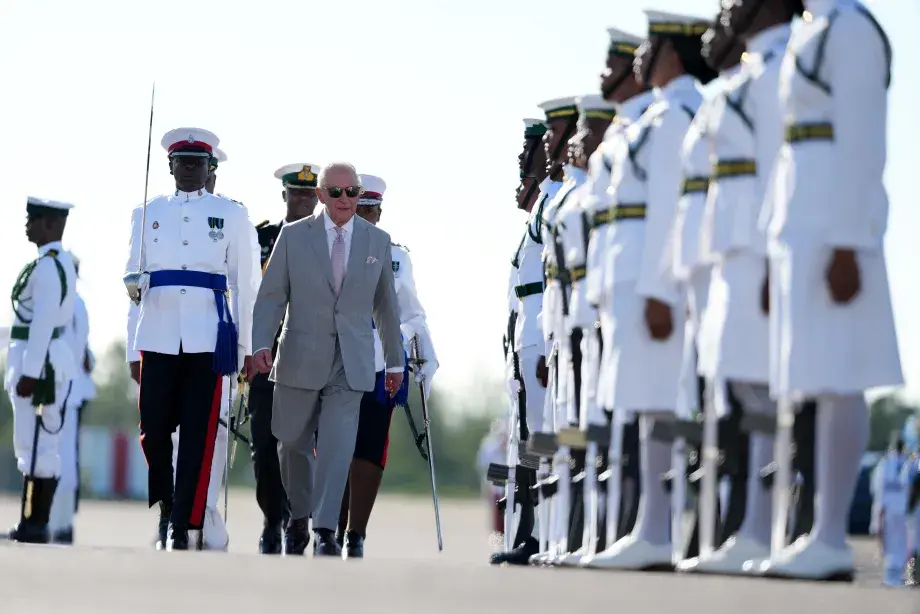
As King Charles III embarks on a regional Caribbean tour in the lead-up to the 2026 Commonwealth Heads of Government Meeting (CHOGM) hosted by Antigua and Barbuda next month, a leading Caribbean reparations advocate has issued a direct, personal appeal to the monarch to take a public leadership role in addressing the enduring harms of the transatlantic chattel slave trade and centuries of British colonial rule. Sir Hilary Beckles, chair of the CARICOM Reparations Commission, framed his request not as a formal demand to the British head of state or the symbolic head of the Commonwealth, but as a plea to Charles Windsor the private citizen, a father and grandfather with a personal familial lineage tied to the institutions that perpetuated mass enslavement across the Caribbean.
In public remarks, Beckles emphasized that the Commonwealth as an institution is historically rooted in the system of chattel enslavement that inflicted what he described as the gravest human rights crime of the modern era. He argued that the intergovernmental bloc, which unites 56 nations with historic ties to the former British Empire, could reposition itself as a global moral leader on human justice by centering reparatory action for descendant communities across the Caribbean, African Union member states, and other nations that suffered under colonial exploitation.
The appeal has drawn cross-regional support: Eric Phillips, representative of the Guyana Reparations Committee, noted that King Charles’ long-documented public advocacy for environmental stewardship positions him as an enlightened, values-driven leader who can foster respectful, constructive dialogue on reparatory justice. “The King has spent decades treating the natural world as a sacred trust, and people of African descent whose communities were devastated by colonial violence are an inextricable part of that sacred community,” Phillips stated.
Grassroots momentum for the cause is already visible across the monarch’s regional itinerary: during his first stop in The Bahamas on Tuesday, a group of local Rastafarian activists held a peaceful demonstration to demand formal restitution and redress for colonial harms. King Charles is scheduled to travel to Guyana for an official visit from October 29 to 30, immediately preceding the formal CHOGM proceedings running November 1 through 4.
Guyanese President Irfaan Ali has publicly outlined a formal policy framework for structural reparations, which aligns closely with the CARICOM Reparations Commission’s established 10-point action plan: the proposal prioritizes a full, unreserved formal apology from the British government, targeted development financing, broad debt relief for Caribbean nations, and sustained public investment in underfunded local health and education systems to redress persistent structural economic inequalities that reparations advocates argue are direct legacies of enslavement and colonial dispossession. To date, the official British government has repeatedly rejected all formal demands for a state apology or targeted reparations payments linked to the transatlantic slave trade.