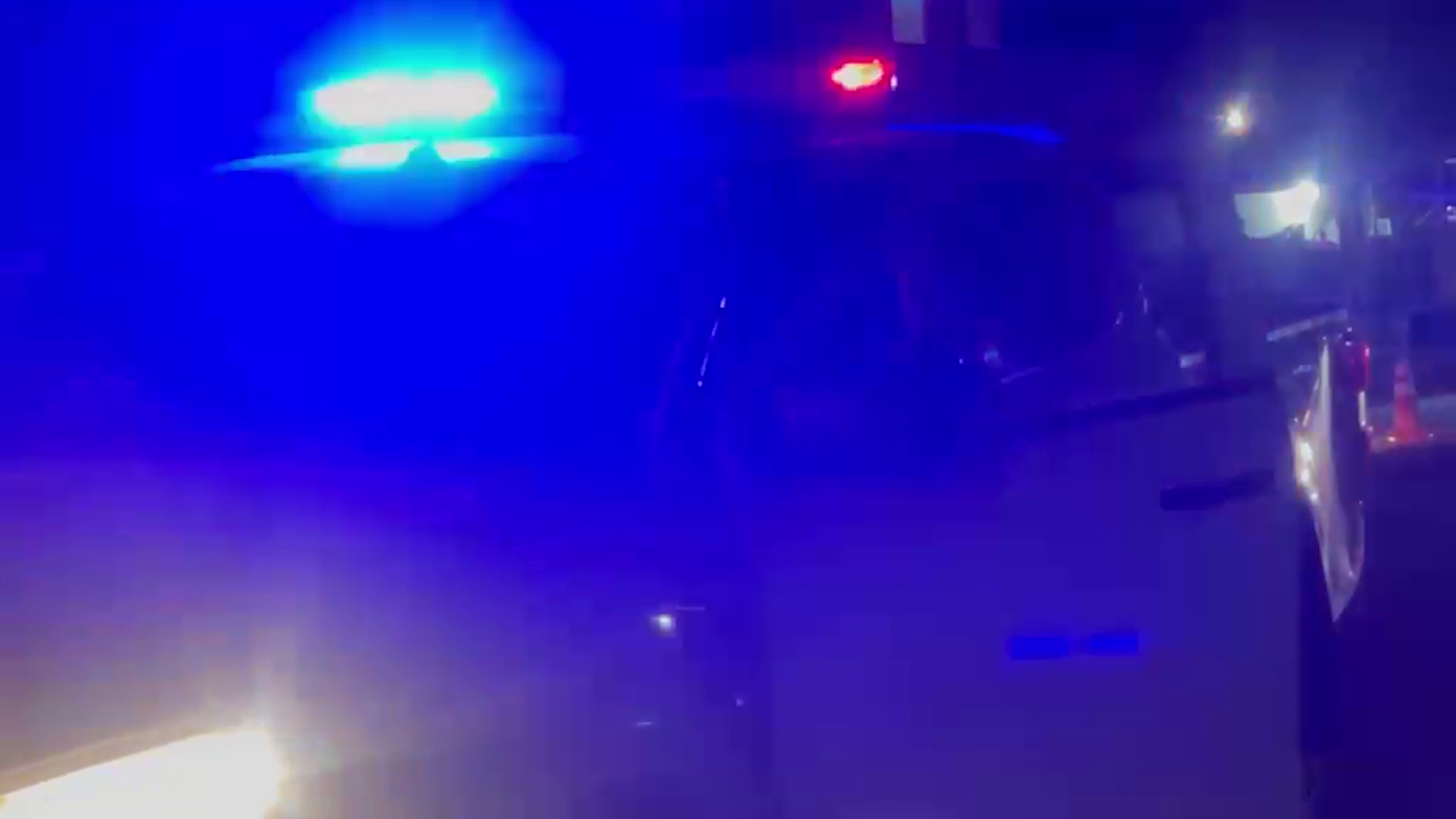
On October 28, 2026, local law enforcement leadership in Belize has formally clarified a recently launched, highly visible night patrol initiative that has caught the attention of commuters across Belize City. For weeks, residents traversing city neighborhoods after dark have spotted marked police cruisers traversing residential and commercial corridors with their overhead revolving lights activated, even in the absence of an active emergency callout. The program is a core component of a new community-centered crime reduction strategy rolled out under the oversight of Minister of National Security Michel Chebat, designed to boost uniformed police presence in high-foot-traffic areas, reassure local residents of public safety, and create a tangible deterrent for would-be criminal activity. The concept for the patrol framework was first raised by community members during public consultation sessions held in the Cayo district, where residents repeatedly requested more regular, noticeable law enforcement visibility after dark to reduce petty theft and anti-social behavior. The rollout has, however, sparked widespread confusion among local motorists, who have long followed the standard road rule to pull over immediately any time they spot a police vehicle with activated flashing lights. To eliminate this uncertainty, ASP Stacy Smith, a senior staff officer with the Belize Police Department, released clear public guidance distinguishing the new visibility patrols from active emergency response deployments. “We are asking all members of the public to stay observant when they encounter a police vehicle with flashing lights after dark,” Smith explained during a recent media briefing. “If the patrol unit is moving at a regular traffic speed, no siren is blaring, and no horn is being sounded, there is no active emergency underway. This is simply our team making their presence known in the community, and residents can continue their normal lawful travel without pulling over. The only time motorists are required to yield the right of way is when they see activated flashing lights paired with a sounding siren or repeated horn blasts, which signals the unit is responding to an urgent incident and needs clear passage to reach the scene.” Local government officials note the program is already showing early positive feedback from residents in neighborhoods that previously reported feeling unsafe walking or driving after dark, with additional patrol shifts scheduled to expand to adjacent suburban zones in the coming weeks. This news report is adapted from a transcript of the outlet’s evening television newscast, with all remarks originally delivered in Kriol transcribed using a standardized, accessible spelling system for full clarity for all online readers.