Nassau, The Bahamas – King Charles III has landed in The Bahamas this week for his first official royal tour of the Caribbean nation since ascending the British throne in 2022, marking only his second ever official visit to the archipelago after his 1973 trip as a 24-year-old Prince of Wales, when he represented his mother Queen Elizabeth II at the country’s independence ceremonies. The monarch is travelling solo for the opening leg of the tour, with Queen Camilla scheduled to join him at a later stage of his regional travel itinerary.
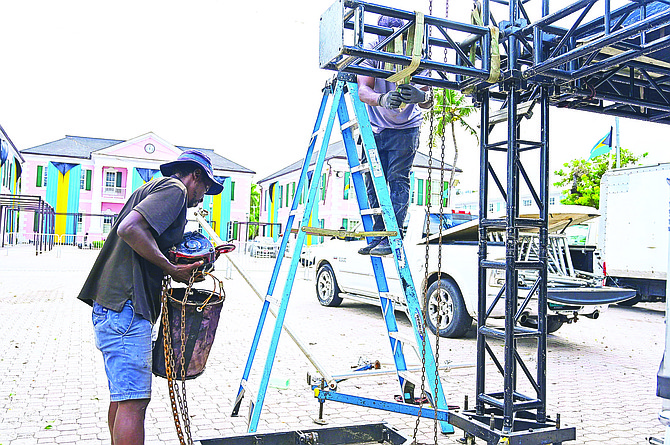
Municipal crews and event organisers worked through the final hours ahead of the King’s arrival to wrap up last-minute infrastructure upgrades and site preparations across New Providence, as local law enforcement rolled out a sweeping, multi-day traffic management plan that includes temporary road closures, restricted parking zones, and carefully routed royal convoys to ensure the smooth progress of the packed public engagement schedule. Superintendent Coran Jennings of the Royal Bahamas Police Force Traffic Division issued a public advisory clarifying that most route closures will only be enforced for the short window when the royal motorcade is passing through, with roads reopened to general traffic as soon as the King arrives safely at his scheduled destination, save for immediate perimeters around event venues that will remain secured for the duration of his visit. Motorists have been notified to expect intermittent travel disruptions across New Providence through the full three days of the King’s stay, with phased closures in effect for major thoroughfares including Windsor Field Road, JFK Drive, West Bay Street, Bay Street, and Paradise Island Drive, plus a full parking ban in all zones adjacent to Clifford Park that went into effect at midnight to prevent obstruction of the royal procession.
The King’s official agenda opens with a formal welcome ceremony at Lynden Pindling International Airport, followed by a youth rally at Clifford Park – the very same public green space he visited 51 years ago for independence celebrations. The public rally will feature performances from 300 young local participants, including a marching band, the National Youth Choir, the Bahamas National Children’s Choir, and pop music groups drawn from communities across New Providence and the remote Family Islands. On the second day of his visit, the monarch will tour the Royal Bahamas Defence Force base at Coral Harbour, where he will inspect a new disaster response vessel and lay tributes at the HMBS Flamingo memorial honouring fallen service members. He will also tour Bonefish Pond National Park to review ongoing mangrove restoration projects and coastal resilience initiatives designed to protect low-lying Bahamian communities from rising sea levels and extreme storm events, before attending a youth-focused sporting event. The afternoon will bring a stop at a government-organised cultural festival spanning Parliament Square and Rawson Square, where the King will meet local artisans, straw craft vendors, and traditional craftspeople, followed by a vibrant Junkanoo rush-out parade along Bay Street, accompanied by live local bands, traditional Bahamian musical performances, and pop-up stalls serving iconic national cuisine. The Ministry of Culture, Arts and Heritage has encouraged all members of the public planning to attend the free festival to arrive early, as the downtown Nassau core is expected to see record high foot traffic throughout the day.
The King’s official programme will conclude with private audiences with Governor General Dame Cynthia Pratt and Prime Minister Philip “Brave” Davis, followed by a formal garden reception at Government House before his scheduled departure on Thursday. Following his time in The Bahamas, the monarch will proceed to Guyana for a full state visit, then travel onward to Antigua and Barbuda to attend the Commonwealth Heads of Government Meeting running November 1 through 4.
The high-profile royal tour has sparked a range of local conversations and public debates across The Bahamas. Killarney Member of Parliament Michela Barnett-Ellis publicly criticised the timing of last-minute road repairs across New Providence last week, questioning why long-overdue infrastructure upgrades were only fast-tracked in the lead-up to the royal visit, though Minister of Works and Family Island Affairs Clay Sweeting pushed back on the criticism, confirming that all planned repaving work including the resurfacing of Shirley Street was scheduled months in advance and unrelated to the royal tour. Finance Minister Michael Halkitis also confirmed that final cost calculations for the visit are still being compiled by multiple government agencies, with expenses set to be split between local public funds and the British Sovereign Grant, the taxpayer-funded allowance allocated to support the monarch’s official public duties.
Most notably, the tour has reignited long-running national conversations about The Bahamas’ potential transition to becoming a fully independent republic, severing formal ties to the British monarchy as its head of state. The Bahamas National Reparations Committee has issued a formal public demand for King Charles to offer a full, unreserved apology for the British Empire’s role in the transatlantic slave trade and centuries of colonial exploitation of Bahamian communities. A Rastafari advocacy group affiliated with the Ethiopia Africa Black International Congress, led by High Priest Richmond McKinney who holds the ceremonial title of Royal Ambassador, has announced plans to stage a peaceful public demonstration during the visit to deliver a formal petition calling for a formal apology and tangible reparations for descendants of enslaved people across the nation. Officials at Buckingham Palace have confirmed that the King will address Britain’s historic role in the slave trade during his regional tour, but will not issue a formal official apology on behalf of the British government.