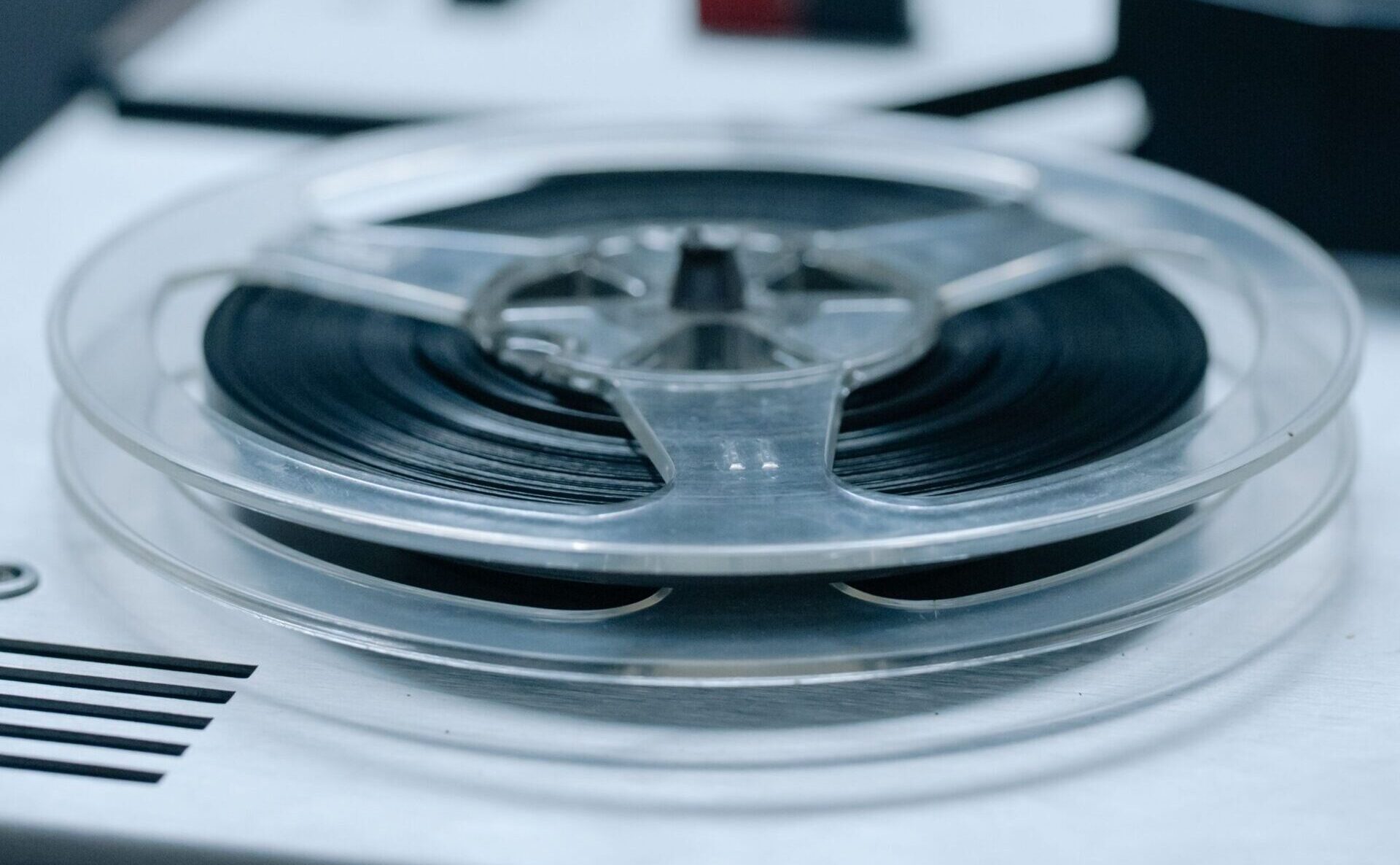
Have you ever stumbled on a grainy decades-old newsreel, a crackling vintage folk music recording, or a long-forgotten political speech from a distant era, and felt an immediate, visceral link to moments you never personally witnessed? That intangible, deeply resonant connection is the unmatched power of global audiovisual heritage. While these time-stamped recordings often spark warm, reflective nostalgia, they face a silent, accelerating crisis of erasure every single day: physical degradation of fragile tape stock, years of institutional neglect, and rapid technological obsolescence that renders legacy playback equipment nearly impossible to source, putting countless one-of-a-kind recordings at permanent risk of being lost forever.
Protecting these vulnerable audiovisual assets is far more than a niche archival project: it is a critical mission to preserve unfiltered human history, distinct cultural identities, and shared collective memory. Unlike written historical accounts that can carry layers of editorial bias, audiovisual materials capture the unscripted voices, ambient sounds, and unaltered visual context of past events, holding irreplaceable treasures including endangered Indigenous languages, rare community oral histories, localized folk performance traditions, and unique grassroots artistic expressions that would otherwise vanish without a trace.
To galvanize global action on this urgent issue, UNESCO formally designated October 27 as the World Day for Audiovisual Heritage (WDAH) during its 33rd General Conference held in Paris, France, back in 2005. Co-led by UNESCO and the Coordinating Council of Audiovisual Archives Associations (CCAAA), this annual global observance is designed to draw widespread public attention to the pressing need to safeguard at-risk films, analog video tapes, audio recordings, and vulnerable digital media collections across every continent. These archival collections curate the unfiltered life stories and cultural narratives of communities worldwide, forming an irreplaceable body of heritage that anchors our shared collective memory and serves as an unmatched, firsthand source of historical and cultural knowledge.
The 2026 WDAH theme, “Your Window to the World”, perfectly encapsulates the core purpose of these media archives: audio and video recordings act as literal, immersive windows that open viewers and listeners to underrepresented cultures, little-documented historical moments, and marginalized community identities. They break down geographic barriers across continents and bridge generational divides, fostering meaningful, empathetic global dialogue rooted in mutual understanding. When these archives are lost to decay or neglect, the world does not simply discard a pile of old tapes — it seals shut a permanent window to our shared past.
Supporting this long-term preservation work is UNESCO’s Memory of the World (MoW) Programme, first launched in 1992 as a global initiative dedicated to protecting and perpetuating humanity’s most valuable documentary heritage. The programme maintains tiered international, regional (including the dedicated MoWLAC framework for Latin America and the Caribbean), and national registers to elevate public recognition of documentary holdings of global, regional, or local cultural significance. In 2026, the MoW Programme rolled out a slate of targeted projects focused on endangered at-risk collections, most notably a large-scale effort to preserve and digitize roughly 45,000 analog tape recordings held by Radio Mogadishu. This project highlights the outsized cultural value of audiovisual archives to Somalia’s national history and identity: the tapes hold everyday civilian stories, long-unseen local news segments, historic political speeches, beloved entertainment programming, and generations of local music that form the very backbone of the nation’s cultural DNA, all now being secured for future generations.
WDAH also serves as an annual tribute to the often uncelebrated archival professionals and cultural institutions that work tirelessly behind the scenes to protect this fragile heritage. Each year, audiovisual archives across the globe host public events to showcase the fragility of their collections, raise public awareness of their underfunded, underrecognized work, and advocate for long-term policies to ensure permanent public access to these holdings. A growing push among cultural advocates also calls for integrating WDAH themes into national K-12 curricula, embedding lessons on media preservation, local cultural history, and digital literacy across core academic subjects. Proposed learning activities include teaching students to apply the same critical analysis frameworks used for written texts to evaluate audiovisual materials such as historic speeches, documentaries, and vintage news reports, as well as giving students hands-on access to preserved traditional music, folk song, and archival theater recordings from national collections to encourage creative reinterpretation and performance.
As former UNESCO Director-General Irina Bokova once noted, these audiovisual archives act as uniquely powerful storytellers, carrying personal testimonies, intergenerational memory, shared knowledge, and creative ideas in vivid, deeply human ways that lay the foundation for greater cross-generational, cross-community, and cross-national understanding and dialogue. This piece is contributed by Wayne Campbell, an educator and social commentator whose work centers on development policy and its intersections with cultural preservation and gender equity.
All views and claims expressed in this article belong solely to the author.