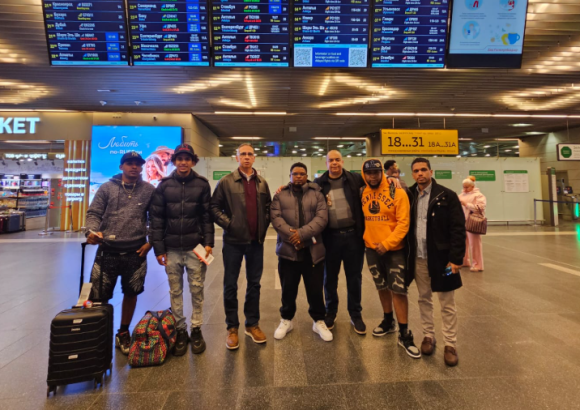
Santo Domingo – The Dominican Republic’s Ministry of Foreign Affairs, known locally by its Spanish acronym MIREX, has completed a full diplomatic operation to safely bring four of its citizens home after the group traveled to Russia with the initial intention of enlisting in the Russian Armed Forces, before reversing that decision shortly after their arrival. The four Dominican nationals reached out directly to their country’s embassy stationed in Russia on October 23, laying out their full circumstances to consular staff and formally notifying officials that they no longer wished to sign enlistment contracts with the Russian Ministry of Defense. Following coordinated communication between Dominican diplomatic representatives and Russian military oversight bodies, the four individuals were granted safe passage and provided with pre-arranged air travel to Moscow, where on-site MIREX consular teams were waiting to meet them. Staff at the embassy immediately arranged temporary food, secure accommodation and all necessary logistical support to ensure the group faced no unforeseen hurdles while they awaited their return flights. The entire repatriation process was executed under the direct oversight of Dominican Foreign Minister Víctor “Ito” Bisonó, with close day-to-day coordination led by Vice Minister of Consular and Migration Affairs Opinio Díaz, as MIREX covered the full cost of the four return commercial tickets bound for the Dominican Republic. MIREX confirmed in its official public statement that at no point during the entire sequence of events were the four citizens placed in any high-risk scenarios, and their personal safety, physical integrity and legal rights were fully protected at every stage of the operation. A spokesperson for the foreign ministry noted that this targeted consular assistance falls under the Dominican government’s longstanding official mandate to extend full support to all its nationals traveling or residing overseas, with extra priority given to citizens who find themselves in vulnerable, unplanned situations that require formal diplomatic intervention.
MIREX facilitates safe return of four Dominicans who left Russia after rejecting military contracts