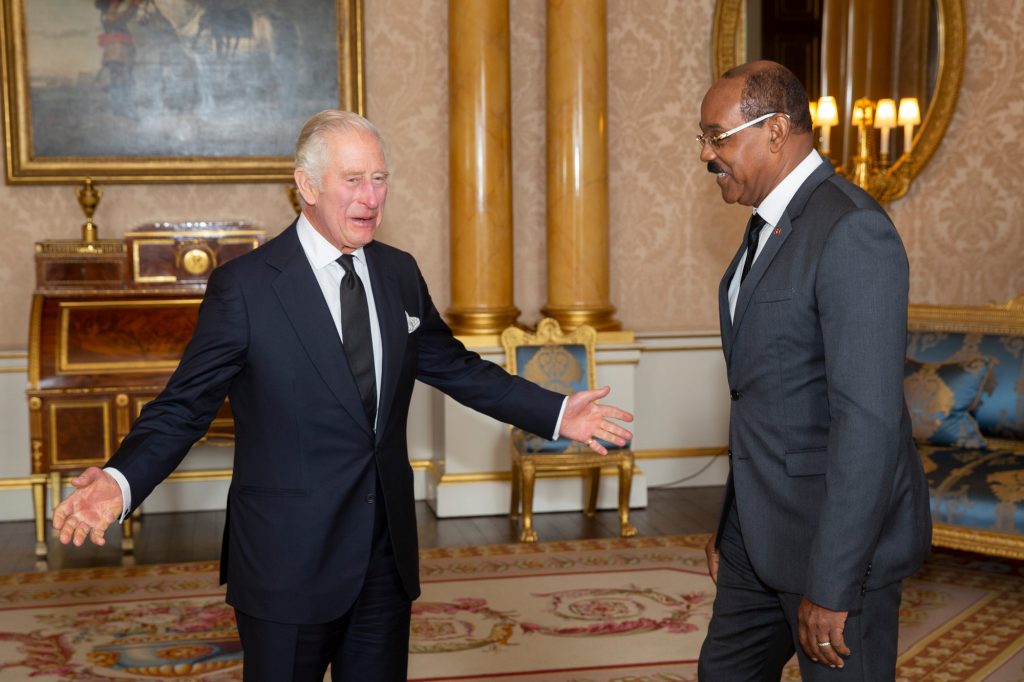
A concerned long-time citizen of a formerly independent Commonwealth nation has published a fiery public letter decrying what they describe as an unprecedented mobilization of public funds, administrative labor, and national resources to welcome the sitting head of the British monarchy, an institution with well-documented ties to the transatlantic chattel enslavement of the letter writer’s ancestors. The author notes that the royal figure slated to arrive on state visit recently made public remarks explicitly refusing to issue a formal apology for the monarchy’s historical complicity in the slave trade, a detail that the correspondent frames as making the massive, coordinated welcome effort particularly galling. Drawing on decades of personal experience spanning multiple national administrations, high-stakes general elections, and major natural disaster response operations, the letter writer emphasizes that no prior national mobilization effort in their memory has come close to matching the scale of preparation underway for the royal tour. They contextualize this frustration by pointing out that 50 of the 56 member states of the Commonwealth were once under British colonial rule, with millions of citizens across those nations sharing a brutal intergenerational legacy of chattel slavery that saw their ancestors stripped of legal personhood, exploited for uncompensated labor, separated from their families at slave traders’ whims, and systematically dehumanized for the sole purpose of generating wealth for the British imperial project. The author argues that the current global moment, marked by shifting geopolitical alliances and nations re-evaluating their core national interests, demands a deliberate reckoning with what the country’s posture toward the British monarchy actually signals to its own people. They push back against the idea that the symbolic weight of a royal crown should erase the material harms of colonial and slave-era history, warning citizens not to conflate basic diplomatic courtesy for a visiting individual with uncritical reverence for an institution built on centuries of exploitation. The letter stresses that in contexts where massive, well-documented historical harm has never been followed by meaningful redress, public accountability for past atrocities must take priority over costly ceremonial pageantry. Beyond frustration with the direct public spending allocated to the visit, the author’s core grievance centers on the revealing contradiction of the national response: state institutions have demonstrated they can rapidly coordinate resources, repair public infrastructure, and align cross-agency efforts to spruce up communities for a visiting royal, yet the long-running, unaddressed campaign for reparations and formal recognition for the descendants of enslaved people remains a low priority in mainstream public discourse. The correspondent concludes by arguing that true national independence extends far beyond the legal right to hold domestic elections and pass local legislation; it requires the collective confidence to confront painful national history without embarrassment, and to chart a sovereign future without seeking validation from the former imperial power that once ruled over the population. The letter closes with a rousing call to action: if the nation can marshal the collective national will to execute a seamless, polished royal visit, that same level of coordinated effort must be redirected to launch formal, sustained national conversations about historical accountability, reparative justice, and the ongoing structural impacts of chattel slavery on modern communities. The author notes that current and future generations deserve far more than temporary cosmetic upgrades for a visiting dignitary, and that the nation’s independence will never reach its full potential until it treats the legacy of slavery with the same level of seriousness it reserves for royal ceremonial events.