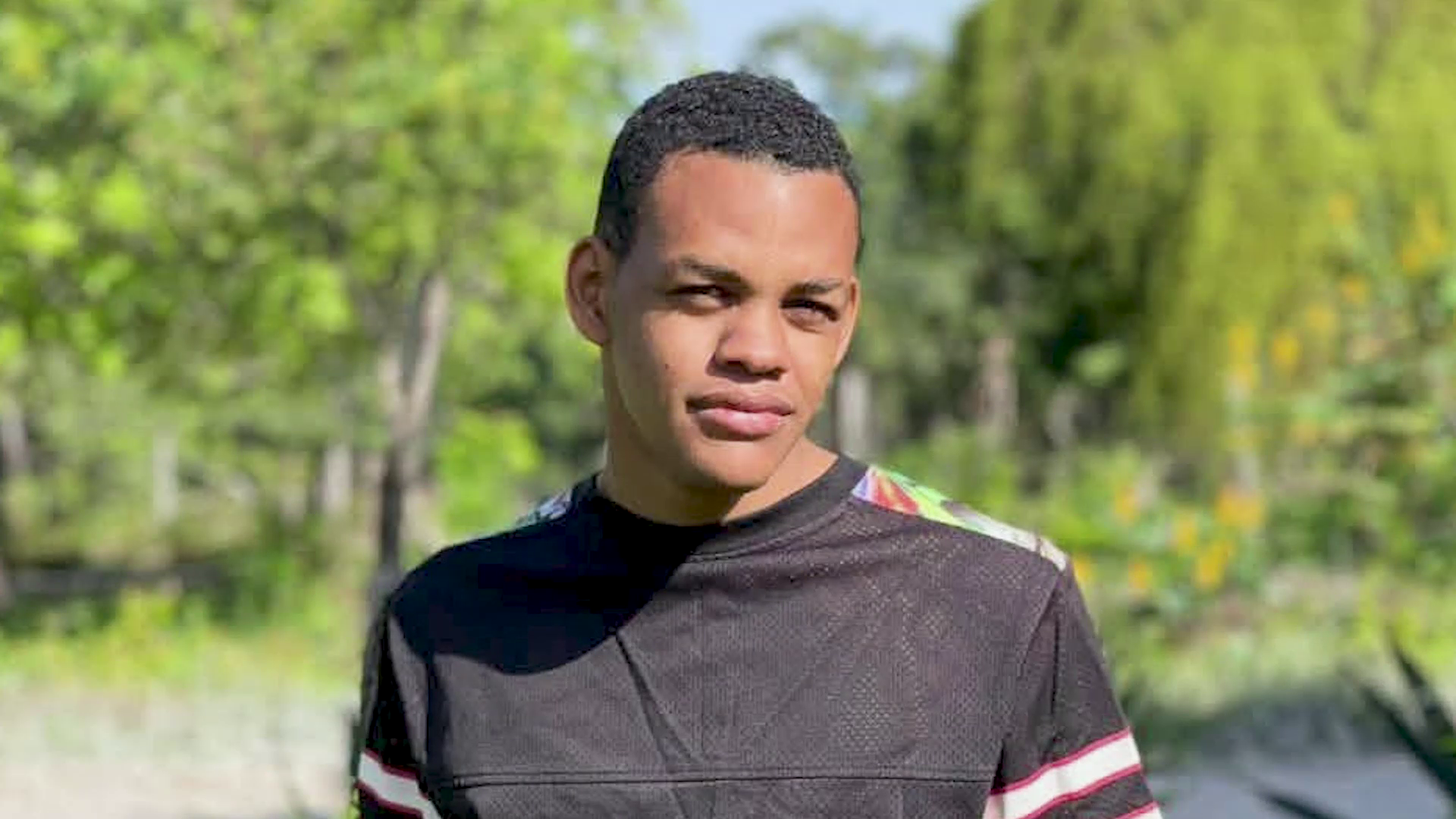
On October 23, 2026, the untimely death of 21-year-old Jamir Arana, an autistic resident of Belize City, has reignited widespread scrutiny over Belize’s existing protocols for locating and supporting at-risk missing individuals. Arana was reported missing on a Wednesday evening, but just hours later, law enforcement discovered his body along Hummingbird Highway, with investigators confirming his death is linked to an apparent fatal hit-and-run collision. As forensic teams work to reconstruct Arana’s final movements across the region, local autism advocacy groups are amplifying longstanding demands for both the general public and law enforcement agencies to elevate the level of urgency applied to cases involving vulnerable neurodivergent people. Diana De Leon, a representative of the leading local support organization Autism Belize, shared that Arana’s death has sent waves of devastation through the country’s entire autistic community and family support network. “When the alert about this missing autistic young man started circulating in our group chats, it triggered the deepest, most universal fear for every parent of an autistic child,” De Leon explained. “Our kids and young adults often have a tendency to wander or elope from safe spaces, and we have already lost far too many loved ones to preventable tragedies tied to that behavior. Every single parent in our network was praying he would be found unharmed, so the confirmation of his death on the highway felt like a gut punch for all of us.” The tragedy has also reopened unhealed wounds for families who lost two other autistic Belize residents, Gabriel Orellano and Xue Liu, in similar high-profile prior incidents that previously spurred calls for systemic reform. Adele Catzim-Sanchez, Chief Executive Officer of Belize’s Ministry of Human Development, noted in a 2025 public address following Orellano’s death that a well-documented psychological phenomenon called “unintentional blindness” often leads bystanders to overlook signs of distress in vulnerable people, even when they cross paths with them. “This is never a deliberate choice to ignore someone in need, but people tend to fix their full attention on their own daily priorities, and fail to register that a person they pass is disoriented, unsafe, and in need of immediate support,” Catzim-Sanchez clarified. Even though Arana was legally an adult, De Leon emphasized that his neurodivergence left him significantly disoriented and unable to navigate unfamiliar, high-traffic environments safely, and that many members of the public who crossed his path may have missed subtle cues that he was not acting as a typical adult would. She urged all Belize residents to cultivate greater awareness of autism traits and intervene proactively whenever they encounter someone who appears disoriented or out of place, rather than assuming the situation is none of their business. In the ongoing hit-and-run investigation, police have already detained a male suspect and seized a pickup truck that forensic teams believe was involved in the fatal collision. ASP Stacy Smith, a senior staff officer with the national police, highlighted a recurring frustrating pattern from prior missing persons cases involving vulnerable populations: dozens of bystanders often come forward on social media after a tragedy to share that they spotted the missing person wandering unaccompanied in public spaces, but never thought to alert authorities at the time. “It takes no more than 30 seconds to make a quick phone call to our dispatch line to report a sighting of a disoriented person, and that single call could very well be the difference between a safe reunion and a devastating loss,” Smith stated. Advocates are now pushing for formal policy changes that require law enforcement to prioritize missing person reports for neurodivergent, disabled, or otherwise vulnerable individuals immediately upon filing, rather than treating these cases as routine absences or waiting for extended mandatory waiting periods before launching search operations. For the grieving families who have now lost three beloved autistic community members to preventable tragedies, the core public message is unambiguous: never scroll past a missing alert for a vulnerable person, never assume someone else will step in to help, and never delay reaching out to authorities if you spot someone in obvious distress.