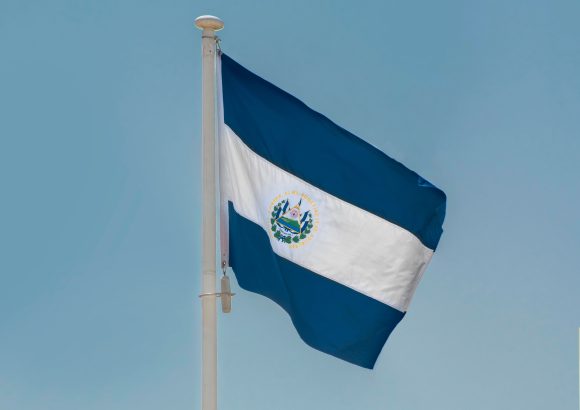
In a rapid, targeted operational move announced Thursday, El Salvador has dispatched an initial contingent of 100 elite special forces operatives to Haiti to secure the release of four Salvadoran military personnel abducted during a brazen gang ambush earlier this week, two senior government sources confirmed exclusively to The Associated Press. The deployment follows a public address from Salvadoran President Nayib Bukele the previous day, in which he formally greenlit a full military recovery mission for the four men, who are trained aviation technicians, and issued a stark warning that far more forceful retaliatory measures would be enacted if the hostages are not returned alive and without injury. A high-ranking Salvadoran government official also confirmed that a second unit of 100 additional service members is en route to the crisis zone, bringing the total deployment to 200 troops dedicated to the rescue effort. The four abducted personnel are active members of the multinational Gang Suppression Force (GSF), a peacekeeping task force deployed to assist Haitian authorities in dismantling violent armed gangs and restoring long-term public order across the crisis-stricken nation. The team went missing on Sunday after their armored transport was targeted with improvised explosive devices by unidentified armed militants in the community of Santo, situated on the outskirts of Port-au-Prince, near the Croix-des-Bouquets area. The unfolding rescue operation unfolds against a backdrop of spiraling humanitarian collapse across Haiti, where rampant gang violence has reached catastrophic levels in 2024. Official monitoring data records more than 5,700 fatalities and non-fatal injuries linked to armed gang clashes this year alone, while United Nations reports document over 230 recorded kidnappings and more than 1,000 verified cases of gender-based sexual violence targeting women and girls. The pervasive lawlessness and ongoing political gridlock have also thrown major uncertainty over the country’s long-planned presidential and legislative elections, originally scheduled to take place on December 13. Haiti’s Provisional Electoral Council recently opted to push back the official launch of campaigning for the polls, and has still not released a revised, concrete electoral timeline to the public.
El Salvador deploys 100 special forces to Haiti to rescue missing soldiers