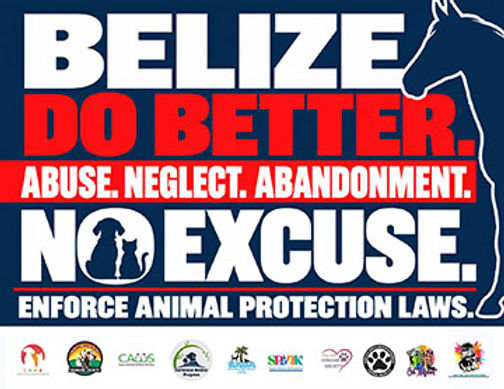
A broad coalition of animal welfare organizations across Belize has launched a coordinated national campaign to address what activists call a escalating crisis of animal abuse and neglect that has reached alarming levels across the country. Driven by a string of high-profile, disturbing incidents involving domestic pets and working animals, the united movement is pressing government officials and law enforcement to step up enforcement of existing regulations, launch full investigations into reported cruelty cases, and enact harsher legal penalties for convicted offenders. Beyond pushing for institutional change, the campaign also seeks to mobilize public attention to the widespread mistreatment of vulnerable animals and build broader community support for stronger protection measures.
The latest push for action was catalyzed by a recent high-profile incident in Belize City, where an emaciated horse was found collapsed on Baymen Avenue earlier this week. The animal, which was brought to the city’s tourist district to work giving rides to visitors, had reportedly endured months of ongoing neglect. Activists have demanded that authorities launch a immediate, transparent investigation into the case and secure emergency veterinary care for the injured animal.
This Belize City incident is far from an isolated case: it is just the most recent in a growing tide of animal cruelty reports that have spurred widespread anger among animal protection advocates over the past 12 months. Among the most controversial incidents was a widely covered case in which a police officer shot and killed the personal pet dog of Belize’s Governor General, part of a pattern of reported shootings of pet dogs by law enforcement personnel across the country.
In the northern Orange Walk District, two separate incidents involving employees of state-owned Belize Water Services Limited (BWS) have drawn particular outrage. In one case, a BWS worker is alleged to have entered private residential property without authorization and kicked a domestic dog in the head, leaving the animal with severe, life-threatening injuries. In a second incident just weeks later, another BWS employee was accused of spraying pepper spray directly at a family’s pet dog.
Beyond incidents involving domestic dogs, advocates have repeatedly raised alarms about systemic abuse of working horses across Belize. Many of these animals are forced to work long hours giving tourist rides on blistering hot concrete city streets, with no regular access to adequate food, clean water, rest breaks or shelter. Reports of horses being beaten, starved, and left to die from untreated injuries have become far more common in recent years, activists say.
To amplify their demands, the coalition of welfare groups has launched a public online campaign to reach broader audiences and collect support for reform. Michelle Rudon, founder of Belize City-based animal welfare group The Society for the Promotion of Animal Rescue and Kindness (SPARK), noted that her organization and other groups have been advocating for better protections for working horses for years, with little meaningful action from authorities.
“How long have animal welfare groups been begging, pleading, fighting, and advocating for these poor horses to be taken care of? Years! Horses don’t belong on hot concrete streets, in and out of traffic,” Rudon said in a statement alongside the campaign launch.
Rudon emphasized that the coalition’s core demands are clear: officials must launch full, impartial investigations into every reported incident of animal cruelty, hold all offenders accountable regardless of their employment or status, update existing animal welfare legislation to close loopholes, and implement much stricter penalties for anyone convicted of abusing animals. Activists warn that the current lack of meaningful consequences for abusers has allowed the crisis to grow unchecked, with more animals suffering harm every month. They are calling on the Belizean government and national law enforcement agencies to take swift, decisive action to end the cycle of abuse and put meaningful protections in place for all vulnerable animals across the country.