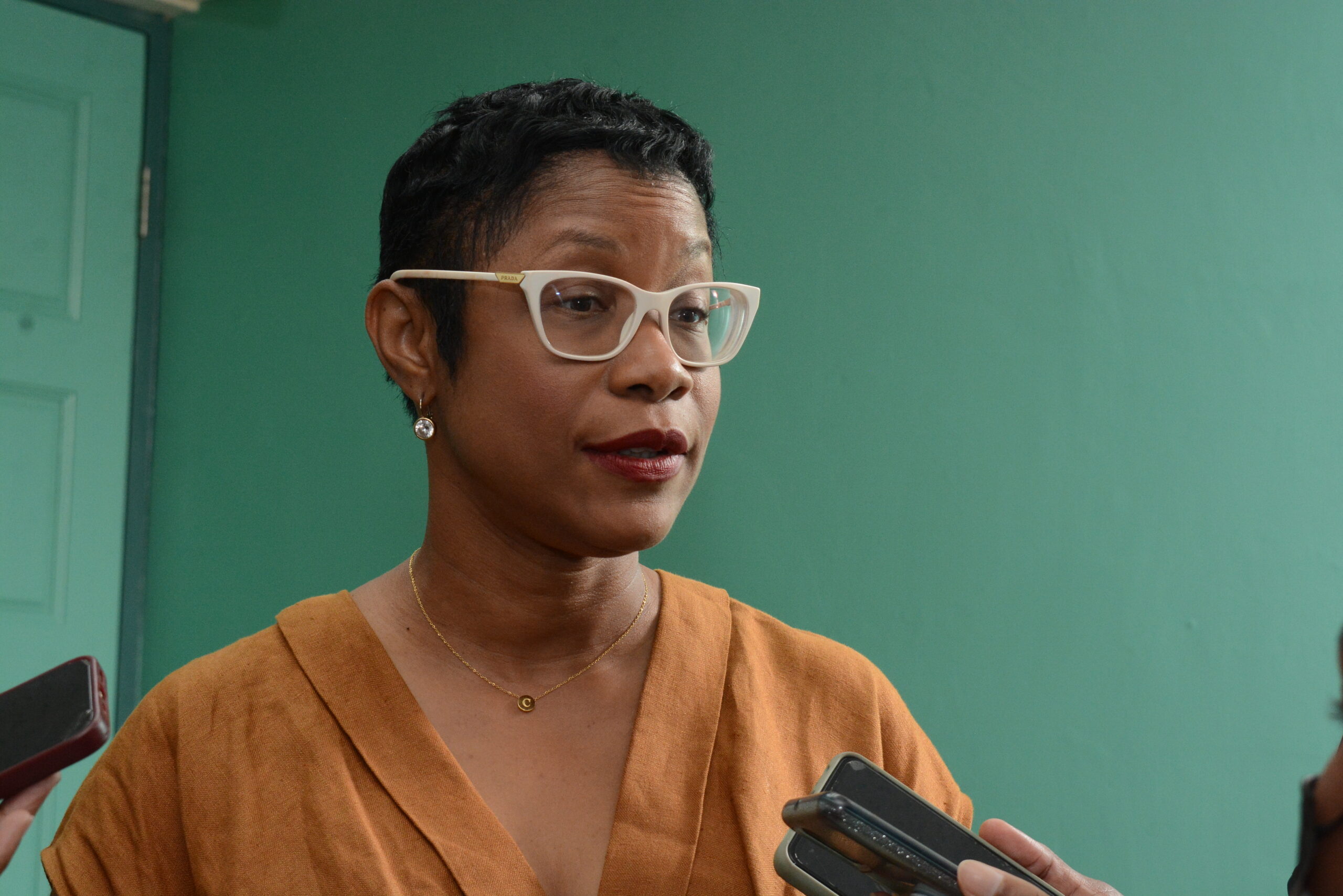
BARBADOS – In a push to strengthen support for the island nation’s most vulnerable young people, Minister of Health and Wellness Senator Lisa Cummins has issued a urgent call for tighter collaboration across Barbados’ social support systems. Speaking at the opening of a two-day United Nations Population Fund (UNFPA) Capacity Building Workshop focused on Adolescent-Friendly Health Services this Wednesday, held at UN House in Hastings, Christ Church, Cummins warned that disjointed communication between key service providers leaves children and adolescents at risk of falling through the cracks of existing support networks.
Cummins illustrated the risks of fragmented care with a common example: A young person showing falling grades, skipped classes, or shifting behaviour may be categorized by school staff as solely a school problem. The same child might seek care from a clinician for symptoms of anxiety or depression, while a social worker could identify underlying financial strain or family conflict. Without aligned communication, each provider only sees a piece of the puzzle, leaving the young person without comprehensive, coordinated support.
“Universal access to services is one thing… but the next stage of our development must be about focusing on ensuring interconnectivity in the interest of the people who benefit from the universal services,” Cummins told attendees. Beyond cross-system collaboration, the minister also challenged policymakers and health providers to adopt a broader, more holistic understanding of women’s and children’s health that accounts for the full spectrum of social, emotional, and developmental factors that shape lifelong well-being.
For women’s health, Cummins argued that the conversation cannot be limited to pregnancy and childbirth. While acknowledging the persistent importance of maternal health, she emphasized that it must be framed alongside other critical priorities including adolescent health, reproductive care, mental health support, and the prevention and long-term management of non-communicable diseases. For children, health needs stretch far beyond treating acute childhood illnesses: holistic care must address nutrition, emotional development, the impact of learning environments, and family context.
Cummins specifically highlighted the high prevalence of single-parent households led by women across Barbados, noting that policymakers need to center the unique challenges these families face when designing health and social policy. Under her leadership, the Ministry of Health and Wellness will place growing focus on gender-specific health needs, recognizing that girls and boys face distinct barriers to wellness across adolescence and into adulthood.
For adolescent girls, targeted guidance and tailored support during their formative teenage years helps build long-term confidence, improves decision-making, lays the foundation for lifelong health, and expands future economic and personal opportunities. Boys, however, are often failed by cultural norms that discourage them from discussing their emotions and seeking help. “We’re particularly conscious about how, culturally, men and boys are not encouraged to talk about how they feel. It’s not manly, it’s not cultural, but this is so important as part of our conversation going forward,” Cummins explained.
Closing her remarks, the minister emphasized that investing in adolescent health today is an investment in the long-term health of Barbados’ future adult population, arguing that coordinated, holistic care will yield widespread public health and social benefits for generations to come.