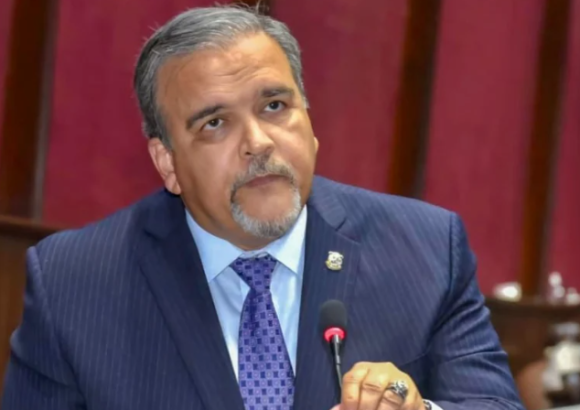
Santo Domingo – A prominent Dominican political leader has brought forward a reworked piece of legislation that seeks to counter religious extremism tied to Sharia law, introduce regulatory frameworks for mosque construction, and safeguard the nation’s distinct cultural identity.
Elías Wessin Chávez, president of the Quisqueyan Christian Democratic Party (PQDC) and a sitting member of the Chamber of Deputies, confirmed that the bill lapsed at the end of the last legislative session without advancing to a vote. The reintroduced version only includes minor updates: mostly typographical corrections and stylistic adjustments crafted to eliminate ambiguity around the bill’s original policy provisions, he said.
Wessin Chávez framed the initiative as a proactive, precautionary step rather than a reaction to an immediate domestic threat. Drawing on ongoing tensions linked to religious radicalization in several European nations – with France specifically named as a key case study – the lawmaker argued that early regulatory action can head off future instability before it takes root in the Dominican Republic.
Central to the legislation’s core mission, he added, is the preservation of the Dominican Republic’s founding cultural and social values. To address widespread concerns that the bill could infringe on constitutionally protected religious freedom, Wessin Chávez referenced Article 45 of the Dominican national constitution, which enshrines the right to religious practice while requiring that all religious activity respect existing public order and ethical standards.
Speaking to the current state of Muslim religious institutions across the country, Wessin Chávez noted that the recently completed construction of a new mosque in Verón, a community in the popular tourist hub of Punta Cana, underscored the growing need for clear regulatory guidelines. He estimated that roughly 10 active mosques currently operate across the Dominican territory. Repeating his core message, the lawmaker stressed that the proposal’s sole purpose is to protect the nation’s cultural heritage and block the spread of radical extremist ideologies, rather than targeting the peaceful practice of any faith.
This report was compiled from updates from DominicanScope.