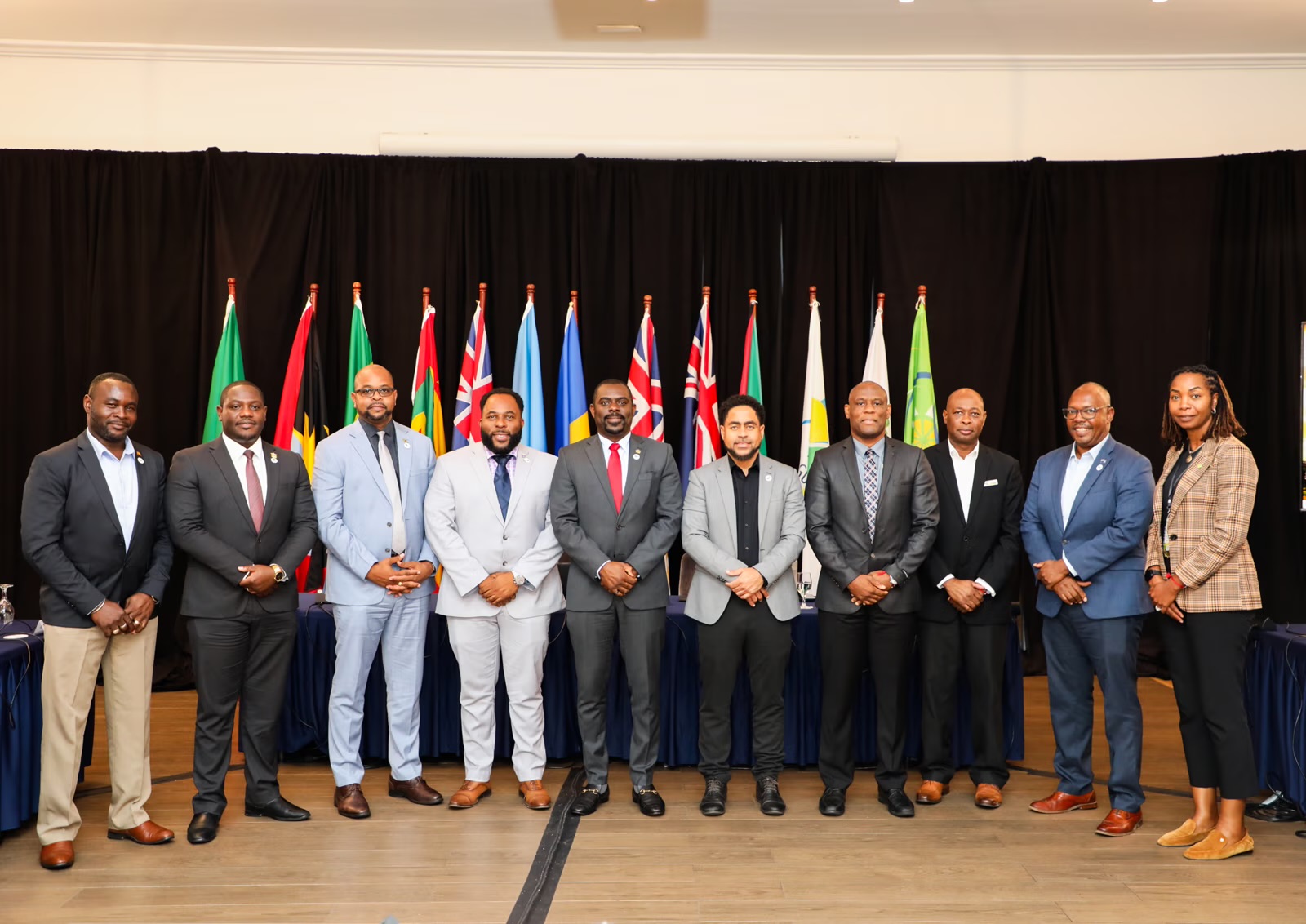
Against a backdrop of growing global food supply volatility and persistent trade inefficiencies across the Caribbean, the Organisation of Eastern Caribbean States (OECS) convened its Third Special Meeting of the Council of Ministers for Agriculture on September 30, 2026. Hosted at Jamaica’s Ocean Coral Springs Resort, the gathering brought together senior agricultural leaders from all member states, including representatives from Antigua and Barbuda, and ran as an official side event of the annual Caribbean Week of Agriculture.
Unlike routine policy dialogues, this meeting centered on turning long-discussed strategic goals into tangible, time-bound action. The core agenda centered on three pressing priorities: speeding up the rollout of regional food security frameworks, dismantling long-standing barriers to intra-regional agricultural trade, and ensuring compliance with previously agreed policy commitments that have stalled in implementation.
Opening the proceedings, OECS Director General Dr. Didacus Jules delivered a stark call to urgency, pushing member nations to move beyond rhetorical commitment and implement concrete measures to boost domestic and regional food production while cutting reliance on costly, volatile food imports. Dr. Jules emphasized the non-negotiable nature of food security in his address, noting: “A nation can defer a constitutional reform or postpone a highway. It cannot postpone dinner.”
To guide regional action, Dr. Jules outlined five critical priority areas for collective investment and collaboration, including centralized collective purchasing of agricultural inputs, the establishment of dedicated regional maritime shipping routes for agricultural goods, the harmonization of conflicting food safety standards across member states, and enhanced legal and practical protection for critical regional agricultural resources.
A key procedural milestone also emerged from the summit: the official transfer of the Council of Ministers’ chairmanship from Montserrat to St. Kitts and Nevis. In his first address as incoming chairman, St. Kitts and Nevis’ Samal Duggins called out a long-standing paradox slowing Caribbean agricultural development, questioning why regional nations consistently face lower barriers importing food from extra-regional suppliers than trading agricultural goods with their neighboring Caribbean states.
By the close of the meeting, participating ministers had reached consensus on a slate of targeted measures to advance cooperation. A 30-day deadline was set for all member states to submit formal feedback on the draft OECS Apiculture Policy, a framework crafted to protect vulnerable bee populations and the critical pollination ecosystems that support regional agricultural output.
Additional initiatives backed by the Council include the development of a centralized digital registry for small cargo vessels to streamline cross-border agricultural shipping, the design of a unified regional agricultural and fisheries insurance framework to help producers weather climate and market shocks, and expanded collaborative efforts to address sargassum inundation, scale up sustainable seamoss production, and strengthen regional root crop value chains.
For Antigua and Barbuda and other small island developing states across the OECS, the outcome of the summit reinforces a shared recognition that coordinated regional action is the most viable path to strengthening long-term food sovereignty, cutting import dependence, and building agricultural resilience that can withstand growing climate and global economic pressures.