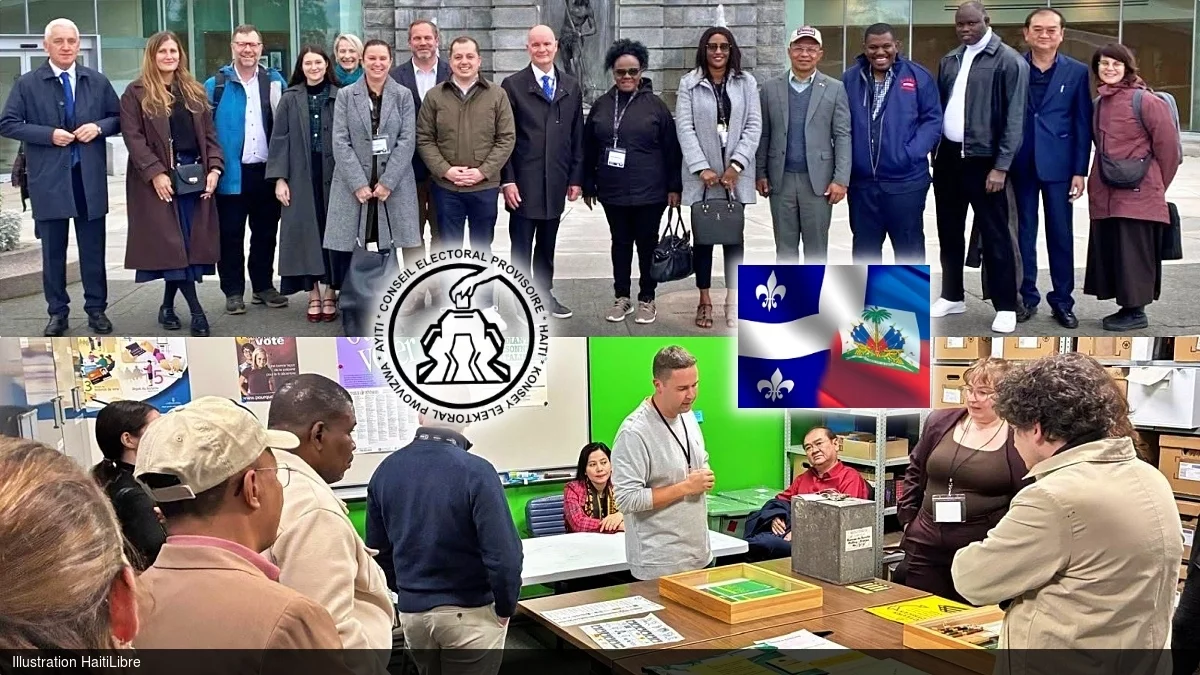
In a move designed to strengthen democratic governance and build electoral expertise through cross-border collaboration, Haiti’s Provisional Electoral Council (CEP) is taking part in an election observation and experience-sharing initiative tied to Quebec’s October 2026 provincial general election. The program, hosted under the umbrella of the Francophone Electoral Skills Network (RECEF), brings together electoral bodies from French-speaking regions to unpack the institutional and operational frameworks that underpin free and fair elections.
The structured learning opportunity unfolded in two distinct phases over the course of the election period. The first stage consisted of a series of interactive presentations led by senior officials from Élections Québec, Quebec’s independent electoral authority, alongside seasoned external experts in democratic governance. These sessions covered core topics critical to successful election administration, from long-term election preparation and logistical coordination to voter access and on-the-day voting management. Participants gained insights into how Quebec designs and scales its electoral operations to meet the needs of a diverse electorate.
Following the introductory sessions, attendees moved to on-the-ground observation, touring polling stations and electoral districts across the Quebec City region. This hands-on component allowed delegates to examine Quebec’s electoral processes up close, including the maintenance of its permanent voter list, the training of poll workers, and the protocols that ensure secure, accessible voting for all eligible citizens.
Representing the CEP on the mission is council member Jacques Desrosiers, who used the platform to share insights into Haiti’s own electoral landscape, drawing clear comparisons between Quebec’s established system and the unique structural, social, and political challenges that shape democratic processes in Haiti. Desrosiers’ presentation was attended by representatives from a broad coalition of international and regional organizations, including Action-Haiti, Architecture sans frontières Québec, Carrefour de solidarité internationale, the Interdisciplinary Center for International Development in Health (CIDIS), and the University of Sherbrooke.
For the CEP, this international engagement is more than a learning exercise: it reaffirms the institution’s longstanding commitment to open knowledge exchange among Francophone electoral bodies. Proponents of these cross-institutional partnerships argue that shared expertise helps build capacity, standardize best practices, and strengthen technical skills across the full spectrum of election administration. Looking ahead, the CEP says it will continue pursuing collaborative learning opportunities as it works to conduct future Haitian elections that align with core democratic principles: inclusivity, impartiality, transparency, institutional independence, and the fundamental right of all Haitian citizens to participate in their country’s democratic future.