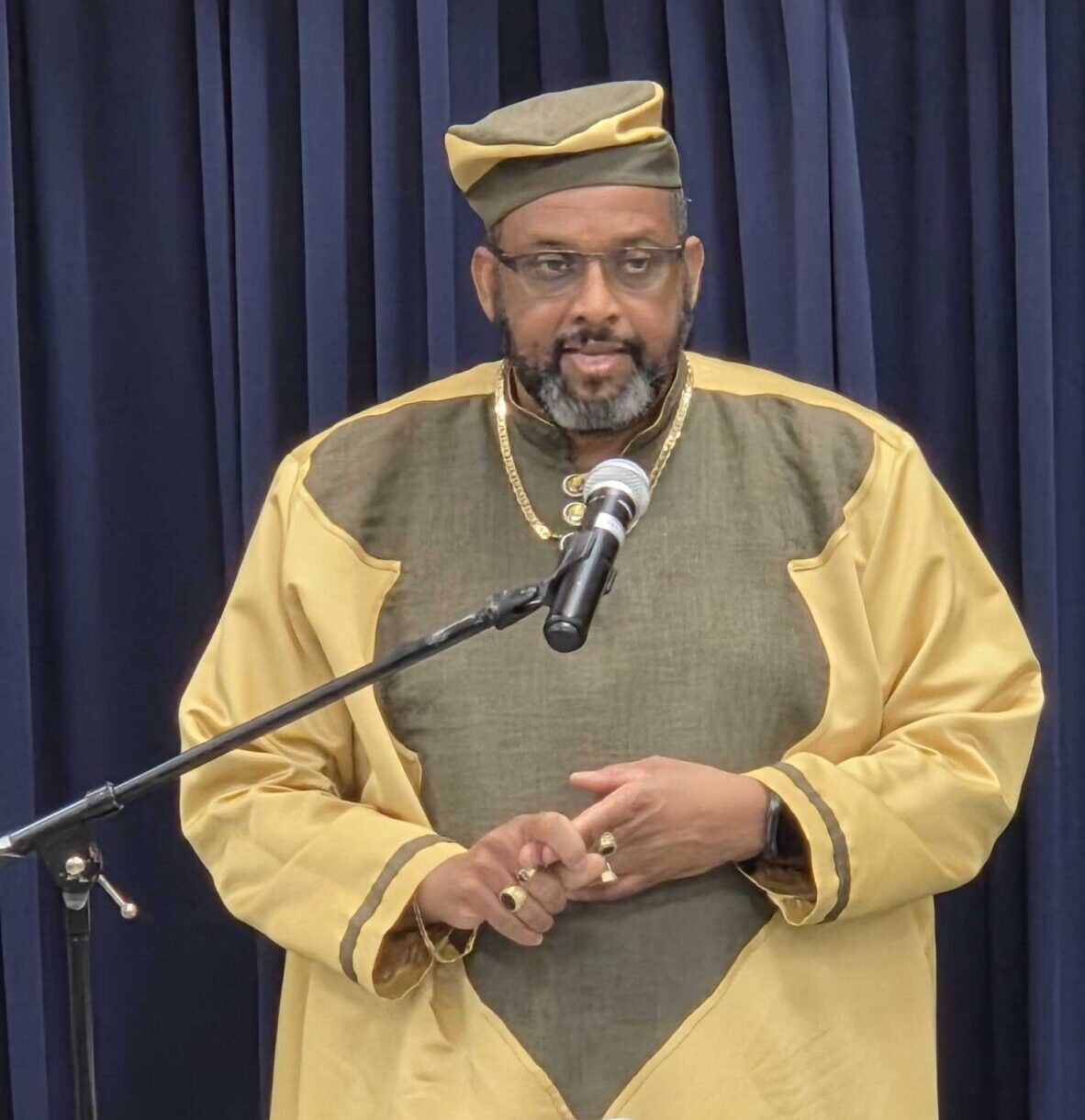
At a recent recognition ceremony honoring graduates of the Barbadian government’s flagship youth mentorship training program, Dr. Colin Cumberbatch, Principal of Erdiston Teachers’ Training College, delivered a clear call to action: certificate completion is only the first step, and now trained mentors must step into local communities to support young people directly.
The ceremony celebrated participants from the program’s first and second cohorts who had successfully finished their required training. While Cumberbatch opened his remarks by commending the graduates for choosing to invest their time in developing mentorship skills, he emphasized that hanging a certificate on the wall does not fulfill the purpose of the initiative. Instead, he challenged every attendee to become an active, visible youth advocate in their home neighborhoods.
Framing the nation’s young population as one of Barbados’ most valuable strategic resources, Cumberbatch warned that failure to engage with at-risk youth would put that asset at unnecessary risk. “Young people do not need distant, judgmental leaders who dictate from the sidelines,” he explained. “They need guides who will listen first, offer direction without criticism, inspire change without forcing their own agendas, and correct missteps without crushing young people’s confidence.”
Cumberbatch’s remarks came in the wake of several high-profile local community incidents that have led to widespread unfair negative stereotyping of Barbadian youth. He pushed back against passive public commentary, arguing that inaction in the face of youth disengagement is itself a harmful choice. “Too many of us sit at home complaining about ‘these young people’ without lifting a finger to reach out,” he noted. “When we choose to do nothing, we are not just standing by—we are making the problem worse.”
To turn this trend around, Cumberbatch issued a simple but concrete challenge to every graduate: upon returning to their communities, each mentor should commit to connecting with at least one young person for ongoing one-on-one guidance. He added that meaningful mentorship cannot be rushed, stressing that effective support requires patience, empathy, and a willingness to meet young people where they are in their lives, rather than demanding instant, transformative change. “You don’t need to organize a massive program to make a difference,” he advised. “Start with one person. Don’t stay at home patting yourself on the back for getting your certificate. Get out, build trust, and show up consistently—that’s how real change happens.”