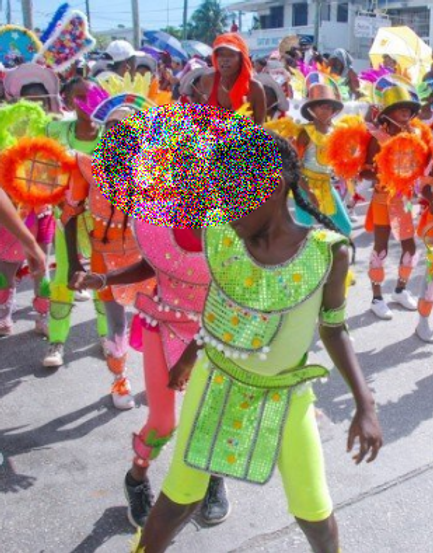
After alarming incidents involving children during 2024’s Carnival celebrations in Belize, the country’s leading national child protection coordination body is pushing for urgent, comprehensive upgrades to child safety protocols for all public cultural and community gatherings across the nation.
The Child Protection and Justice Steering Committee (CPJSC), a multi-stakeholder body that unites senior leaders from the judiciary, legal sector, government agencies, UNICEF Belize, civil society groups and national advisory bodies, has centered its mission on keeping children’s best interests at the core of all policy and practice, while strengthening national responses to child violence, abuse, neglect and exploitation. In the wake of raised concerns about inappropriate interactions involving minors during this year’s Carnival, the organization has laid out a clear set of actionable recommendations to ensure every child can participate in public events without risking their safety, dignity or fundamental rights.
CPJSC officials acknowledged that Carnival holds deep cultural significance for Belize, serving as a beloved showcase for national creativity, community connection and cultural expression. However, the committee stressed a critical boundary: behavior that is considered acceptable between consenting adults cannot be deemed appropriate when children are part of the event. All children deserve to join cultural, athletic and community gatherings in spaces that are secure, aligned with their developmental stage, and fully respectful of their inherent dignity and human rights, the body affirmed.
The committee’s set of proposed safeguards covers every stage of event planning and execution. First, it calls for formal, clearly communicated codes of conduct for all adults interacting with minors at events, including an explicit ban on sexually suggestive dancing between adults and children. These standards must be shared with all performers, event staff and attendees in advance, with formal reporting and resolution procedures put in place to address any violations that arise. Second, organizers must implement age-appropriate participation guidelines: this includes pre-event reviews of all children’s choreography and costumes, and formal restrictions barring minors from taking part in performances centered on adult-oriented themes. Third, events should include dedicated, supervised family zones that offer age-appropriate entertainment for young attendees, ensuring children have access to activities suited to their needs.
CPJSC also emphasized the critical roles of public awareness and rapid response. All event attendees and families must be informed of child safeguarding expectations ahead of events, and trained child protection personnel, backed by law enforcement when necessary, must be on site to address any safety or dignity concerns immediately. Beyond the event itself, the committee issued a special call for responsibility from the public, media outlets and independent content creators when capturing or distributing footage involving children. Any images or video that could identify a child involved in a safeguarding incident should never be published or reshared, the body warned. Further circulation, reposting or public commentary on this material exposes children to invasive, unwanted attention and can extend the harm they experience long after the original incident. CPJSC stressed that concerns about child welfare can be reported and addressed fully without subjecting involved children to additional, unnecessary public scrutiny.
“Adults bear the full responsibility for upholding the boundaries that protect children’s safety, dignity and well-being,” the committee stated, noting that this responsibility does not end when the event concludes — it extends every time a camera is turned on to record content involving minors.
The committee clarified that its call for stronger safeguards is not intended to bar children from participating in Belize’s beloved public celebrations. When appropriate protective measures are properly implemented, Carnival and other community events can still offer children valuable, enriching opportunities to engage with Belizean culture, build community connections and exercise their creativity, the body noted.
Framing child protection as a collective responsibility that requires buy-in from organizers, officials, caregivers and the general public alike, CPJSC emphasized that prioritizing children’s safety today is the critical foundation for building a future where all Belizean children can grow, thrive and make meaningful positive contributions to the nation.