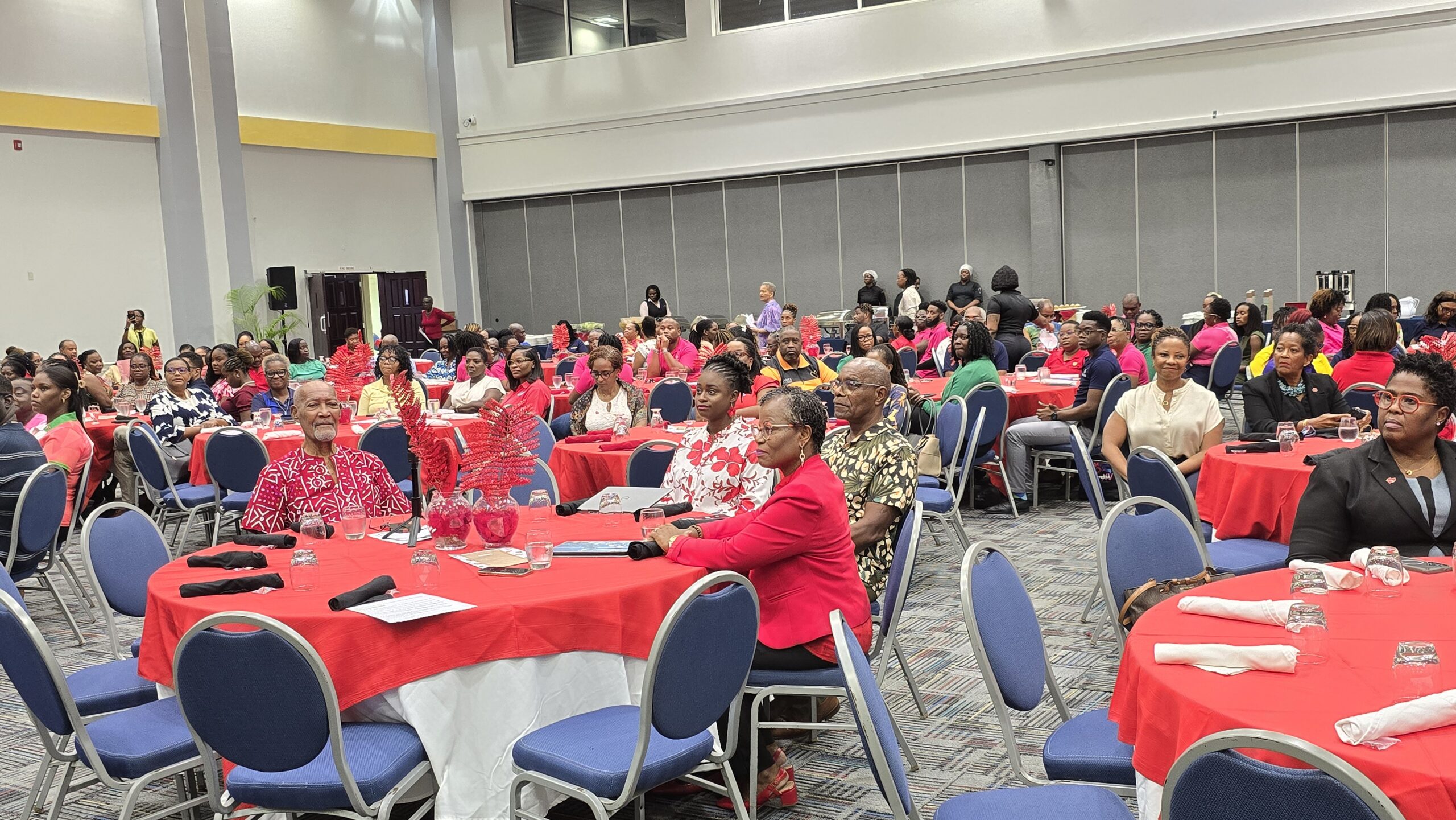
New local heart health data released by the Heart and Stroke Foundation at its annual World Heart Day event has painted a stark picture of cardiovascular disease burden in Barbados, calling for cross-sector collective action rather than individual responsibility alone to reverse worrying trends.
The data, collected from Queen Elizabeth Hospital (QEH) for the full 2022 calendar year, documents 556 confirmed heart attack cases across the facility. Of these cases, nearly 14% – equal to around one in every six patients – had already experienced at least one prior heart attack, indicating high rates of recurrent cardiovascular events. Most alarmingly, only two out of every three patients survived to be discharged from the hospital; one in three heart attack patients admitted to QEH in 2022 died during their stay.
General practitioner and certified fitness trainer Dr. Vicky Estwick presented these sobering statistics as the keynote speaker at the foundation’s Annual World Heart Day luncheon, hosted at the Lloyd Erskine Sandiford Centre under the 2023 global theme “Use Heart for Action”. “These numbers are not pretty, and they are not third-party estimates – this is our own local data from 2022,” Dr. Estwick told attendees. “That is exactly why the Heart and Stroke Foundation continues to raise this issue every single year, even when audiences grow tired of hearing the same message. The figures are staggering, and inaction is no longer an option – we need meaningful, coordinated action now.”
Dr. Estwick’s address centered on three core pillars for progress: helping the public recognize early warning signs of heart disease, outlining accessible daily steps individuals can take to protect cardiovascular health, and outlining clear responsibilities for policymakers and community organizations in addressing systemic gaps. She pushed back against the common narrative that frames heart health as solely an individual responsibility, emphasizing that sustainable change requires collaboration across all levels of society.
A key point of her talk was the widespread underrecognition of heart attack symptoms, particularly among high-risk groups that often do not present with the classic chest pain most people associate with cardiac events. “Many people brush off early warning signs as nothing more than general fatigue or stress from daily life,” she explained. “Women, people living with diabetes, and those with other nerve-impacting conditions frequently do not experience sharp chest pain. Instead, symptoms can mimic common issues like heartburn, indigestion, or an upset stomach. Patients often report unexplained lightheadedness, persistent tiredness, a rapid or fluttering pulse, shortness of breath, leg cramps, or general weakness that they blame on anything other than a cardiac problem.”
She shared one illustrative example of a male patient who brushed off what he assumed was post-gardening heartburn, only to discover the symptom was actually a sign of an ongoing cardiac event. Dr. Estwick added that clinicians across Barbados must maintain a high index of suspicion for cardiovascular disease, given how common hypertension and other cardiac risk factors are across the island, with many cases going undiagnosed simply because patients do not seek routine preventative care.
Her first core public recommendation is straightforward: all adults over the age of 30 should schedule a full preventative health check-up every year. She warned against the dangerous assumption of good health without clinical verification: “If you haven’t had your blood pressure checked recently, you cannot claim you don’t have hypertension. Many people live with this silent risk factor for years without ever knowing it.”
Drawing on the World Health Organization’s holistic definition of health – which frames health as a complete state of physical, mental, and social well-being, not just the absence of detectable disease – Dr. Estwick noted that unmanaged chronic stress alone is enough to mean a person is not living in optimal health.
When it comes to dietary changes, she recommended the simple balanced plate framework: half of every meal should consist of fruits and vegetables, one quarter should be starchy foods, and the final quarter should be protein. She pointed out that this proportion is almost always reversed in typical Caribbean diets, with macaroni salad, potato salad, and dessert all counting towards the starch portion that already takes up too much of most people’s daily intake. Rather than pushing for extreme, overnight dietary overhauls that she says almost always fail, Dr. Estwick advised small, sustainable adjustments: instead of clearing out your entire fridge and adopting a restrictive new diet, start by just adding extra vegetables to every meal you already eat. The same advice applies to physical activity, she added: don’t commit to an unsustainable six-day-a-week gym routine that you will abandon within a week; instead, build incremental movement into your daily routine over time.
She also highlighted the stark health inequality linked to social determinants of health, an often-overlooked factor in national public health strategy. Citing a landmark London study that tracked life expectancy against socioeconomic status, she confirmed that the same gap exists even in a small nation like Barbados: people with higher incomes consistently live longer and enjoy better quality of life than their lower-income peers, an inequity that demands policy attention. Dr. Estwick emphasized that good public health governance requires centering equity in policy design, not just checking boxes on meeting public health targets.
As one example of systemic coordination failure, she pointed to Barbados’ network of free outdoor gyms installed across the island – marked by distinct green and black structures – that few members of the public even know exist. “These are not children’s jungle gyms or playgrounds, they are free public fitness facilities with clear usage instructions for adults. But because the group that installed them never effectively shared information about their purpose and location with the public, most people cannot use them. Without clear communication and coordination across groups, even well-intentioned public health measures fail.”
Finally, Dr. Estwick stressed that unaddressed chronic heart disease places a double burden on Barbados’ national economy. First, it leads to widespread lost productivity through regular sick leave for affected workers. Second, the cost of long-term treatment for chronic cardiovascular disease creates a heavy financial strain on both individuals and the public health system. “I hear people say all the time that they pay their National Insurance contributions, so their medication costs are covered,” she explained. “But the truth is, the monthly National Insurance contribution doesn’t even cover the full monthly cost of many common cardiac medications, let alone all the other care that patients need. That’s why we all have to work together on this issue – it affects every single one of us.”