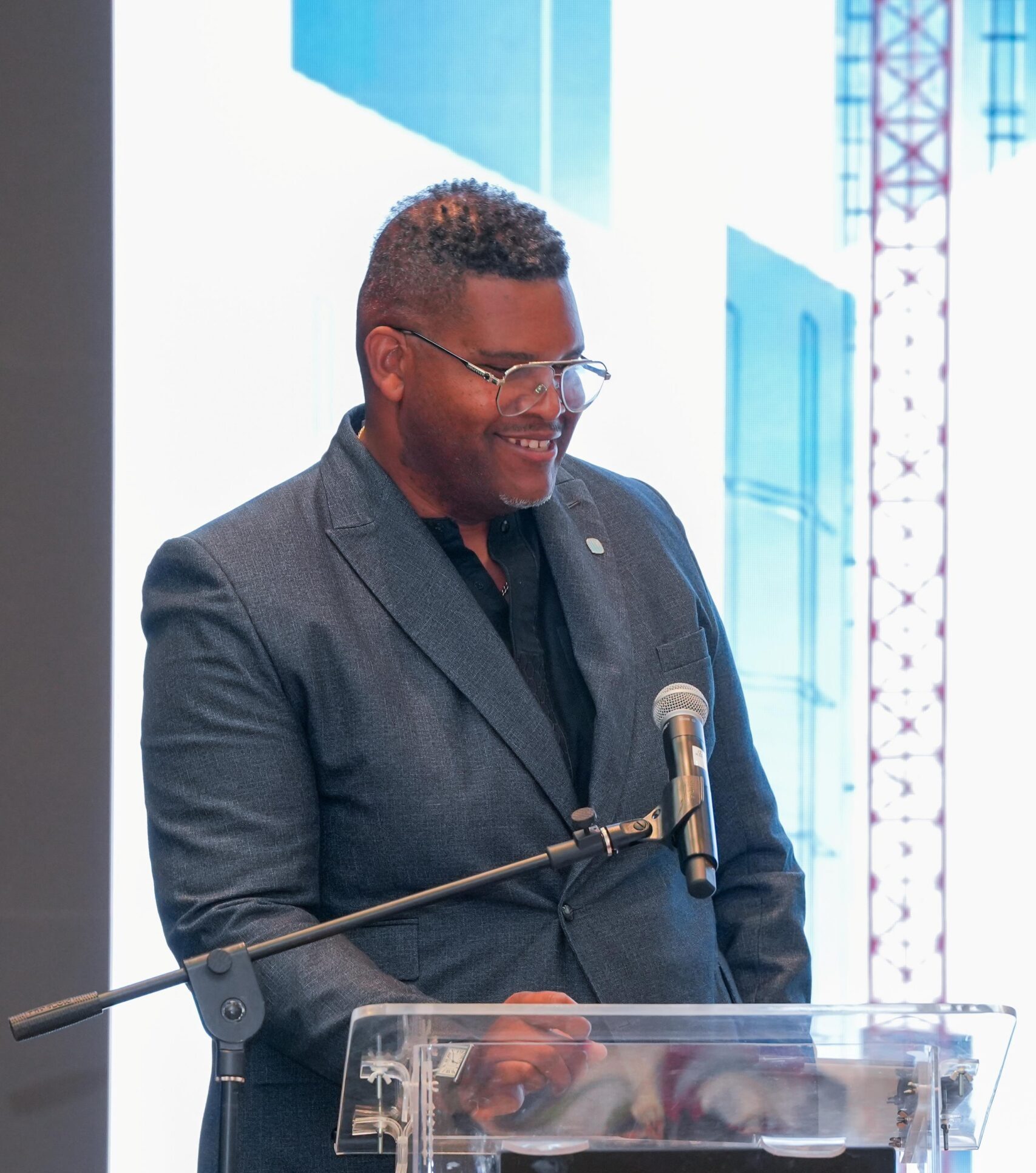
As Barbados prepares to host a high-profile United Nations AI policy meeting next month, a sharp divide has emerged over how much sway small island developing states can actually wield in shaping the future of global artificial intelligence governance. The Caribbean nation is set to welcome the second in-person gathering of the UN’s Independent International Scientific Panel on Artificial Intelligence in November, framing the event as a critical chance to insert small developing nations’ perspectives into one of the world’s most consequential technological conversations. But Steven Williams, a leading regional technology consultant, has cast doubt on the region’s ability to move beyond its long-standing role as a passive consumer of AI innovation developed outside its borders.
In an interview with local outlet Barbados TODAY, Williams pointed out that Caribbean nations have historically operated as adopters and users of new digital technologies, rather than core contributors to their research, development, or underlying infrastructure. This dynamic, he argued, has become even more entrenched as modern AI growth grows increasingly reliant on three critical resources that the region lacks: advanced digital infrastructure, high-performance computing capacity, and access to the critical minerals that power semiconductor and AI hardware manufacturing. Unlike larger developing regions such as Africa, which holds abundant reserves of key minerals, Williams noted that the Caribbean does not even control the raw inputs needed for AI supply chains. “We don’t develop the infrastructure, meaning that the chips, and we don’t even have, like Africa, the minerals that drive the technology,” he said.
This structural disadvantage, Williams warned, risks locking Caribbean nations into a cycle where they consume AI built elsewhere, cede control over their own data and intellectual property, and capture only a tiny fraction of the economic benefits generated by the technology. He raised pressing questions about small island states’ ability to participate meaningfully in an increasingly cloud-centric AI ecosystem, asking: “If everything is moving to an AI format that is delivered in the cloud, what actual intellectual property and contributing factors do small island states play to make sure that the economies can participate meaningfully?” Williams called for regional stakeholders to approach global AI debates with realistic expectations, noting that the Caribbean currently lacks a seat at the table for both AI hardware manufacturing and cutting-edge frontier model development. He referenced a stark visual from a July AI conference hosted by the Caribbean Telecommunications Union in Trinidad, where a global map of AI usage left the Caribbean nearly invisible. “If you took that to a stage where if people that are alive are using AI on a map, it looks as if your region is not alive,” he recalled. Despite these sobering observations, Williams stopped short of urging the region to disengage entirely from global talks, arguing that Caribbean nations still have a role to share their unique concerns and push for outcomes that reflect their interests, even if they cannot dictate the final terms of global AI policy.
Barbados’ Technology Minister Jonathan Reid, however, pushed back against the idea that the nation must settle for a passive role. Rejecting the label of bystander, Reid emphasized that Barbados aims to be an active participant and thought leader in global AI conversations. “We don’t want to be a bystander in the conversation of the world’s most prescient topics. We want to be an active participant and a thought shaper,” he said. For Reid, AI represents a transformative, once-in-a-generation opportunity for small economies like Barbados to leapfrog traditional development barriers and boost national productivity. He pointed to the already visible impact of accessible AI tools, which have empowered local young people, small business owners, and professional workers to complete complex tasks that would have required massive financial and human resources just a decade ago. “In our context, we see AI as this once-in-a-generation opportunity for a small country to significantly advance on its productivity and advance on its capability in a way that ten years ago we couldn’t have imagined,” he said.
As the country prepares for the UN panel meeting, Reid said a core plank of Barbados’ messaging will be centering the human impact of AI development. He stressed that the benefits of AI must reach ordinary people, and that global AI frameworks must include clear guardrails to mitigate potential harms. “One of the things that we have to always be mindful of is the human impact. We have to be concerned about how is it benefiting the average person’s life,” he said. “This tool has to be regulated and designed in a way that good is always done in people’s lives and then guardrails and measurements against negative fallout and impact.” The upcoming meeting in Barbados will now serve as a key testing ground for whether small island developing states can translate their participation in global AI governance into meaningful, inclusive policy outcomes that address their unique structural challenges.