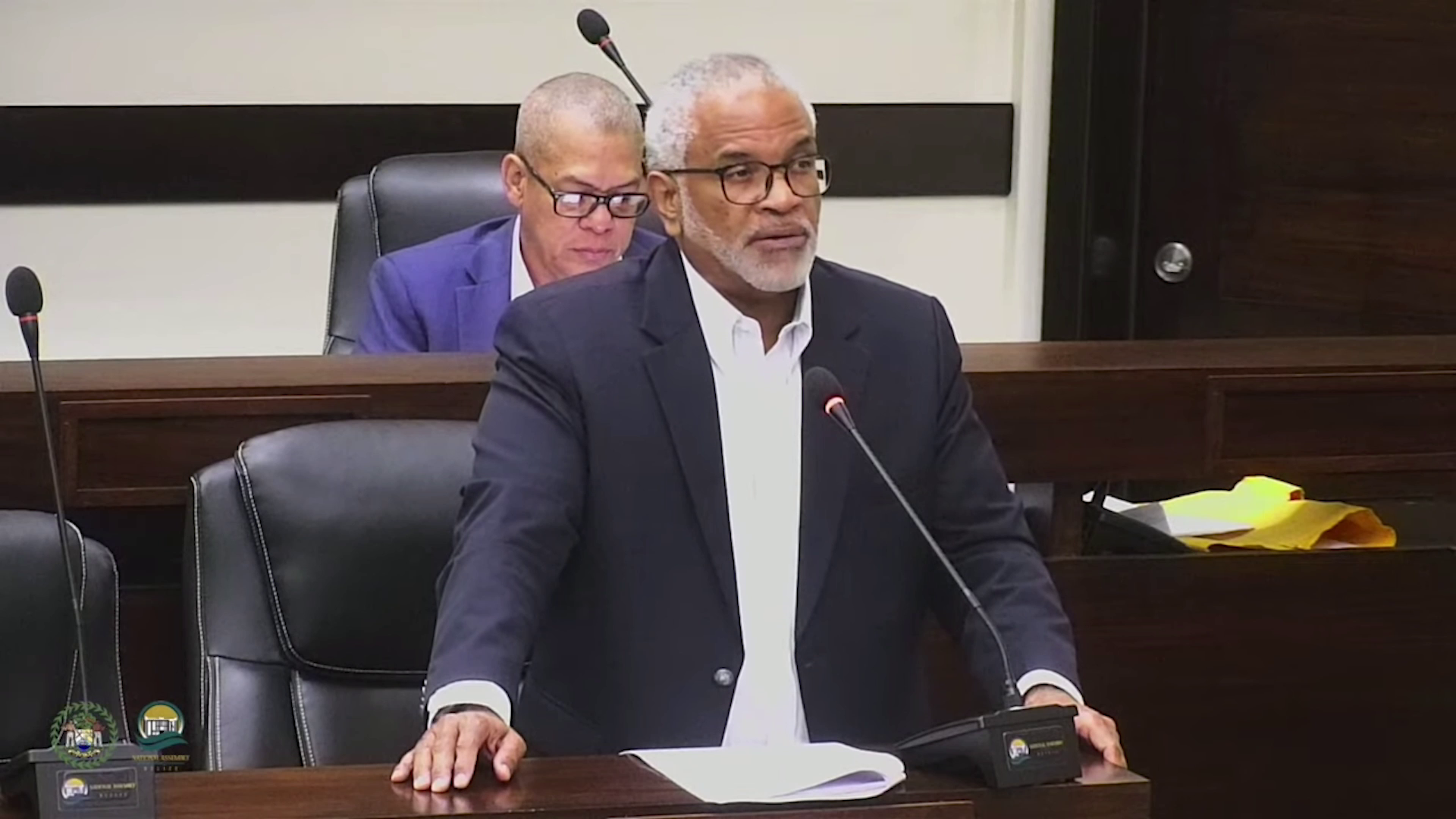
In a rare display of cross-aisle solidarity, Belize’s Senate has unanimously thrown its support behind a landmark overhaul of the nation’s domestic violence protections, marking a critical step forward for survivor justice nearly a year after the government first tabled the legislative reform package.
The country’s ruling administration first introduced the sweeping changes to Belize’s outdated domestic violence framework back in November 2025. On October 1, 2026, senators brought the final draft of the Domestic and Intimate Partner Violence Bill to the floor for debate, where every voting member aligned to back the proposal, which centers survivor needs and expands protection to vulnerable people in relationship types long excluded from existing law.
Unlike current legislation that implicitly frames domestic abuse as a harm limited exclusively to married or common-law couples, the new bill explicitly covers intimate partner violence in all non-marriage and non-common-law relationships. It also recognizes the full spectrum of abusive behavior, including physical, mental, psychological and financial violence that survivors often endure outside of formalized domestic arrangements.
Eamon Courtenay, the senate’s lead government representative, emphasized that the legislation addresses a longstanding gap in Belize’s legal code. “Domestic violence is a serious problem in our society,” Courtenay told fellow lawmakers. “One of the primary purposes of the bill is to account for the fact that the current legislation presumes abuse only occurs within formal marriage or cohabitation. This reform recognizes that people in other types of relationships can also suffer severe, violent abuse across multiple forms.”
Patrick Faber, the senate’s opposition leader, echoed that support, drawing on heartbreaking anecdotes shared by constituents across the country to illustrate why the reform is so urgently needed. “Too many Belizean women, some men, and far too many children live with violence behind their own front doors,” Faber said. “Too many of our constituents have told us the same story: police did not come, or they arrived and left quickly. The court was closed, the protective order was never served, and the perpetrator was back in the home by the weekend. Some of those stories ended in funerals.”
Even Louis Wade, the senate’s appointed church representative, who has historically centered traditional marriage as a social gold standard, threw his weight behind the bill, prioritizing survivor safety over ideological disagreement about non-traditional relationships. “There are relationships we approve of, and there are relationships we do not approve of. We also believe that certain relationships, specifically marriage, are the gold standard,” Wade noted. “But this bill focuses on the victim, because one thing we can all agree on is that nobody deserves to be beaten, to be victimized. Nobody should feel that they are a prisoner, that they are owned, or that the system is not hearing them or responding effectively to them.”
The unanimous vote makes clear that the reform will move forward toward enactment, bringing long-overdue protection to thousands of Belizeans who have been failed by the country’s existing legal framework. This report is adapted from a transcribed broadcast of an evening TV news program from Belize.