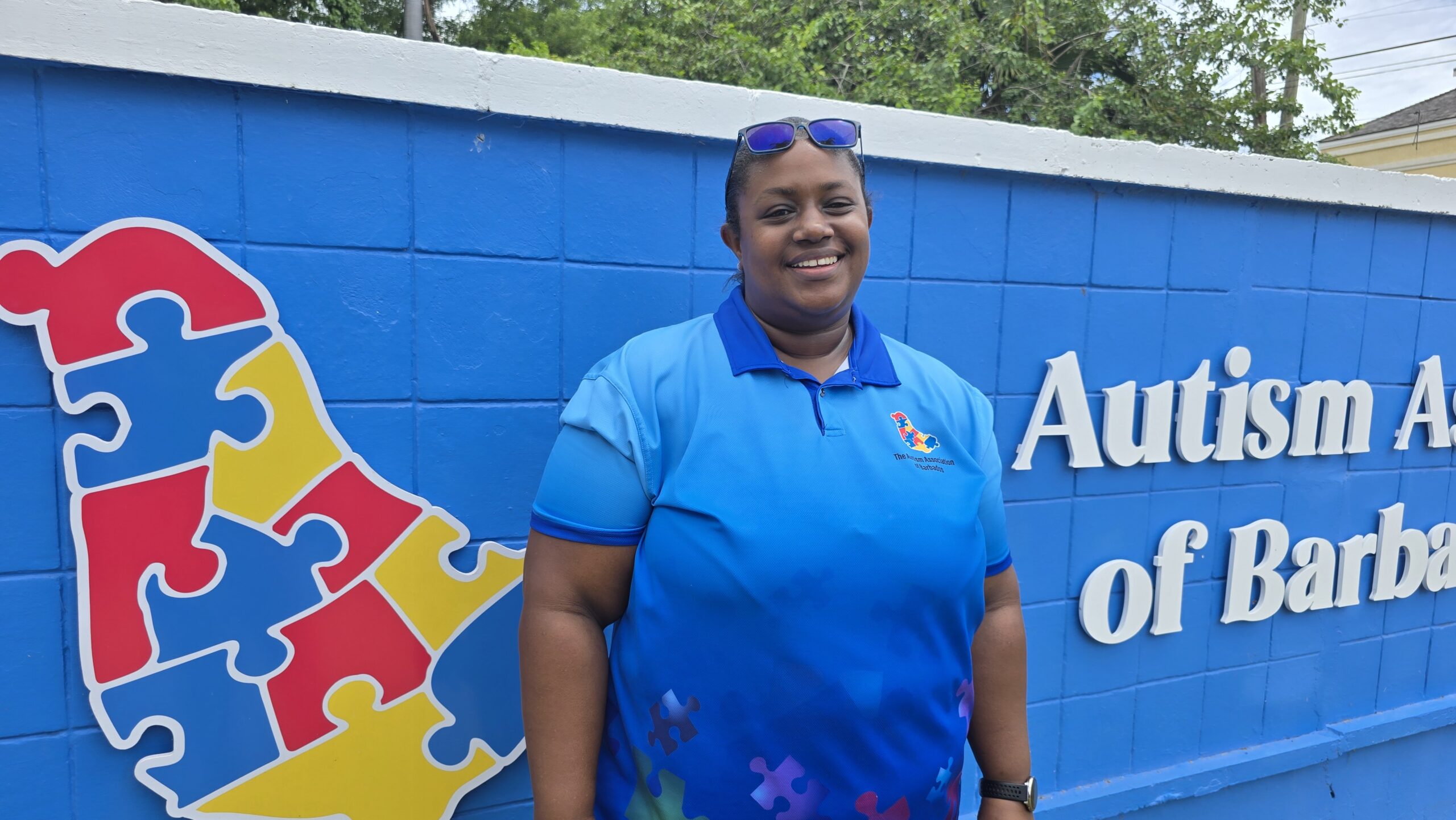
A critical crisis facing neurodivergent youth in Barbados has been brought to public attention by the Barbados Autism Association, which claims that dozens of teenagers on the autism spectrum are being forced out of formal education and trapped at home after many educational institutions refuse to enroll them unless families pay for a dedicated one-on-one aide. Nadia Simmons, a spokesperson for the advocacy organization, framed the ongoing exclusion as one of the most pressing systemic barriers for autistic children and their families across the island nation.
Simmons specifically highlighted that the crisis is most acute for young people classified as level 3 autism, who require high levels of daily and educational support. “I would say the major challenge is the children with high support needs; they are being displaced,” Simmons explained in an interview with local outlet Barbados TODAY. “I know they’re working on it, but very often when a student is given some challenges, they try to move the students or expel the students and then the ministry has to juggle where they would go.”
Unlike the rare cases of young children being out of school, Simmons noted that institutional exclusion of autistic teenagers has become normalized in the absence of targeted public support. “There are many, I would say more so, teenagers who are home because, while it is unusual to have children not in school, it seems to be fine for autistic youth because there’s no support or there’s no accommodations for them where they were,” she said. The advocacy leader confirmed that her team has documented at least two confirmed cases of out-of-school autistic teens, and she believes the actual number of excluded young people is significantly higher. The root of the problem, she added, is the common school requirement that families cover the cost of a personal aide for high-support autistic students – a salary that most low and middle-income households cannot afford.
In response to the association’s claims, senior officials from Barbados’ Ministry of Education Transformation said they had no knowledge of the reported exclusion cases and have formally requested that the association share specific student names and school details to allow the government to intervene. Kaye Sargeant, Senior Student Support Officer at the ministry, emphasized that systemic exclusion of autistic students runs counter to the government’s official policies and practices. “If she knows of that, let us know, because that certainly is not how we operate,” Sargeant said in a telephone interview.
Sargeant noted that the ministry has rolled out multiple targeted initiatives in recent years to keep autistic students enrolled in accessible, appropriate educational settings, adding that under Barbadian law, all school-age children are required to attend formal education, and unexcused absence is illegal. The ministry currently partners with local non-governmental organizations, including the Barbados Autism Association, to match neurodivergent students with customized programming that meets their support needs. Sargeant called for deeper collaborative work between the government and the advocacy group to resolve the reported gaps, saying “They know parents, and so they should say, ‘listen, how can we work together, what kind of programme is this child best suited for?’”
Simmons pushed back on the claim of productive existing collaboration, saying “We really have tried to have meetings with the ministry, and I will work on that again, but we have not been able to collaborate with them to solve that problem. They’re aware of it, I know.” The association’s public relations officer added that many mainstream schools simply lack the infrastructure, training, and staffing to accommodate level 3 autistic students, saying “It really should be a collaborative approach because they need to be accommodated.”
While acknowledging that the national government has taken steps to expand access – including covering school fees for autistic students attending private special education schools and increasing the number of institutions parents can choose from – Simmons said the growing prevalence of autism diagnoses has outpaced current support capacity. “I would be the first to admit that we can’t provide for all children … the numbers are increasing,” she said.
Beyond the school enrollment crisis, Simmons identified a critical nationwide shortage of speech and occupational therapists that is undermining early intervention efforts for young autistic children. She shared her own family’s experience as an example: her nine-year-old autistic son was placed on a waiting list for speech therapy at the Albert C. Graham Development Centre when he was just three years old, and he only received an offer of care this year. While the association does not have exact data on the number of additional therapists needed – in part because many families join multiple waiting lists to increase their chances of getting care – Simmons estimates that at least two to three additional full-time speech therapists are urgently needed to meet unmet demand.
When asked about overall school preparation for autistic students, Simmons offered a measured assessment, noting “They may not be perfect right now, but they are trying. They see the need, and they’re trying.”
Over the past three years, membership in the Barbados Autism Association has grown sharply, and the organization now counts roughly 320 members, including autistic children, autistic adults, and family members of neurodivergent people. The organization also highlighted that support gaps persist long after students age out of formal school programming. Currently, only two major options exist for adult autistic people seeking continuing support and vocational training: the Derek Smith School and Vocational Centre, which serves people up to age 25, and Lifelong Skills Training Incorporated. “There is not much. It’s just now us and the Lifelong Learning programme,” Simmons said.
To help address this gap, the association launched a one-year pilot Basic Life Skills Programme for autistic adults on Monday. Simmons said if the pilot is successful, the organization hopes to expand the programme, secure a larger dedicated facility, and extend support to hundreds more autistic adults across the island. However, sustained funding remains a major barrier. Simmons noted that the association receives the bulk of its donations and community support during April’s Autism Awareness Month, and securing funding for year-round programming requires constant outreach and advocacy.