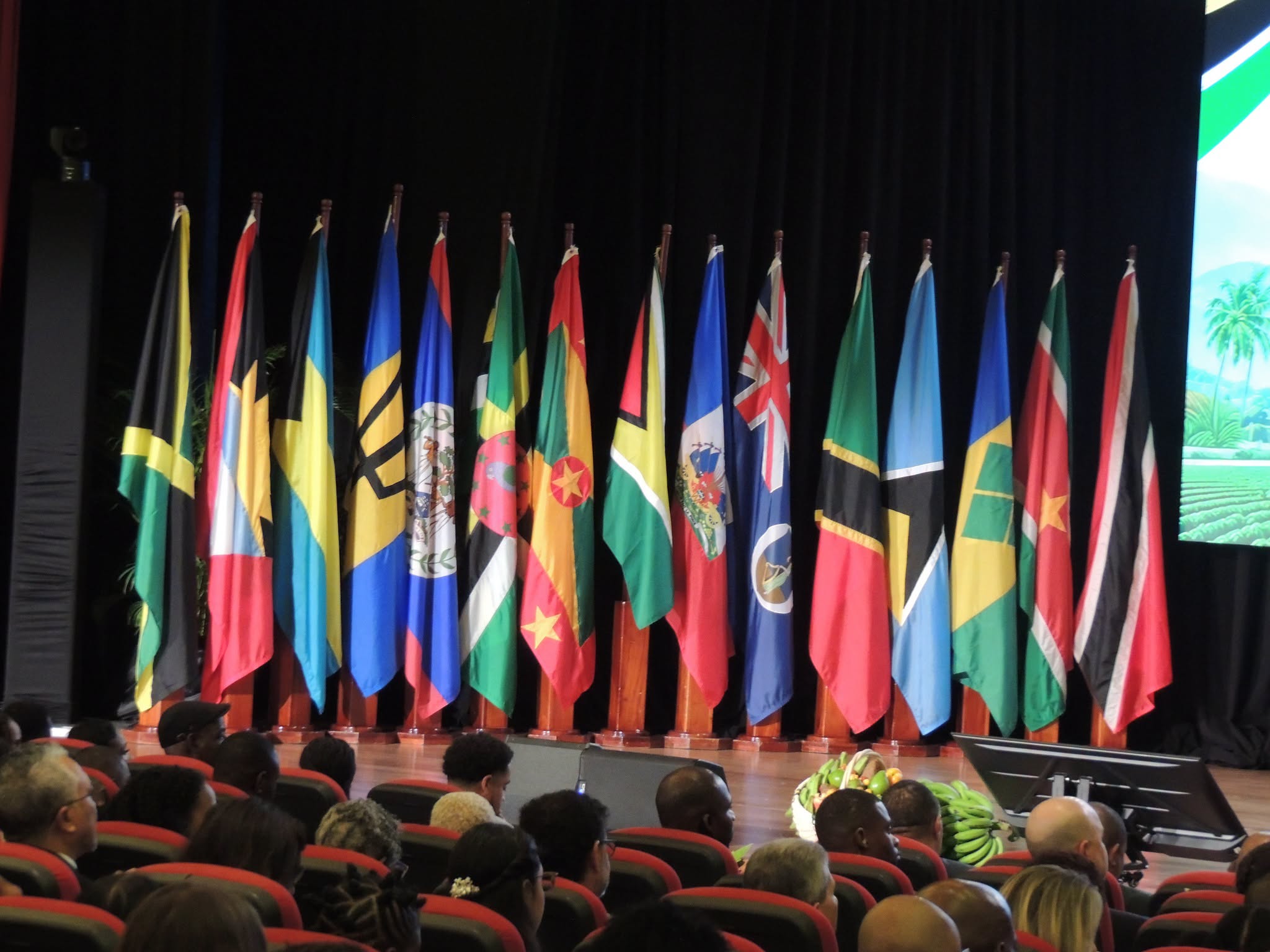
The 2026 Caribbean Week of Agriculture, a landmark annual regional gathering focused on the agricultural sector, kicked off on Sunday, September 27 in Jamaica, bringing together hundreds of key stakeholders from across the Caribbean to advance coordinated action on four critical priorities: bolstering food security, growing agri-business, scaling climate-smart agricultural technologies, and expanding regional agricultural exports. Over four days of targeted deliberations running through October 2, attendees including regional agriculture ministers, representatives from international and regional development funding agencies, smallholder and commercial farmers, and private sector agri-business partners will collaborate to align strategies with the Caribbean Community (Caricom)’s long-term development vision for the sector.
In his keynote address to Sunday’s official opening ceremony, Jamaica’s Prime Minister Andrew Holness urged participating delegates to remain committed to advancing Caricom’s shared goals, even in the face of persistent systemic challenges facing the region’s agricultural industry. “We are not starting from scratch; we are building on years of strategic planning, and our key question today is how can we produce more value from the resources that we are blessed with,” Holness told the gathered audience.
This year’s conference, themed “The New FACE of Caribbean Food Systems” — an acronym that encapsulates its four core focus areas of Food security, Agri-business development, Climate-smart technologies and Export expansion — is structured to build on the momentum of Caricom’s existing 2025+ 5 Initiative. That flagship program was launched to cut the Caribbean’s crippling food import bill, which recent regional data puts at a staggering $13.7 billion. Beyond reducing import dependence, the forum will center longstanding unaddressed priorities for the sector, including unlocking new private and public investment for small-scale and commercial agricultural operations, expanding market access for Caribbean agricultural goods abroad, strengthening the sector’s resilience to the growing impacts of climate change, and accelerating progress toward binding regional food security targets.
Working sessions are set to begin Monday, September 28, and will continue through Friday, October 2. The full week’s agenda features a robust lineup of 70 technical sessions and skills-building workshops, alongside high-level engagement including closed-door ministerial retreats, regional policy negotiations led by Caricom and its development partners, a special convening of the Council for Trade and Economic Development, and a large-scale industry exhibition and trade show designed to connect regional producers with buyers and investors.
Among the delegations in attendance is Grenada, which is sending a cross-ministerial team to participate in deliberations. An eight-member delegation from Grenada’s Ministry of Agriculture, Lands and Forestry, led by Permanent Secretary Javan Williams, will be joined by a two-member delegation from the country’s Ministry of the Blue Economy and Marine Affairs, headed by Permanent Secretary Isaac Bhagwan, highlighting the growing recognition of ocean-linked agricultural sectors as a key component of Caribbean food security.