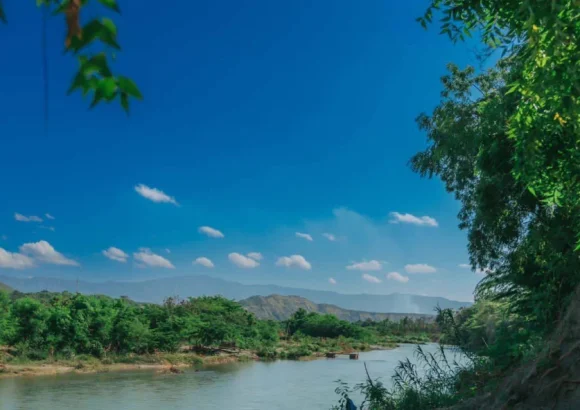
The Dominican Republic’s geographic landscape is woven together by an extensive, interconnected network of rivers and watersheds, all fed by mountain springs from the nation’s central mountain range. These water systems underpin every critical sector of Dominican life: they supply drinking water to millions of residents, support large-scale agricultural production, and fuel the country’s energy generation infrastructure. Among the nation’s most significant waterways are four that stand out for their economic, cultural, and ecological importance: Yaque del Norte, the longest river in the country, which acts as a lifeline for agricultural development across the northwest region; Yaque del Sur, a core source of irrigation for the highly productive southern agricultural zone; the Yuna River, which drains the fertile Cibao Valley before emptying into Samaná Bay; and the Ozama River, which flows along the capital city and holds deep historical and commercial importance for the nation.
Rivers of the Dominican Republic: what are the main ones and what threats do they face?