Basseterre, Saint Kitts – In a targeted move to support small and medium-sized local enterprises, the Government of Saint Kitts and Nevis has tabled proposed amendments to the country’s 1990s-era Liquor Licence Act, designed to streamline the often burdensome licensing and renewal process for small business owners across the federation.
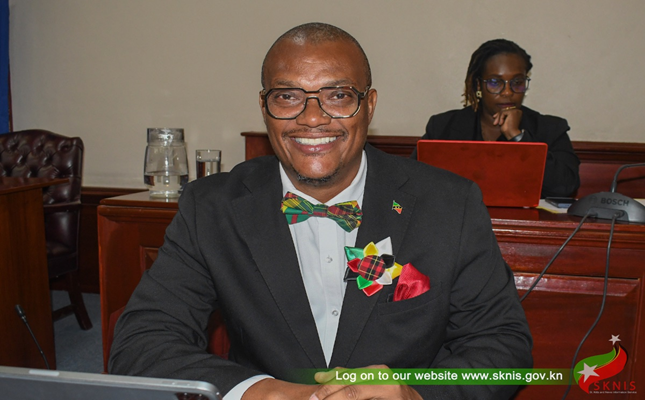
Presenting the Liquor Licence (Amendment) Bill 2026 to the National Assembly on September 18, Acting Prime Minister Dr. Geoffrey Hanley outlined that the core goal of the legislative changes is to eliminate unnecessary administrative red tape that has disproportionately hurt small operators, including neighborhood bars, family-owned restaurants, small independent hotels, local convenience stores and other micro-enterprises that rely on alcohol sales for a significant share of their revenue.
Under the current regulatory framework, all liquor licence holders are required to make an in-person appearance at the Magistrate’s Court every January to complete their annual licence renewal – a requirement that remains in place even when there are no public objections to renewal and no outstanding issues that require judicial review. Dr. Hanley emphasized that this mandatory court appearance carries a steep, avoidable cost for small, owner-operated businesses. “For a sole trader, a day at the Court is a day with the doors closed and a day’s takings lost,” he told lawmakers.
The proposed reforms address two key pain points of the existing system. First, the amendments will replace the single annual January licensing sitting with four scheduled quarterly sittings held each January, April, July and October. This change eliminates the long waiting period that new businesses have previously faced: under the old rule, an entrepreneur that missed the January application window could be forced to wait nearly a full year before they could legally begin selling alcohol, delaying their business launch and cutting into potential early revenue.
Second, for existing licence holders seeking renewal with no outstanding objections and no judicial order requiring their appearance, the amendments will remove the mandatory in-person court attendance rule. Instead, these operators will be able to collect their renewed licence directly from the Magistrate’s Court Office, skipping the need for a court appearance entirely.
Crucially, Dr. Hanley stressed that the regulatory changes do not weaken existing public safety safeguards governing alcohol sales. All existing rules related to grounds for licence refusal, mandatory closing hours, defined offences and associated penalties remain completely unchanged. Law enforcement and members of the public also retain their full legal right to object to any new licence application or renewal request, maintaining the current system of checks on irresponsible alcohol sales.
“This Bill is part of this government’s wider effort to make public services work for the people who use them,” Dr. Hanley said. “It saves the time of business owners. It saves the time of our Courts. And it does so without any new cost to the Treasury and without any reduction in public safety.”
The proposed reforms were developed after months of collaborative consultation with key stakeholders, including the Office of the Chief Magistrate, the Commissioner of Police and the Ministry of National Security, to ensure the changes would function smoothly for both businesses and regulatory bodies.
Dr. Hanley added that the amendments form one part of the government’s broader national agenda to improve the overall ease of doing business across Saint Kitts and Nevis, with a particular focus on removing barriers that hold back the growth of small and medium-sized enterprises, which form the backbone of the country’s local economy.