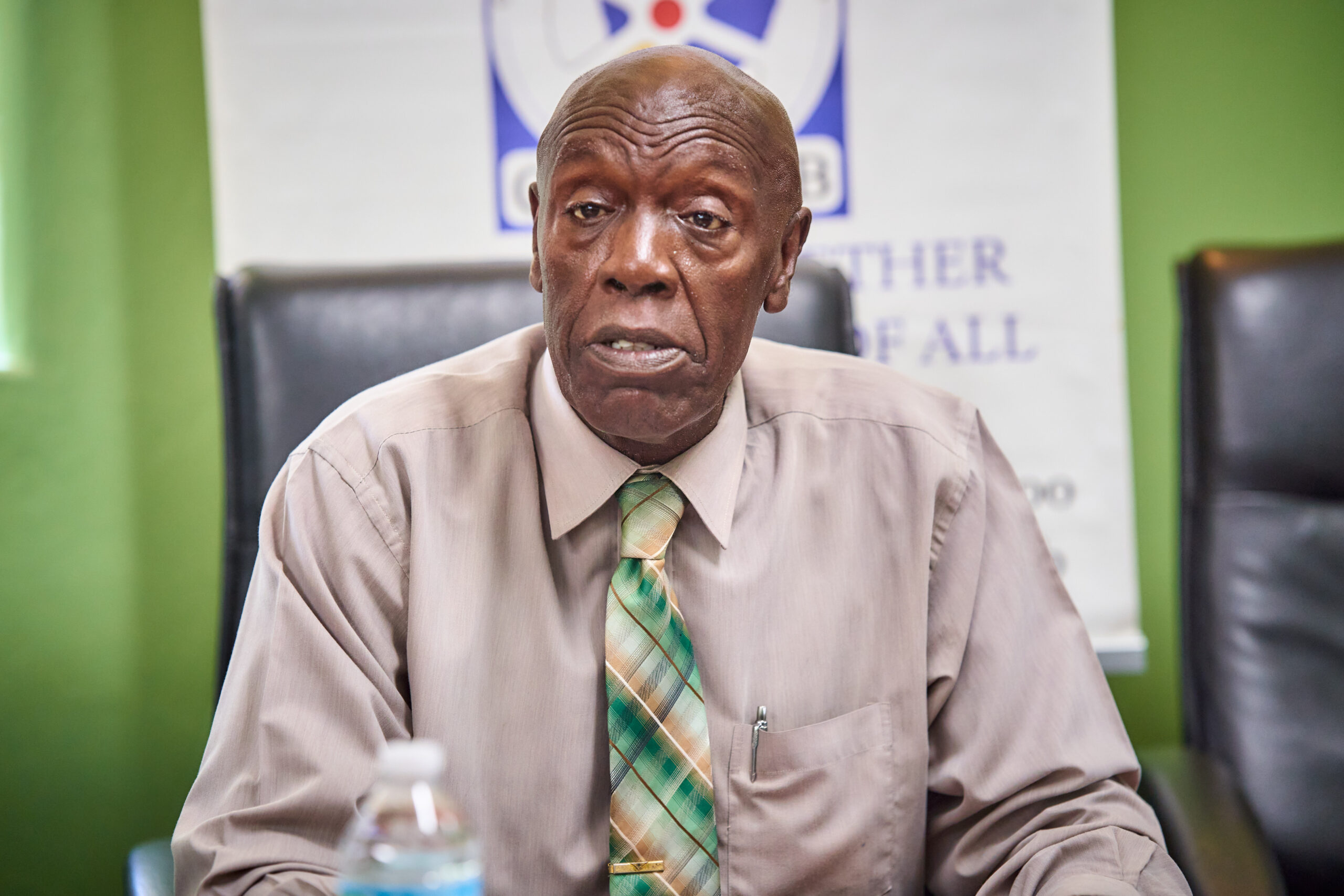
After four decades of dedicated service to the global labour movement, Dennis De Peiza has officially vacated his role as general secretary of the Congress of Trade Unions and Staff Associations of Barbados (CTUSAB), leaving behind a set of critical recommendations for the future of organized labour in the Caribbean nation. In an exclusive confirmation with local media outlet Barbados TODAY, the long-serving union figure confirmed he chose not to stand for re-election during the organization’s recently concluded 31st Biennial Delegates Conference, bringing his tenure in the top leadership post to a close.
Reflecting on his decades-long career advocating for workers’ rights, De Peiza framed his departure as a natural and necessary step in any leader’s journey. “It’s time…everybody has to know [when] to move on,” he stated, emphasizing that his exit from the general secretary role does not signal a complete break from the movement he has served for most of his professional life. The veteran trade unionist made clear he will remain engaged in the CTUSAB’s work in a variety of advisory and supporting capacities, reaffirming his unwavering “commitment and support to the Congress of Trade Unions and Staff Associations of Barbados and to the cause of labour”.
As he prepares to step back from day-to-day leadership, De Peiza is calling on the broader Barbadian trade union movement to undertake a critical self-examination and reframe its core priorities. While he stopped short of harsh public criticism of existing union structures, he stressed that a fundamental re-evaluation of union purpose is long overdue. “I am not going to throw the unions under the bus, but I’m going to say that the unionism in Barbados needs to have a look, a rethink, and we have to focus on what is the agenda for the unions,” he explained.
In De Peiza’s view, the movement’s central mission must always remain centered on advancing the interests of working people and contributing to inclusive national development. “It cannot be on anything else but the causes of workers and what’s good for the country,” he said, repeating that workers’ interests must remain the non-negotiable top priority, even as leaders account for the broader social and economic ripple effects of the movement’s actions. Beyond refocusing on core mission, he warned current union leaders against the growing threat of outside interference that has impacted organized labour globally. He urged leaders to stay vigilant against external infiltration, emphasizing that the movement exists to serve the collective good of workers, not individual ambitions or outside agendas. “One has to bear in mind that we have to be wary of the influences, external influences, that are infiltrating the labour movement across the world. Our leaders have to be vigilant. They have to be respectful of the fact that it is not about individuals, it’s about the cause, and therefore it is not about self, it is about the collective,” he noted.
One of the most pressing challenges De Peiza highlighted is the ongoing failure of many unions to build intentional, effective succession pipelines. He called the lack of robust succession planning “a big problem” for the movement globally, and argued that Barbadian unions must proactively mentor younger activists and create pathways for them to step into leadership roles. Simply recruiting young people to participate is not enough, he stressed: emerging leaders must be given meaningful, substantive responsibility and trusted to grow into their roles without excessive overmanagement from veteran leaders. “When you start to give me a responsibility and you want to do it yourself, then clearly you really don’t have confidence and trust in me, and that creates a problem for the relationship,” he explained, adding that a lack of trust between senior leaders and emerging talent undermines the entire development process.
De Peiza concluded by noting that building a sustainable future for the labour movement does not require discarding the hard-won knowledge of past generations. He argued that leaders must balance the need for new perspectives and fresh leadership with the preservation of institutional wisdom accumulated over decades of organizing and advocacy. “We have to focus on those and see how we can make the best pathways so that we can keep the movement alive and hopefully don’t throw out the baby with the bathwater. Always remember wisdom. There’s always institutional knowledge, and there’s always wisdom that comes through experiences,” he said.