Nearly 400 years after enslaved African ancestors were forcibly transported across the Atlantic to toil on Caribbean sugar plantations, a groundbreaking initiative to turn the long-held dream of diaspora repatriation to Africa into official policy is set to be tabled this week. On Thursday, delegates and civil society representatives at the Third CARICOM Regional Conference on Reparations, hosted in Barbados, will review a pilot resettlement scheme jointly developed for Jamaica and Ethiopia that prioritizes Rastafarian and other Caribbean diaspora communities seeking to relocate.
The proposal, crafted by the Ethio-Africa Diaspora Union Millennium Council (EADUMC) alongside regional partner organizations, lays out a structured, actionable framework designed to move repatriation from abstract conversation to government-endorsed reparatory justice policy. At its core is the Jamaica-Ethiopia Pilot Programme, developed in close collaboration with the Jamaica Rastafari Development Community, which will act as a real-world test case for future large-scale resettlement efforts.
The pilot is designed to connect Caribbean diaspora members with the long-established Rastafari community already based in Shashamane, Ethiopia. To ensure relocated people can build stable, self-sufficient new lives, the initiative will draw additional financial and community support from aligned diaspora groups in the United States and United Kingdom.
Organizers of the proposal frame this submission as the logical next step following the foundational discussions held at the first two CARICOM reparations conferences, held in 2013 and 2014. They are calling on Caribbean regional leaders to move past symbolic recognition of the need for reparations and implement concrete, measurable progress aligned with CARICOM’s updated 10-point reparations plan.
In EADUMC’s official submission to the conference, the organization emphasized: “Repatriation is the central implementation issue. The third conference can now establish the legal, institutional, financial and community-governance pathway needed to move from recognition to a measurable Jamaica–Ethiopia Pilot.”
To launch the pilot, advocates have outlined a 12-month planning phase focused on addressing practical barriers to relocation. During this period, organizers will work to guarantee secure legal status, access to land, and viable livelihood opportunities for all volunteers who choose to relocate. The framework also prioritizes cross-regional technology and skills sharing, and mandates transparent, accountable tracking of all program funding to prevent mismanagement.
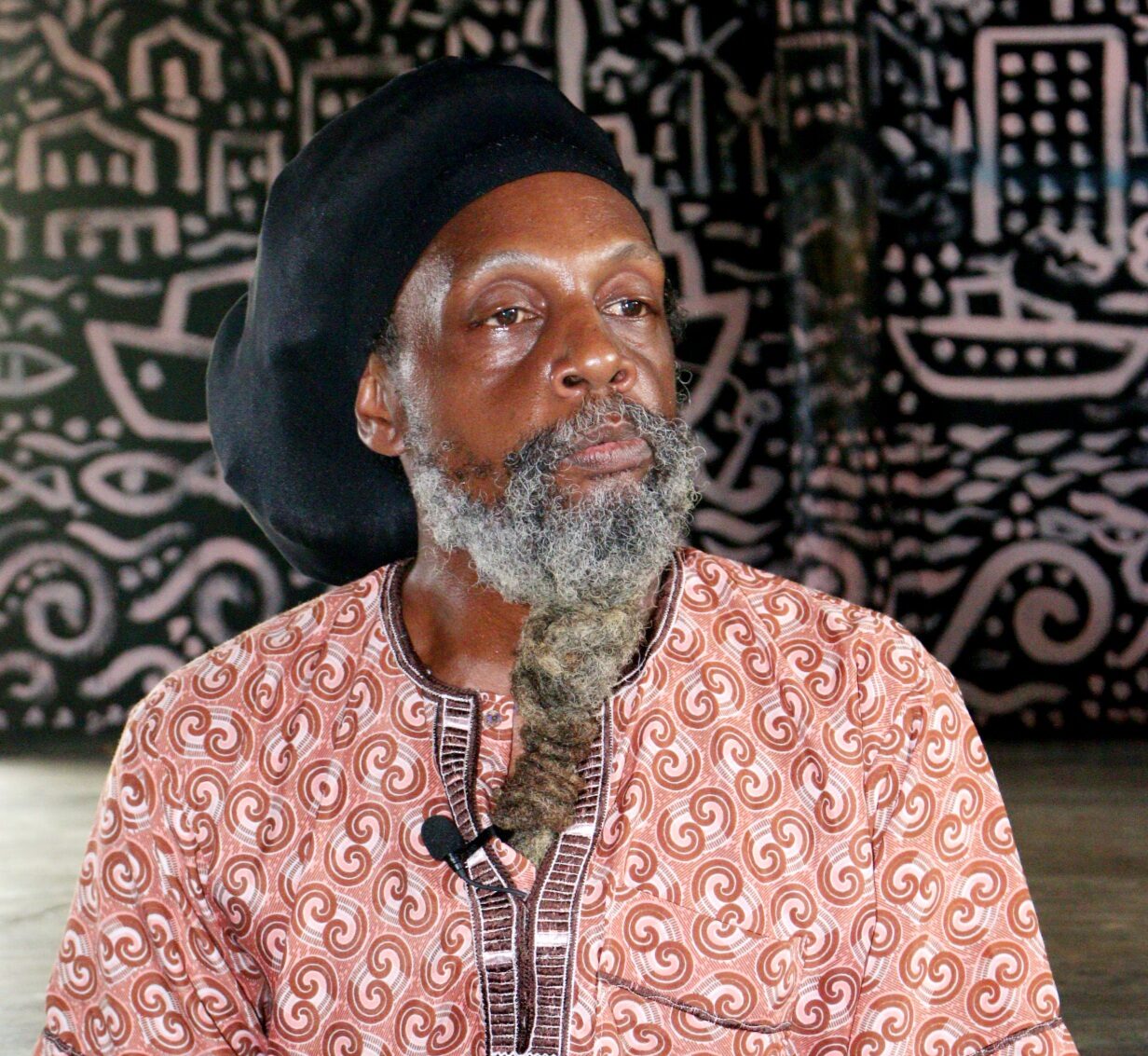
Barbadian Rastafarian community representative Paul Ras Simba Rock will serve as the official spokesperson for the proposal, leading advocacy for the plan during civil society sessions and roundtable discussions across the conference, centering Caribbean voices in the diplomatic push for action.
EADUMC has laid out four clear demands for CARICOM leaders ahead of the conference. First, the organization asks delegates to formally approve its framework as the official blueprint for repatriation. Second, it calls for a technical review of the Jamaica-Ethiopia Pilot to be completed within 90 days of the conference. Third, it advocates for the creation of a joint working group bringing together CARICOM and the African Union to oversee all resettlement activities, with a permanent voting seat reserved for Rastafari community representatives at the table. Finally, the group is pushing for the pilot to be formally incorporated into CARICOM’s 2027–2031 regional Action Plan.
The architects of the framework have stressed that the entire process must prioritize safety and ethical governance, with strict protections for Rastafari cultural rights and guarantees that community members will retain genuine decision-making power over the program’s operations, rather than being treated as symbolic tokens of reparations.
The full proposal was developed under the leadership of EADUMC General Secretary Prophet Greg and Intellectual Property Consultant Maxine Stowe. Stowe, who has spearheaded much of the policy design work, has been nominated to fill the post of Cultural Ambassador to the Reparatory Justice Framework, a position previously held by legendary Jamaican reggae icon Bunny Wailer, who passed away in 2021. For advocates gathered in Bridgetown, this proposal marks the beginning of a new era for reparatory action, turning a centuries-old dream of return into tangible, structured progress.