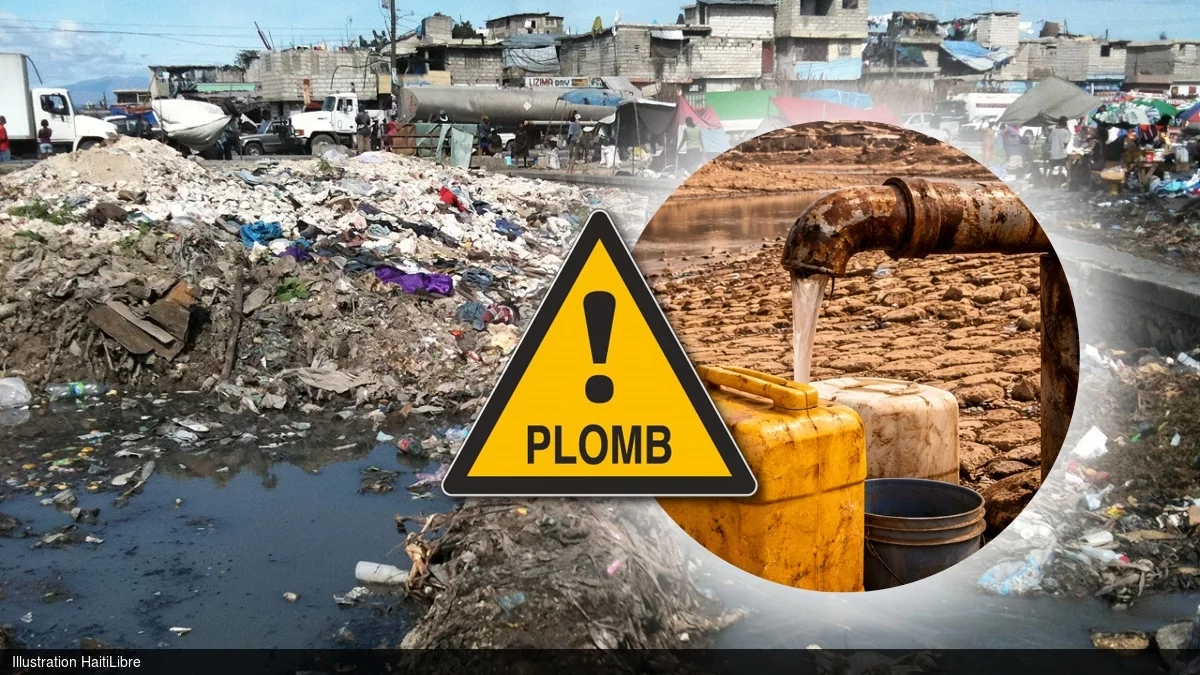
A newly released public health assessment has uncovered a severe, underreported crisis in Haiti: widespread lead contamination of the country’s drinking water that far surpasses international safety thresholds, triggering urgent calls for regulatory and infrastructural reform.
Published by local researchers in September 2026, the analysis found the average lead concentration in Haitian drinking water sits at 65 micrograms per liter (µg/l), with peak measurements reaching as high as 90 µg/l. For context, the World Health Organization (WHO) sets a maximum safe allowable limit of just 10 µg/l, meaning the most contaminated samples in Haiti have nine times the lead that global health guidelines deem safe.
Lead researcher Henry Robert Duclair, a scholar at Quisqueya University, has identified three overlapping root causes that have created this ongoing public health threat. First, decades-old water distribution infrastructure across much of the country still relies on lead-based pipes, which leach the toxic metal directly into the water supply as the pipes degrade over time, according to additional analysis from environmental group Haiti Climat. Second, poor management of waste and agricultural resources has contaminated the country’s groundwater reserves: poorly maintained septic tanks, unregulated raw wastewater discharge, unlined landfills, and widespread overuse of chemical fertilizers all leach pollutants, including lead, into underground drinking water sources. Third, Duclair emphasizes that Haiti’s lack of strict, enforced regulatory frameworks to monitor and control drinking water quality has allowed the crisis to grow unnoticed and unaddressed for years.
Currently, Haiti has no binding national regulations governing lead levels in drinking water, nor any systematic monitoring mechanism to track the quality of groundwater reserves that supply much of the country’s population. Contamination is particularly severe in the capital city of Port-au-Prince, where the majority of residents rely on local water networks and groundwater sources for daily consumption.
Public health officials warn that ongoing exposure to elevated lead levels carries severe, long-term health consequences. Chronic lead poisoning is linked to increased risk of hypertension and life-threatening cardiovascular disease, causes permanent kidney damage over time, and carries severe neurotoxic effects that can permanently harm cognitive development in children and cause neurological damage in adults. Haiti’s Ministry of Health has been urged to ramp up vigilance and launch immediate intervention efforts to address the contamination before it causes a widespread public health disaster.