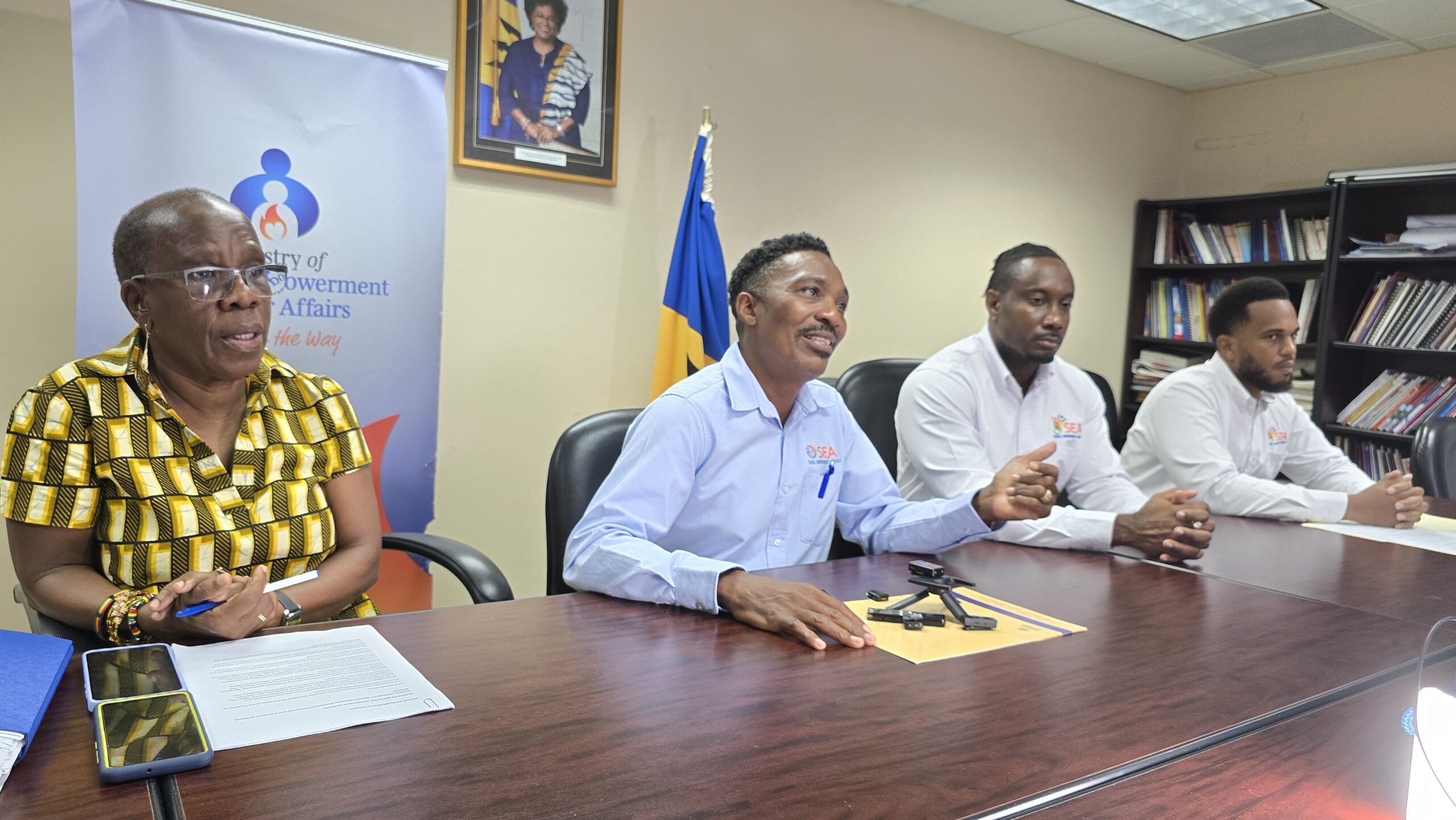
In a push to modernize social welfare delivery and address recent service disruptions, Barbados’ Social Empowerment Agency (SEA) will transition 5,000 National Assistance Grant beneficiaries from paper cheque disbursements to direct bank deposits, People Empowerment and Elder Affairs Minister Adrian Forde confirmed during a Friday press briefing.
The policy shift comes in the wake of recent cheque-printing failures that left thousands of vulnerable recipients unable to access critical financial support on time. Forde emphasized that continuing to rely on outdated paper-based systems is no longer practical for a 21st-century social safety net, framing the transition as both the ethically correct and operationally appropriate step forward for the agency, which merged the island nation’s former standalone welfare and child care services.
The rollout will unfold gradually over the coming months, with government officials stressing there is no rigid deadline to force beneficiaries to adapt. To streamline registration, SEA has developed a custom barcode system and digital registration portal. Starting next week, every affected client will receive mailed correspondence outlining the transition, alongside a pre-generated form to submit banking details. A QR code will also be included for tech-savvy recipients to complete registration online, while those who prefer hard copies can drop off filled forms at three designated SEA locations: Southern Plaza, Six Roads, and Benthams in St Lucy. On-site support will be available at all SEA branches for any recipients who need help filling out their forms.
Forde clarified that the government will not rush the process, noting that officials are committed to partnering with recipients to deliver a seamless transition regardless of which banking institution they use. He also publicly encouraged beneficiaries to use BimPay, the Central Bank of Barbados’ national digital payment platform, to manage their funds. To address widespread concerns about data privacy, SEA Network Administrator Jerome Phillips confirmed that all beneficiary banking and personal information will be stored on an encrypted database, with all sensitive data hashed and sorted to block unauthorized access.
The transition is currently limited exclusively to National Assistance Grant recipients, but SEA Director RoseAnn Richards noted that if the rollout proves successful, the direct deposit system could be expanded to the agency’s educational assistance program in the future. To support recipients who do not currently hold a bank account, Forde said SEA will partner with participating commercial banks and credit unions to help unbanked beneficiaries open accounts, with all administrative support provided by the ministry. Beneficiaries who feel uncertain or uncomfortable with digital banking are also invited to book one-on-one consultations at any SEA location to discuss their concerns.
Forde set a voluntary target of completing the full transition by the end of December 2024, and added that the shift to direct deposits carries an unexpected social benefit: it will help reduce the long-standing social stigma attached to receiving public welfare assistance. Unlike paper cheques that clearly mark funds as welfare disbursements, direct deposits into personal bank accounts are private, meaning recipients do not have to disclose their benefit status to third parties when accessing their money.
“We have created this process to meet people where they are,” Forde said. “There is no pressure to rush, and we are here to work through every barrier alongside beneficiaries to make this change work for everyone.”