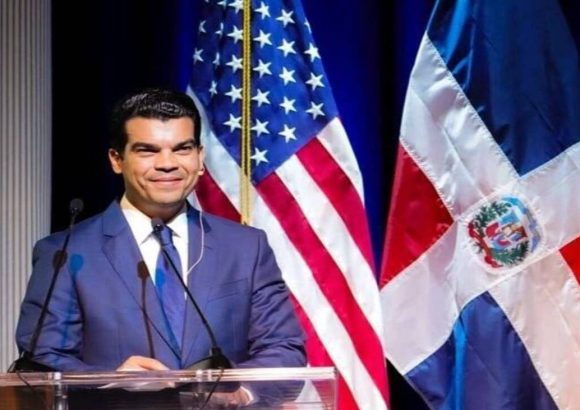
This Thursday, September 10, the Dominican Republic is set to share its key advances in drinking water access and coastal sanitation initiatives at a high-profile extraordinary gathering of the Inter-American Council for Integral Development (CIDI), a core governing body of the Organization of American States (OAS), hosted at OAS headquarters in Washington, D.C.
Leading the country’s presentation will be Wellington Arnaud, executive director of the Dominican Republic’s National Institute of Drinking Water and Sewerage (INAPA). Arnaud will center his remarks on the nation’s ongoing Coastal Water and Sanitation Program, outlining on-the-ground results that have expanded access to clean drinking water, upgraded critical sanitation infrastructure, and strengthened protections for both coastal communities and fragile marine ecosystems across the country.
Organized around the overarching theme “Clean Water, Strong Communities, a More Resilient Hemisphere,” the meeting is designed to serve as a collaborative platform for regional stakeholders. Representatives from across OAS member states will gather to exchange firsthand implementation experiences, map out shared challenges, and co-develop actionable solutions to pressing cross-border issues related to water access, sanitation infrastructure, and community-level climate resilience.
Beyond Arnaud’s core presentation, the event will feature opening and contextual remarks from several senior regional leaders. These include OAS Secretary General Albert Ramdin, Sir Ronald Sanders — who currently serves as CIDI President and Antigua and Barbuda’s Permanent Representative to the OAS — and Mayerlyn Cordero Díaz, the Dominican Republic’s own Ambassador and Permanent Representative to the organization.
As one of the OAS’s principal standing organs, CIDI counts all OAS member states among its membership. Its core mandate centers on advancing targeted cooperative development projects that drive inclusive integral development across the Americas and cut systemic poverty in vulnerable regions. This meeting aligns directly with that mission, focusing on one of the hemisphere’s most pressing public and environmental priorities.
After the formal presentations conclude, all participating national delegations will have a dedicated space to pose questions, share their own national perspectives, and debate collaborative pathways forward. Organizers frame the gathering as a critical opportunity to deepen regional coordination and build partnerships that deliver scalable, sustainable water and sanitation solutions for communities across the Western Hemisphere.