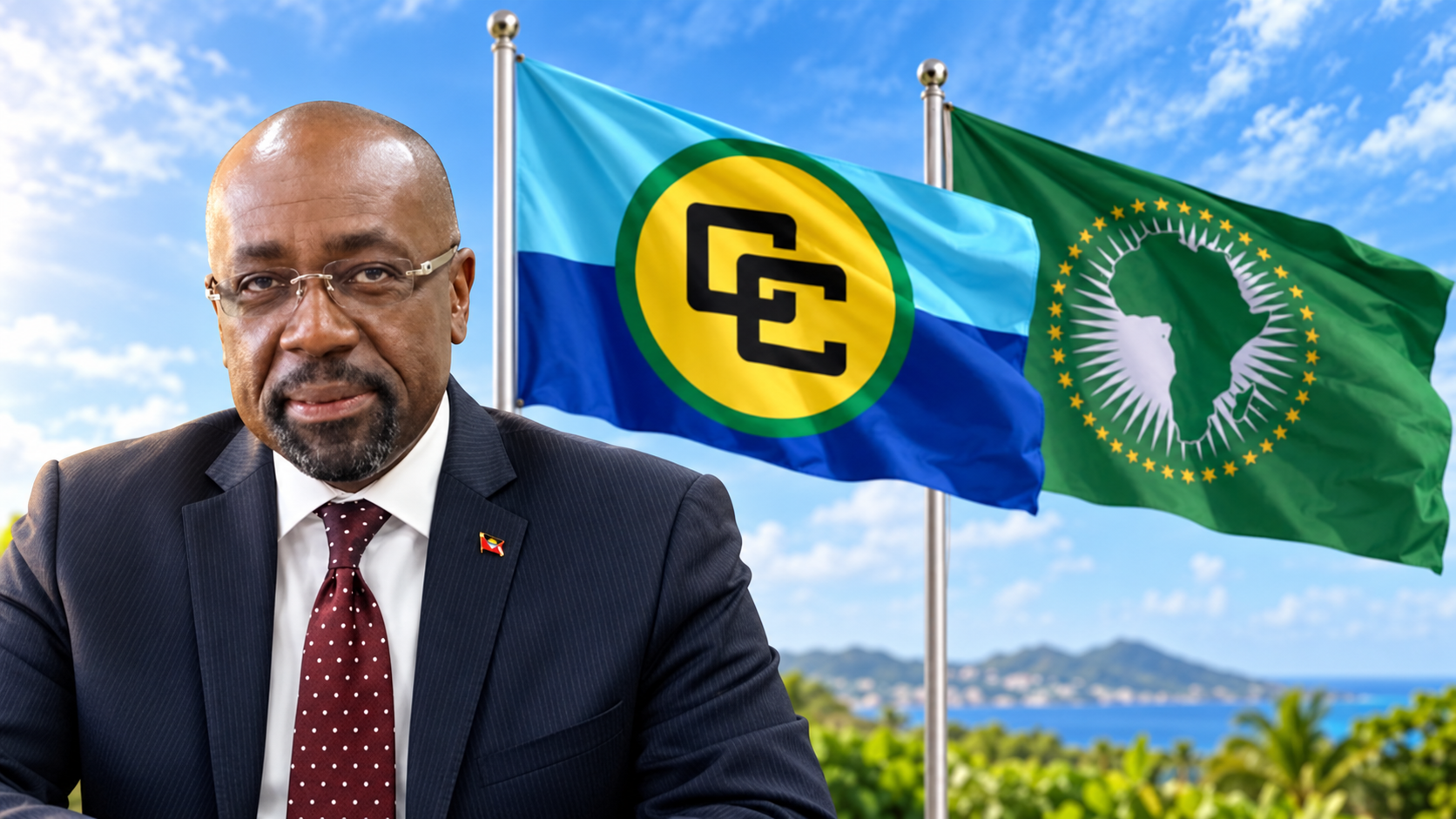
As Antigua and Barbuda prepares to mark the 2026 observance of Africa-CARICOM Day, Foreign Affairs Minister E.P. Chet Greene is issuing a urgent call to turn decades of collaborative aspiration into tangible, mutually beneficial progress by expanding trade, investment, travel and cultural connections between the African continent and the Caribbean region.
In an official statement released Sunday, Greene emphasized that the long-standing relationship between the two regions must outgrow purely symbolic alignment and deliver measurable socioeconomic gains to the everyday people of both blocs. He highlighted under tapped economic potential that could transform regional economies, calling on stakeholders on both sides to unlock the roughly US$15 billion in untapped agricultural trade and work toward hitting a total two-way trade target of US$1.8 billion by 2028.
To reach these ambitious but achievable goals, Greene laid out a clear policy roadmap: governments across both regions must prioritize creating an enabling environment for private sector growth, overhaul outdated and inefficient trade logistics networks, and expand access to affordable financing and global market opportunities for small and medium-sized enterprises—with a particular focus on ventures led by young entrepreneurs, who represent the future of both regions.
Greene identified four high-impact sectors primed to deliver inclusive mutual growth: sustainable agriculture, utility-scale renewable energy development, the sustainable blue economy, and competitive cross-border financial services. Beyond economic cooperation, he pushed for tangible improvements to people-to-people connectivity, starting with the establishment of direct air routes between major African and Caribbean hubs. He noted that the recently implemented visa-waiver agreements between CARICOM states and Ghana, Kenya, and Benin mark an important first step toward easier travel, but much more remains to be done. “The visa waivers are a start, but we must now invest in direct air links to make travel seamless,” Greene said.
The minister also called for expanded people-to-people cooperation outside of economic and infrastructure spheres, advocating for increased cultural and educational exchange programs and a renewed focus on sports diplomacy through popular shared sports including cricket, track and field athletics, and football.
Reflecting on the origins and meaning of Africa-CARICOM Day, which is observed annually on September 7, Greene described the commemorative date as a lasting tribute to the shared ancestral roots, collective resilience, and shared commitment to regional unity that bind the two regions together. He credited Antigua and Barbuda Prime Minister Gaston Browne with first introducing the proposal for the official commemorative day back in 2021, crafted specifically as a framework to drive consistent, structured cooperation between Africa and the Caribbean Community (CARICOM).
Greene emphasized that the connection between the two regions stretches far beyond formal diplomatic alignment, rooted in the shared trauma of the transatlantic slave trade and the generations-long determination of African and Caribbean peoples to overcome the persistent, systemic inequalities that are the legacy of that crime against humanity. In line with this shared history, the minister renewed longstanding calls for reparatory justice, urgent climate justice for small island developing states most vulnerable to climate change, multilateral debt relief for low- and middle-income nations across both regions, and the repatriation of stolen cultural heritage held by institutions in the Global North.
He pointed to the upcoming third Regional Conference on Reparations, organized by the CARICOM Reparations Commission and scheduled to take place September 17–19 in Barbados, as a critical upcoming opportunity to strengthen coordinated cross-regional advocacy for these shared priorities. Greene stressed that unified collective action in global multilateral forums gives African and Caribbean nations far greater negotiating leverage to push for systemic reform of global governance, building a more equitable and inclusive international system that centers the needs of Global South nations.
“The bonds between Antigua and Barbuda and the continent of Africa are unbreakable,” Greene said. “Let us ensure that this partnership moves from aspiration to measurable action, transforming our shared history into a prosperous and connected future.”