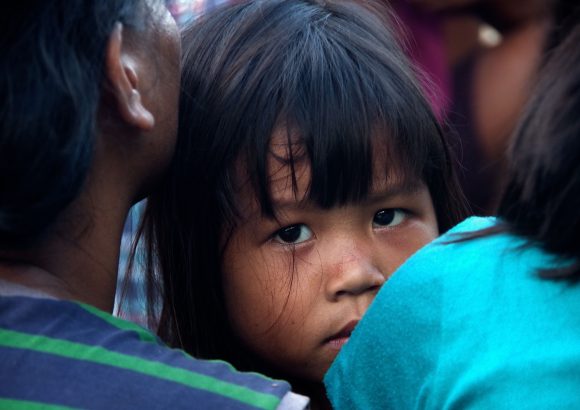
On the United Nations International Day of Police Cooperation this year, the global police coordination body Interpol issued an urgent, stark warning: child sexual exploitation is rapidly evolving into an ever-expanding transnational threat, and nations must ramp up collaborative international action and cross-border law enforcement work to shield children and other at-risk groups from harm.
In his address marking the annual observance, Interpol Secretary General Valdecy Urquiza highlighted that transnational criminal activity is on the rise, making coordinated action between national jurisdictions an absolute necessity rather than an option. Urquiza stressed that child sexual abuse and exploitation ranks among the most abhorrent, complex challenges facing law enforcement agencies worldwide. Without coordinated global effort, he noted, identifying surviving victims and holding offending perpetrators accountable will remain out of reach for many communities.
A key tool powering global efforts to combat this crisis is Interpol’s International Child Sexual Exploitation (ICSE) database, launched in 2011. In the 15 years since its deployment, the platform has delivered transformative results: authorities across 75 countries have used it to identify 65,181 child victims and 26,840 perpetrators. Even in 2026 alone, by the end of July, the database had helped locate nearly 5,800 new child victims – a statistic that underscores the persistent, widespread scale of the ongoing threat.
Interpol emphasized that the criminal networks behind child sexual exploitation often operate in tandem with other transnational illicit activities, including human trafficking, cybercrime and organized crime. These criminal groups deliberately exploit gaps in cross-border information sharing to evade capture, meaning that coordinated investigation and open data exchange between nations are non-negotiable for breaking up these networks and protecting vulnerable populations.
Framing his appeal around this year’s International Day of Police Cooperation theme – “Protecting against vulnerability: building trust and legitimacy in policing” – Urquiza reaffirmed that stronger cross-border collaboration is the only way for law enforcement to effectively respond to complex, multi-jurisdictional crimes. More integrated global cooperation, he argued, not only improves outcomes in tackling child sexual exploitation but also strengthens public trust in policing institutions across the world.