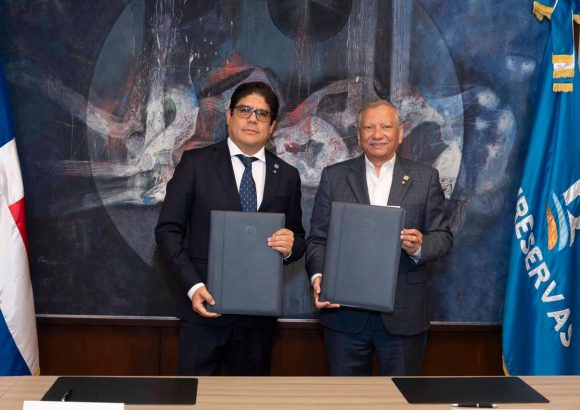
A landmark new collaboration between three key institutions is set to drive transformative change across the Dominican Republic’s agricultural landscape, launching a $20 million (RD$1.18 billion) targeted financing mechanism to advance sector modernization and resilience. The partnership brings together the Dominican Republic’s central financial institution, Banreservas, the United Nations Food and Agriculture Organization (FAO), and the national Ministry of Agriculture to tackle longstanding challenges and build on the country’s recent progress in food security.
Under the terms of the agreement, each partner brings unique strengths to the initiative: Banreservas will anchor the effort by providing the core financing, the Ministry of Agriculture will ensure all funded projects align with the country’s established national agricultural development priorities, and the FAO will contribute decades of global technical expertise and cross-border best practice. In addition to financial backing, the partnership will grant project stakeholders direct access to FAO’s network of top national and international agricultural specialists, who will deliver targeted technical support across a range of critical areas, including sustainable crop and livestock production, climate-resilient agricultural innovation, and structured agricultural investment planning.
The funding will be allocated to projects that advance a shared set of priorities, with a focus on expanding farm mechanization, scaling next-generation agricultural technologies, improving the efficiency of water and natural resource management, building adaptive capacity to climate change, and boosting overall sector productivity. Eligible project proposals include everything from precision agriculture systems and new productive agricultural infrastructure to advanced water management frameworks, on-farm renewable energy deployment, post-harvest food loss reduction, and end-to-end value chain development – all designed to lift the sector’s competitiveness and operational efficiency. The mechanism is also structured to address pressing systemic challenges facing Dominican agriculture, from widespread labor shortages and growing climate-related disaster risks to the urgent need for broad-based productivity gains.
This investment comes at a pivotal moment for the Dominican Republic, which has already achieved landmark progress in eliminating hunger. According to FAO data, the country cut the prevalence of undernourishment to less than 2.5% by July 2026 – a threshold low enough that the Dominican Republic will no longer be listed on the UN body’s global Hunger Map. The new partnership is designed to lock in these hard-won food security gains while driving long-term sector transformation.
Francisco Oliverio Espaillat Bencosme, the Dominican Republic’s Minister of Agriculture, called the partnership a tangible, game-changing step toward accelerating the modernization and mechanization of the country’s farms. “We are building a more modern, productive, profitable and competitive agriculture,” Espaillat Bencosme noted, adding that expanded access to affordable financing, cutting-edge technology, targeted training, and expert technical support will empower local producers to raise output, cut operational costs, and mitigate the impact of persistent labor shortages. He emphasized that broader technology adoption will also reinforce the country’s ongoing progress in protecting and expanding food security for all Dominican residents.
The financing mechanism launches with an initial allocation of approximately RD$1.18 billion, with built-in flexibility to expand funding in the future to support additional high-impact investments across the country’s agri-food sector. The entire initiative is aligned with the FAO’s globally recognized “Four Betters” framework: better production, better nutrition, a better environment, and a better life. Moving forward, the three partner institutions will work to translate this funding and expertise into tangible, lasting progress, building a more sustainable, efficient, and food-secure future for the Dominican Republic.