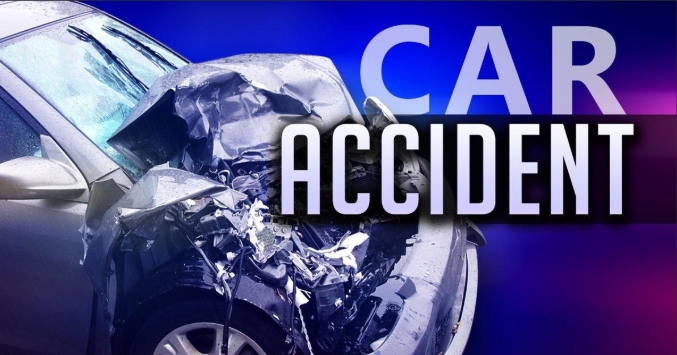
The small Caribbean nation of Antigua and Barbuda is grappling with an ongoing road safety crisis, after official data revealed that more than 1,300 traffic collisions were recorded across the country in the first six months of 2026. Local law enforcement has warned that despite a tiny year-over-year drop in crash numbers, the current figure remains unacceptably high for the country’s population and geographic scale.
Superintendent Elson Quammie, a senior police official overseeing traffic enforcement, confirmed that the total number of collisions between January and June 2026 reached 1,306. This marks a marginal decrease of just 20 incidents from the same period in 2025, when 1,326 crashes were documented across the nation. While Quammie acknowledged that any reduction in collisions is a welcome shift, he emphasized that 1,300 crashes in just half a year is far too many for a country of Antigua and Barbuda’s size.
Worryingly, the number of fatalities linked to road incidents held steady year-over-year: four people lost their lives on Antigua and Barbuda’s roads in the first half of 2026, matching the death toll recorded in the first six months of 2025.
Quammie outlined the key behavioral factors driving the persistent high collision rate, starting with tailgating, a longstanding issue that he says is responsible for most rear-end crashes. Drivers who fail to maintain a safe stopping distance between their vehicle and the car ahead put all road users at risk, he explained. Other common, preventable causes include speeding, distracted driving from mobile phone use, failure to yield right of way, and motorists pulling onto main roads without properly checking for oncoming traffic.
In a public appeal to road users, Quammie urged all drivers to reduce their speed, practice greater patience on the roads, and proactively confirm that their driving licenses, vehicle insurance, and other required documentation are kept up to date and valid.
The senior official also drew specific attention to growing road safety risks on the smaller island of Barbuda, where sustained economic growth and infrastructure development have led to a sharp rise in both private passenger cars and heavy-duty commercial vehicles on local roads. Quammie noted that as vehicle numbers continue to climb, Barbuda will need to adopt the stronger traffic enforcement, clear road signage, and other evidence-based safety protocols that have already been implemented on the larger island of Antigua.
Despite operating with constrained personnel and resources, Quammie reaffirmed that Antigua and Barbuda’s police force remains fully committed to bringing down collision numbers and eliminating preventable road deaths across both islands.