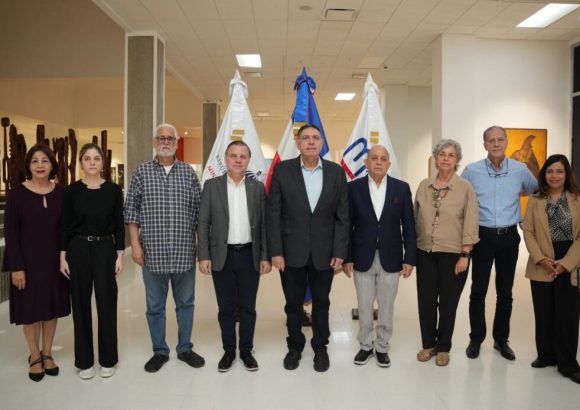
The Caribbean nation of the Dominican Republic has been confirmed as the official host of the 12th Ibero-American Meeting of Museums, a landmark regional gathering scheduled to run from September 14 to 16, 2026, in Santo Domingo. This will mark the first time the quadrennial event has been hosted on Dominican soil, bringing hundreds of museum leaders, heritage conservation specialists, cultural policymakers, and sector professionals from across the Ibero-American region together for three days of collaborative dialogue and knowledge sharing.
Organized jointly by the Dominican Ministry of Culture, the country’s General Directorate of Museums, and the long-standing Ibermuseums Program, the meeting carries forward a legacy that stretches back to 2007, when the first gathering was convened. Today, the event stands as the Ibero-American region’s preeminent forum for cross-border cooperation, technical knowledge exchange, and collaborative design of inclusive, forward-thinking public policies for the museum sector.
Centered on the unifying theme “Shared Heritages, Common Futures,” the 2026 meeting will tackle a broad range of pressing challenges currently shaping the future of cultural institutions worldwide. Core discussion topics include the celebration of global heritage diversity and strategies to deepen meaningful social engagement with local communities, the transformative impact of artificial intelligence on how museums frame and share cultural narratives, and the urgent need to protect biocultural territories amid growing climate change risks.
A host of leading regional and international institutions have stepped forward to support the 2026 gathering, including the Spanish Agency for International Development Cooperation, Dominican cultural hub Centro León, Banco Popular Dominicano, the Indotel Center, and the Banreservas Cultural Center.
Beyond the triennial meeting, the Ibermuseums Program maintains a continuous, far-reaching impact across the region. The network currently unites 22 Ibero-American nations, and delivers ongoing support to more than 10,000 museums through cross-border collaborative projects, professional development training, open knowledge exchange initiatives, and advocacy for public policies that advance equitable, sustainable growth for the cultural sector.