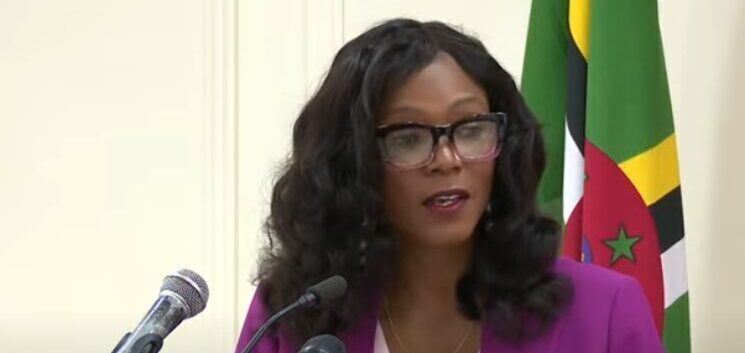
As the Caribbean island nation of Dominica kicks off its annual Month of the Elderly observances, the government has publicly restated its ongoing dedication to elevating the quality of life for the country’s senior population. Speaking to journalists at the official launch event hosted by the Dominica Council on Ageing on Tuesday, Dr. Cassandra Williams, Minister of State in the Ministry of Health, Wellness and Social Services, outlined the full suite of targeted government programs designed to expand social support for older citizens across the country.
Williams emphasized that these ongoing initiatives have long been anchored as core components of the administration’s national social protection strategy, with all programs formally retained in the 2023/24 national budget as key support mechanisms for Dominica’s vulnerable population groups. The major ongoing efforts include the widely accessed Yes We Care Programme, general public assistance grants, the Non-Contributory Pension for adults aged 65 and older, the Centenarian Programme, and targeted funding for non-governmental and community institutions that deliver frontline care services to seniors.
Of these interventions, the Yes We Care Programme has emerged as a critical community-focused resource, delivering in-home support to elderly and vulnerable residents who struggle to complete daily tasks independently. Program services range from support with personal hygiene and meal preparation to help with routine household chores, addressing both practical needs and the widespread issue of social isolation among seniors by providing regular companionship for participants. According to earlier government data, 161 seniors currently receive ongoing assistance through the program, which receives an annual operational allocation of approximately $1 million.
Another cornerstone of the country’s elderly social safety net is the Non-Contributory Pension, which the government expanded in recent years by lowering the minimum qualifying age from 70 to 65, opening up access to thousands of additional older adults who require financial support.
Beyond outlining existing government policies, Williams used the launch event to issue a public appeal to all Dominican citizens, both on the island and in the large diaspora community overseas. She stressed that government assistance programs should not be seen as the sole source of support for the country’s older population, urging families, friends and local communities to take an active role in caring for older relatives, neighbors and peers. Williams encouraged people across the country to carve out consistent time to engage with seniors, offer practical help where it is needed, and honor the decades of experience and foundational contributions that older generations have made to Dominica’s social and economic development.
This year’s Month of the Elderly, which centers the theme “Empowering Elder Voices for an Inclusive Future,” frames the government’s appeal for collective action around seniors’ rights and inclusion as a core part of its national agenda for the event.