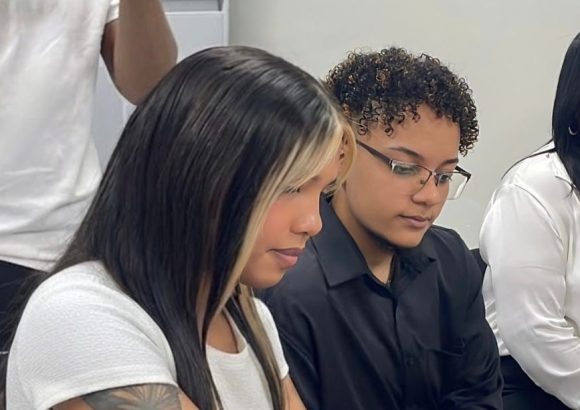
SANTO DOMINGO — In a historic moment for LGBTQ+ rights in the Caribbean, a trans man and a trans woman in the Dominican Republic have achieved the first legally registered marriage between two trans people recognized under their self-identified gender identities. Jayden Resto Holguín and Regina Balaguer de Resto, popularly known as “Reina de Coronas,” completed their formal marriage registration with the country’s Central Electoral Board (JCE), marking a watershed moment for trans community visibility.
The pair’s romantic connection first sparked on social media platforms, where they spent four months building a bond through long-distance conversation before meeting face-to-face. After building a life together for two years, the couple made the decision to formalize their union, setting a target wedding date of May 2026 and immediately launching the lengthy process of securing legal recognition for their marriage.
According to Balaguer de Resto, the road to legal marriage was far from smooth. The couple faced repeated obstacles and what they allege to be appearance-based discrimination throughout the application process. They were bounced between multiple government offices with no clear guidance, and endured what they describe as overt transphobic treatment from multiple administrative staff during the required paperwork steps.
Throughout the challenging process, the couple received critical advocacy, support and guidance from two leading trans rights organizations: TRANSSA (Trans Siempre Amigas) and the Human Rights Observatory for Trans People (ODHPT). Both groups have publicly congratulated the couple, framing the successful registration as a critical breakthrough for broader recognition of trans families and their fundamental human rights in the country. COLESDOM, another Dominican LGBTQ+ advocacy organization, also joined in celebrating the union as an unprecedented milestone for the national queer community.
Despite the widespread pushback they encountered during bureaucratic procedures, Balaguer de Resto noted that the civil official who ultimately officiated their marriage ceremony treated the couple with full dignity and respect.
For Holguín and Balaguer de Resto, this legal recognition extends far beyond a personal victory. The couple frames their marriage as a transformative step forward for the entire Dominican trans community, creating an opening to continue pushing for the full range of equal rights that remain out of reach for LGBTQ+ people across the nation.
“This is just the beginning,” Balaguer de Resto affirmed, emphasizing the couple’s unwavering determination to keep organizing and advocating for full legal recognition and equal treatment for all trans and queer Dominicans.