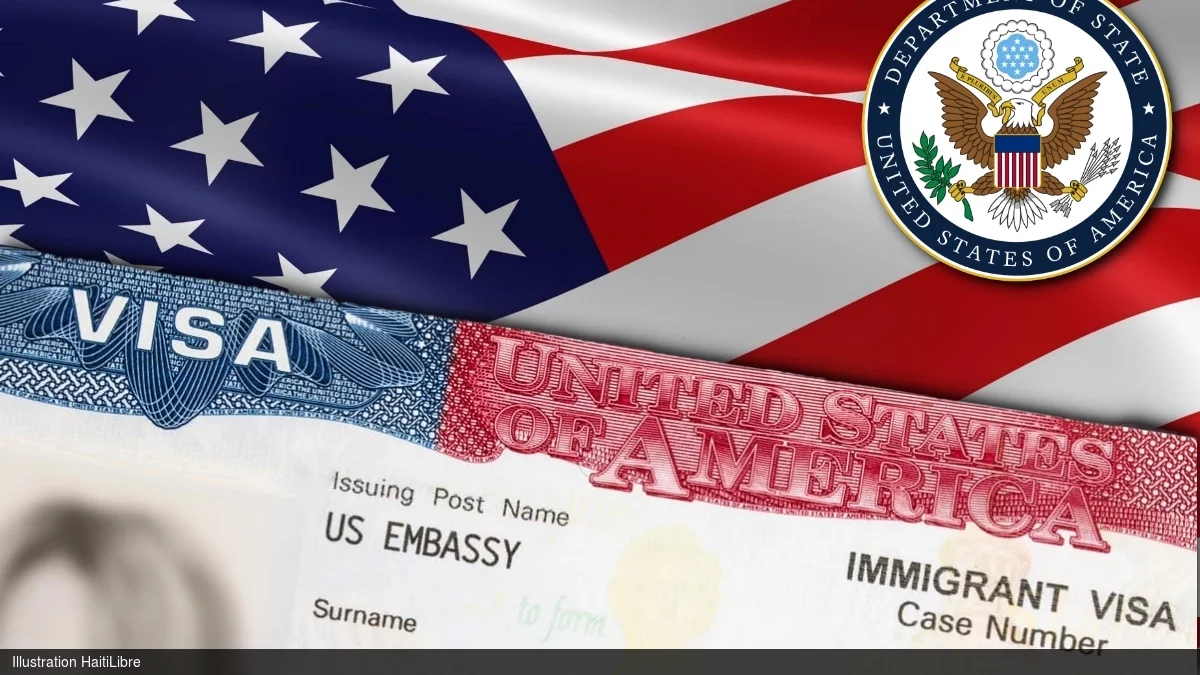
In a landmark legal decision that upends a months-long immigration restriction, a U.S. federal judge has struck down a Trump administration policy that halted immigrant visa processing for nationals of 75 countries—including crisis-stricken Haiti—based solely on their nationality. The ruling, issued by Judge Jeannette Vargas on August 21, 2026, has ended the suspension that had been in place since January 2026, clearing the way for eligible visa applicants from the affected nations to resume submitting applications and attend scheduled consular interviews.
The challenged policy was rooted in the Trump administration’s framework targeting nationals it labeled as high risk for becoming dependent on U.S. public assistance. President Trump has repeatedly emphasized that incoming immigrants must be financially self-sufficient to avoid placing undue fiscal strain on U.S. government resources and American taxpayers. In response to the court’s ruling, the U.S. State Department has launched a full-scale review of all visa screening and vetting protocols, with the stated goal of updating procedures to prevent immigrant visa holders from improper access to welfare benefits while complying with the court’s order.
The full list of affected countries includes Afghanistan, Albania, Algeria, Antigua and Barbuda, Armenia, Azerbaijan, Bahamas, Bangladesh, Barbados, Belarus, Belize, Bhutan, Bosnia and Herzegovina, Brazil, Myanmar, Cambodia, Cameroon, Cape Verde, Colombia, Ivory Coast, Cuba, Democratic Republic of the Congo, Dominica, Egypt, Eritrea, Ethiopia, Fiji, Gambia, Georgia, Ghana, Grenada, Guatemala, Guinea, Haiti, Iran, Iraq, Jamaica, Jordan, Kazakhstan, Kosovo, Kuwait, Kyrgyzstan, Laos, Lebanon, Liberia, Libya, Moldova, Mongolia, Montenegro, Morocco, Nepal, Nicaragua, Nigeria, North Macedonia, Pakistan, Republic of the Congo, Russia, Rwanda, Saint Kitts and Nevis, Saint Lucia, Saint Vincent and the Grenadines, Senegal, Sierra Leone, Somalia, Sudan, South Sudan, Syria, Tanzania, Thailand, Togo, Tunisia, Uganda, Uruguay, Uzbekistan, and Yemen.
Not all applicants from these nations were affected by the original suspension, and key exemptions remain in place following the court’s ruling. Dual citizens who hold a valid passport from a country not included on the 75-country list are fully exempt from the now-rescinded restriction. For children adopted by U.S. citizens, eligibility for exceptions—including national interest exceptions outlined in Presidential Proclamation 10998—still applies. Adoptive American families are instructed to follow standard adoption procedures: submitting visa applications and completing required consular interviews, with national interest exceptions reviewed on a case-by-case basis without additional steps from applicants.
Importantly, the administration confirmed that no existing immigrant visas were revoked under the suspended policy. The U.S. State Department has advised individuals with questions about U.S. admission eligibility to contact the Department of Homeland Security for further guidance, as the review of screening policies continues to move forward in line with the court’s decision.