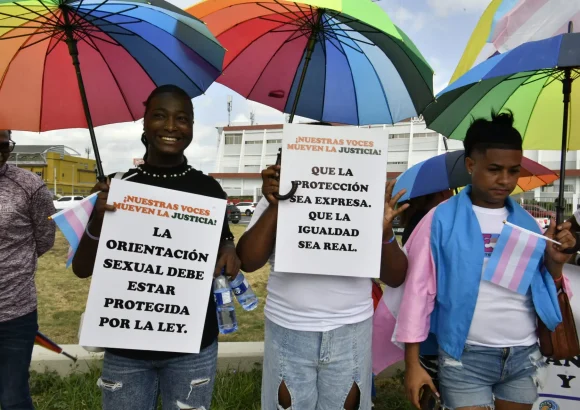
SANTO DOMINGO — A coalition of leading LGBT+ rights organizations in the Dominican Republic has launched a formal legal challenge before the country’s Constitutional Court, pushing to fix what they call a critical gap in the newly enacted national Penal Code. At the center of the dispute is Article 173, the statute that codifies penalties for discriminatory conduct across the country.
The coalition presented its arguments during a public hearing for an unconstitutionality action filed against the current text of Article 173. Rights advocates emphasize that the provision outlines criminal penalties for discrimination rooted in a range of personal attributes — including sex, skin color, age, disability, nationality, religious belief and political affiliation — carrying sentences of two to three years of imprisonment alongside financial fines. Yet notably, the text fails to explicitly name sexual orientation as a protected ground against discriminatory acts.
Organizations behind the legal action include Colesdom, Diversidad Dominicana, Amigos Siempre Amigos (ASA), Trans Siempre Amigas (Transsa), Casa Quisqueyana, Revasa, Proactividad and TEPA. Representatives of these groups stress that their lawsuit does not seek any special or exclusive rights for LGBT+ Dominican people. Instead, their core demand is targeted legal reform that would deliver clearer, more robust legal protections against bias and unfair treatment.
Advocates warn that the current legislative omission creates dangerous legal ambiguity, opening the door for inconsistent, arbitrary interpretations of anti-discrimination law that could leave LGBT+ people without meaningful recourse when targeted for bias. They note that systemic discrimination against sexual and gender minority groups remains an ongoing, tangible crisis across the Dominican Republic, pointing to empirical evidence from the 2020 National LGBT+ Survey. That landmark study documented widespread vulnerabilities for LGBT+ people across every sector of public life, including routine exclusion from employment, unlawful denial of public and private services, pervasive bullying in educational and community spaces, high rates of family rejection, and systemic barriers to accessing equal justice under the law.