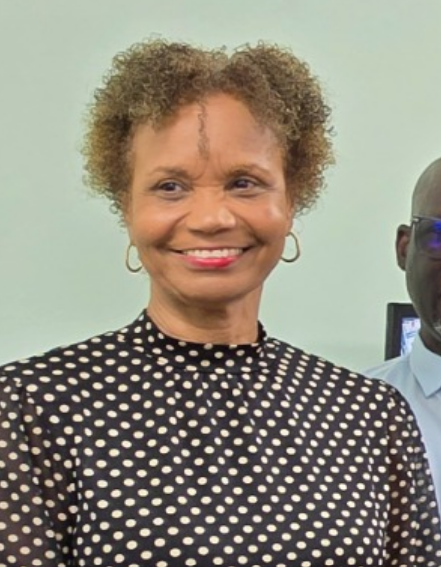
As the 2024 academic year approaches in just three weeks, Barbados’ Social Empowerment Agency (SEA) is already gearing up for one of its busiest annual periods, with more than 2,900 requests for back-to-school financial support already logged by the organization. SEA Executive Director Colleen Walcott shared details of the agency’s preparations in an interview with Barbados TODAY, outlining how the non-profit is shifting its operational focus to meet surging demand for educational assistance.
Walcott explained that the window from July through mid-September consistently ranks as the highest-traffic period for the SEA, as the organization prioritizes getting eligible children the support they need to start the school year without financial barriers. “Over the next two months, alongside all our ongoing core services, our primary priority is educational assistance — we’re focused on getting support to families as quickly as possible to make sure no child starts the school year unprepared,” Walcott said.
Demand has gotten off to a particularly strong start this year, with 700 new applications submitted in the first full week of open enrollment alone. That figure only accounts for direct community applications, Walcott clarified, and does not include students receiving support through partnered initiatives such as the One Family program, or assistance for children in residential and foster care systems. Unlike many assistance programs that set a hard early deadline for applications, the SEA keeps enrollment open through mid-September to accommodate late applicants, often referred to as “stragglers,” who may face uncertainty over enrollment status or school placement ahead of the term. Even after the first day of classes, Walcott noted, parents can still submit applications for support.
The majority of requested assistance goes toward covering two core back-to-school costs: textbooks and school uniforms. Unlike programs that distribute restricted retailer vouchers, the SEA provides direct cash assistance to give families full flexibility over where they shop. “If we gave a voucher restricted to a single retailer, that retailer might not have the item a family needs, or another store might offer a lower price,” Walcott explained. “Giving direct monetary support lets families make the choice that works best for their budget and their needs, no strings attached.”
Alongside ramping up back-to-school operations, the SEA is in the middle of a major island-wide service decentralization push designed to reduce overcrowding and wait times at the agency’s central St. Michael headquarters. By expanding community-based access points across Barbados, the organization has already seen a notable drop in pressure on its main office, with growing visitor numbers at regional hubs in Oistins and St. Philip, both strategically located near existing community centers and other public essential services.
The expansion effort hit a major milestone last Friday with the official opening of a new client center in St. Lucy, housed in the renovated Bentham Client Centre. Additional locations are already in the works, with the next regional hub scheduled to open next month in September at Lower Collymore Rock, in the repurposed “Maxwellton” building that previously hosted the National Disabilities Unit. Long-term plans also include a new center at the former Welfare Department office in The Glebe, St. George.
All five planned initial centers are being developed through repurposing and retrofitting of existing vacant government buildings, though future locations will require new construction to meet the SEA’s growing operational needs. Ultimately, Walcott said, the entire expansion project is focused on one core goal: bringing critical social services directly to underserved communities across Barbados, while continuing to reduce the operational burden on the overstretched central St. Michael office.