As the world grapples with a rapidly worsening Ebola crisis centered in the Democratic Republic of the Congo, the United Nations has announced a major expansion of its emergency response efforts, including additional staffing and new emergency funding, to counter the deadliest and fastest-growing outbreak in recorded history.
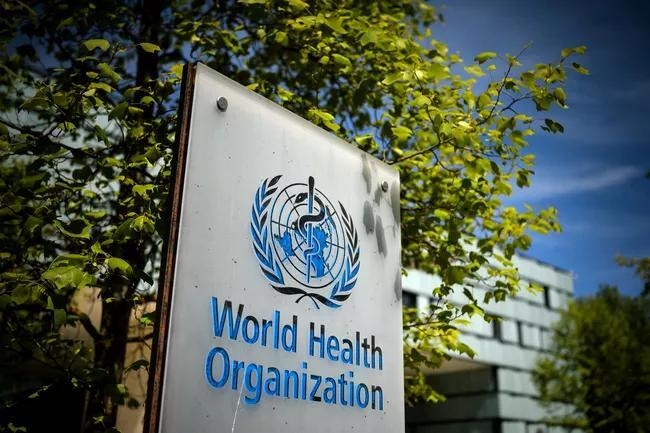
Confirmed cases of the viral disease have now crossed the 4,000 threshold, with the official death toll climbing past 2,100 – a rate that averages one fatality every 30 minutes, according to top UN humanitarian officials. The DRC has remained the epicenter of Africa’s latest Ebola resurgence, with the World Health Organization and partner agencies already working to slow transmission of the hemorrhagic fever, which has a high mortality rate.
In a stark warning issued from Washington D.C., Tom Fletcher, UN Under-Secretary-General for Humanitarian Affairs and Emergency Relief Coordinator, emphasized that the international response must speed up dramatically to match the outbreak’s accelerating spread. “Ebola is winning in the Democratic Republic of the Congo. We cannot let the virus outrun our response,” Fletcher said, adding that the current crisis is unprecedented in its rate of growth. WHO Director-General Dr. Tedros Adhanom Ghebreyesus has previously warned this outbreak is on track to become the deadliest Ebola event the world has ever seen.
Following Fletcher’s convening of an emergency meeting of the Inter-Agency Standing Committee, leaders from the globe’s largest humanitarian organizations reached a consensus to significantly scale up collective international action against the outbreak. Fletcher acknowledged that incremental progress has been made since the UN activated its full humanitarian scale-up in early June 2026. Those advances include stronger on-the-ground leadership, the deployment of a dedicated Senior Ebola Coordinator to streamline cross-agency coordination, and the collection of nearly $300 million in international donor funding for response efforts.
To build on that progress, Fletcher announced an additional $30.5 million in new funding allocated from the UN’s Central Emergency Response Fund (CERF). This new injection of resources follows an initial $24 million CERF package released earlier to support response efforts in the DRC and four neighboring countries at high risk of cross-border transmission. Alongside the new funding, 20 additional experienced personnel have been deployed to frontline response operations to boost on-the-ground capacity.
Despite these expanded commitments, Fletcher stressed that far more action is required from the global community to turn the tide of the outbreak. “We need speed, scale and solidarity before this virus gets even further ahead of us,” he said.
The UN’s revised Ebola response plan prioritizes immediate life-saving action through four core strategic adjustments: doubling the number of teams trained to conduct safe, dignified burials – a critical step in reducing transmission from infected remains – tripling overall treatment capacity for confirmed patients, expanding contact tracing operations to identify and isolate new cases quickly, and deploying additional seasoned emergency managers to coordinate complex response efforts.
Fletcher added that long-term containment also depends on improving access to basic essential services across affected regions, including clean drinking water, sanitation infrastructure, and reliable primary healthcare. With more than 2,000 lives already lost to the virus, he closed by repeating an urgent call for the entire international community to step up action with greater speed and commitment to stop the outbreak before it spreads further beyond the DRC’s borders.