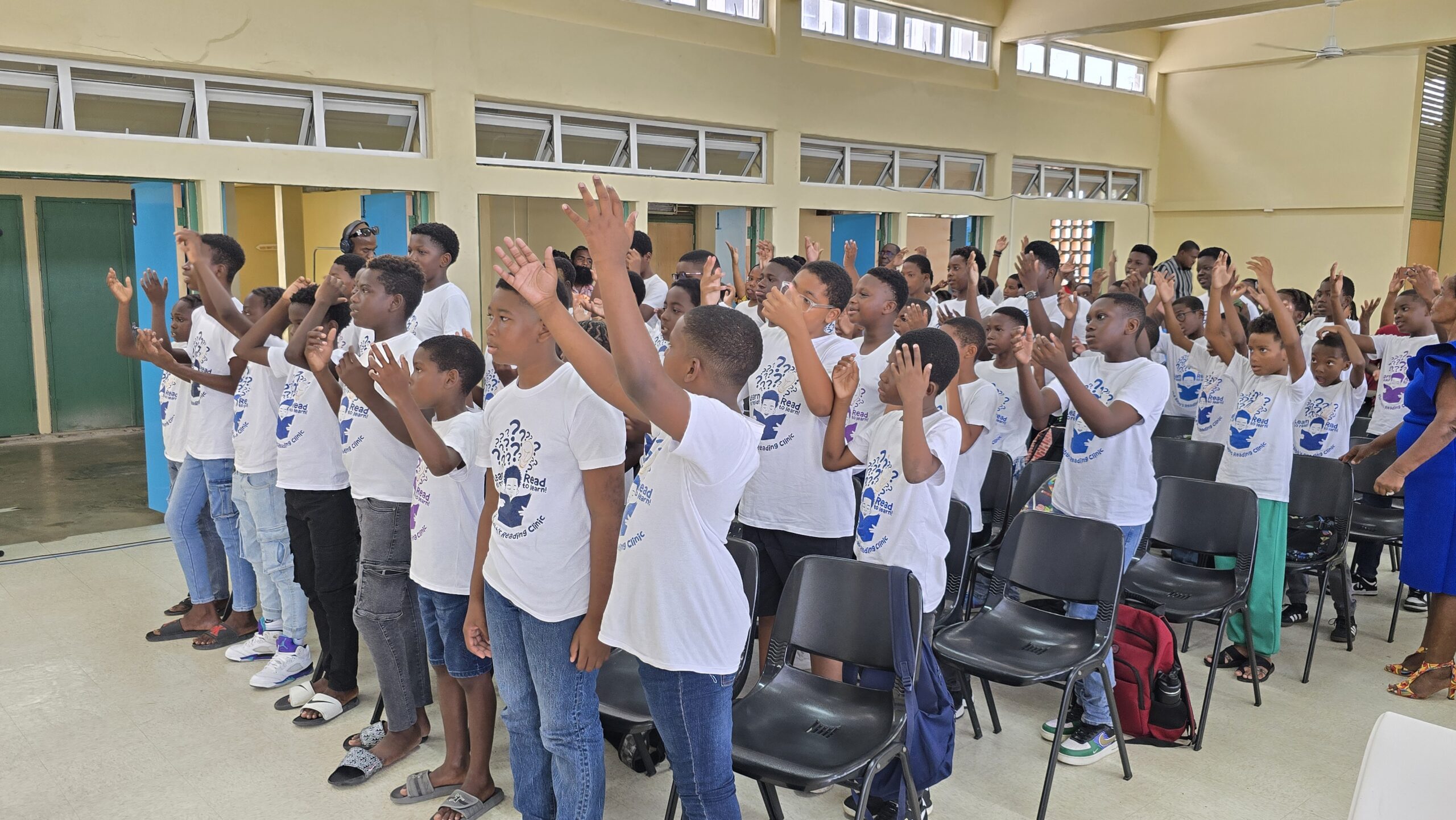
A decades-long literacy specialist and senior education leader in Barbados is pushing for a radical shift in how educators and families approach boys’ reading, arguing that meeting young males where their interests lie — including embracing oft-maligned comic books — is the key to reversing persistent gender gaps in literacy.
Dr. Idamay Denny, deputy chairperson of the Barbados Community College Board of Management and a veteran reading specialist, laid out her vision Friday during the closing ceremony of Babb’s Reading Clinic, warning that inaction on boys’ falling reading performance risks creating long-term economic and social harm for the island nation.
For generations, Denny explained, educators and parents have dismissed comic books as a frivolous distraction, writing off the graphic format as low-quality reading that offers no educational value. But she pushed back hard against that misconception, noting that comics actually build advanced comprehension skills that align with the highest levels of reading literacy taxonomy. Unlike traditional prose that spells out every detail, comic books require readers to infer unspoken meaning, interpret character emotions through visual cues, and predict future plot developments — all higher-order thinking skills that form the foundation of strong reading ability.
“When a boy sits engaged with a comic book, he isn’t wasting time — he’s practicing reading at the most advanced level of cognitive comprehension,” Denny said.
International standardized assessments have consistently documented a troubling trend: boys across contexts trail behind girls in reading proficiency, and along with that performance gap comes a steady erosion of confidence and joy around reading. As daily gaps add up over weeks, months and years, Denny warned, many boys fall so far behind that catching up becomes nearly impossible.
That literacy gap does not stay confined to reading classes, she emphasized: poor reading proficiency undermines performance across every academic subject, creating a cascading cycle of failure that often pushes boys out of school entirely. In Barbados, when students fall too far behind to progress with their age cohort, they are held back — a experience that Denny says inflicts deep psychological damage on growing boys.
“For an older, physically mature boy to be held back and kept in a lower grade with younger peers, that erodes self-worth fundamentally,” Denny said. “Once that confidence is gone, engagement with school vanishes, and many end up dropping out entirely before earning their certification.”
The long-term impacts of widespread dropout among young men extend far beyond individual life outcomes, she warned. Without a secondary school certificate or foundational literacy skills, young men cannot access stable, well-paying employment that allows them to support themselves or their families. This economic marginalization, paired with persistent social stigma and damaged self-esteem, creates conditions that push many young men into harmful activity including street crime and violence.
“This trajectory cannot be allowed to continue,” Denny said. “If a large share of our youth population is locked out of opportunity, that creates generational economic and social disadvantage for our entire country.”
To reverse this trend, Denny laid out a series of actionable steps for educators and parents alike, centered on centering student interest rather than forcing rigid, one-size-fits-all reading material. She urged teachers to administer simple interest inventories to every student, catalog what topics and formats appeal to boys in particular, and actively source reading material that matches those interests — whether that means comic books, sports biographies, car manuals, or action adventure stories. Too often, Denny noted, schools stock reading material that aligns with girls’ interests, leaving boys with no options that resonate with their passions.
For parents, Denny emphasized two core responsibilities: modeling a love of reading, and meeting sons where their interests lie. “Many parents tell me their son won’t read, but they’ve never let their son see them reading themselves,” she said. “Why would a child prioritize reading if they never see the adults in their life engaging in it?” She also urged parents to seek out reading material tied to whatever their son is already passionate about, rather than forcing them to read what adults think they “should” read.
Denny also highlighted the importance of representation: many boys have only female primary and elementary school teachers, so they rarely see adult men modeling reading in educational spaces. To fix this, she said schools and families should intentionally highlight male readers to help boys see reading as a normal, positive activity for people of all genders.
Finally, she called for an end to the common practice of using reading as a punishment for misbehavior, saying that practice trains children to see reading as a chore rather than an enjoyable, rewarding activity. Instead, educators and parents should frame reading as a fun, engaging activity by incorporating games and hands-on activities that help boys see reading as a tool for exploring the things they love.
“If we can make reading feel like fun, not a punishment or a chore, we’re already halfway to closing that gap,” Denny said.