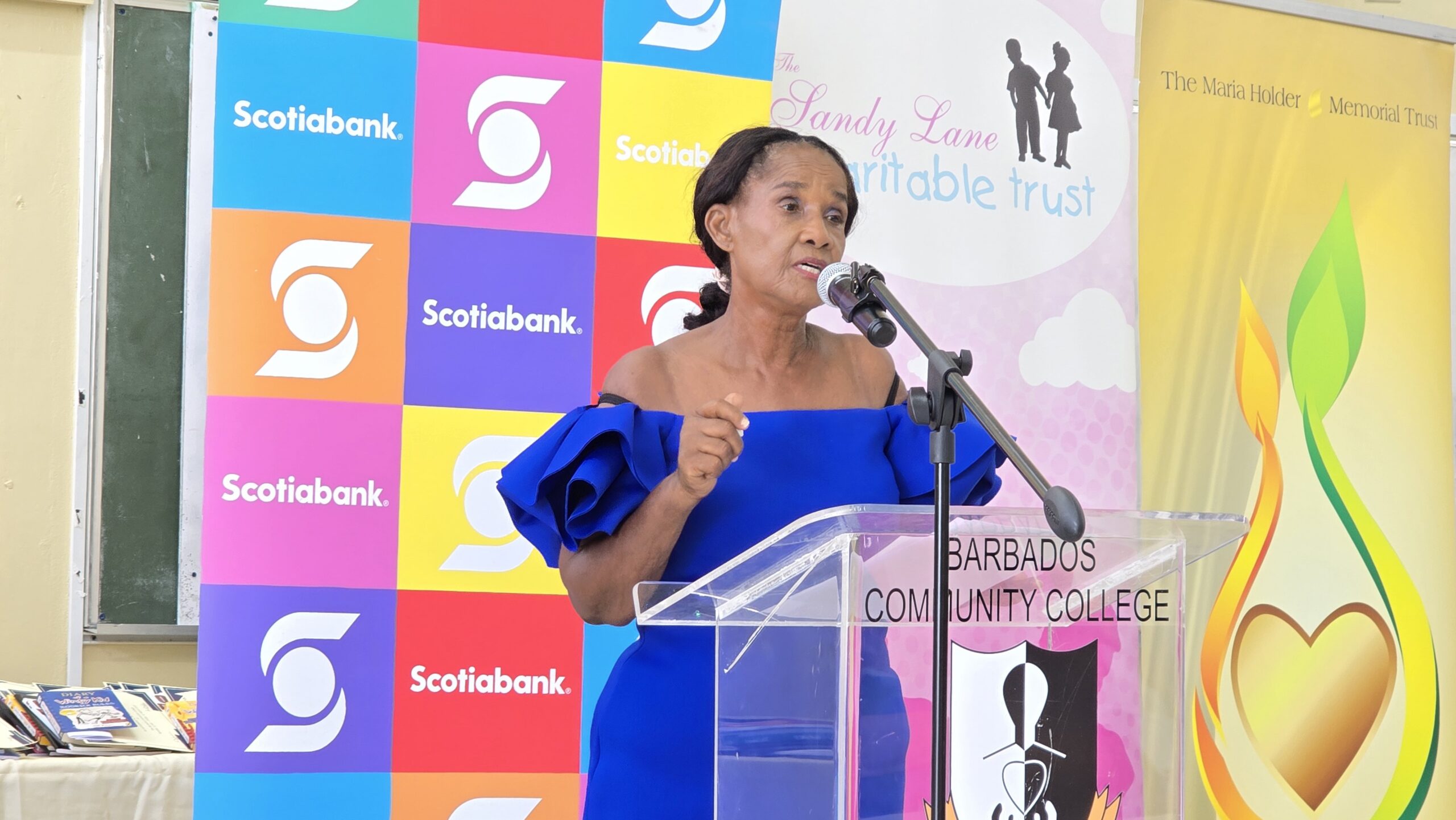
As Babb’s Reading Clinic, a five-week summer literacy intervention focused on supporting boys’ reading skill development, wrapped up its 2024 summer session on Friday, program leaders are celebrating measurable progress for engaged participants while confronting longstanding hurdles that have undermined participation year after year.
The program launched with 125 enrolled boys, but inconsistent attendance and competing activities dragged active participation down to just 89 students by the final week of the clinic. Despite the drop-off, Dr. Astra Babb, founder of the initiative, says she remains encouraged by the gains made by students who completed the full program.
“Many boys have taken real strides in reading,” Babb noted. “Some are now equipped to handle higher-order comprehension questions, and a number of the boys are ready to step confidently into the classroom at their new schools this fall.”
Built on evidence-based instructional frameworks, the clinic centers its curriculum on strengthening two core literacy pillars: word decoding proficiency and reading comprehension. The program integrates structured methodologies including phonics instruction to build understanding of letter-sound relationships, structural analysis to teach prefixes, suffixes and word morphology, and syllabication to help students break words into pronounceable segments.
Even with these proven learning strategies in place, Babb explained that the program faced unavoidable competition from other popular summer youth activities that drove attendance down. Many parents who registered their sons ultimately did not follow through on bringing them to daily sessions, with multiple families reporting their children opted instead to attend sports-focused camps including football, cricket, and cadet training camps. Additional attrition occurred after the third week, when a number of families traveled abroad to visit relatives and did not return for the remainder of the clinic.
Babb added that absenteeism is not the only persistent challenge the clinic faces annually. Behavioral issues and unregulated device use also create significant disruptions to learning. “We encountered boys who were disrespectful toward their teachers and quick to get into conflict with their classmates, and a good deal of our time went into disciplining and counselling,” she said. “We also noted that some boys, often the very ones who most needed to focus on reading, spent much of their free time on their phones playing games.”
As a leading literacy expert, Babb has observed that many of the students struggling the most with reading hide their gaps by imitating peer behavior during classroom reading activities, even as they remain unable to read the text on the page. She also issued a stark warning to parents about the far-reaching developmental impacts of unregulated excessive screen time, beyond its negative effect on reading progress.
“When children are constantly on their phones, they miss out on interacting with other children and on building essential life skills such as self-control, self-efficacy, and creativity, exercising sound judgment and problem-solving,” Babb explained. “Excessive screen time can also expose children to inappropriate adult content. We saw the consequences in the classroom: boys who tuned out from the work taking place at the time and some who became agitated when asked to put away their phones.” Babb emphasized that when used intentionally, technology is a valuable learning tool, but unmanaged device access can cause serious harm to children’s cognitive and social development.
To address these risks, Babb is urging parents to set clear, consistent boundaries around children’s screen time, particularly as students prepare to return to in-person classes for the new school year. She also encouraged caregivers to maintain ongoing open conversations with their children about device use, and to continue prioritizing shared reading at home to reinforce the skills built at the clinic.
Looking ahead, the clinic will launch its next 12-week term on Saturday, September 19, hosted at the Barbados Community College. Unlike the boys-only summer session, the fall term will be open to both boys and girls, running every Saturday morning from 10 a.m. to noon.