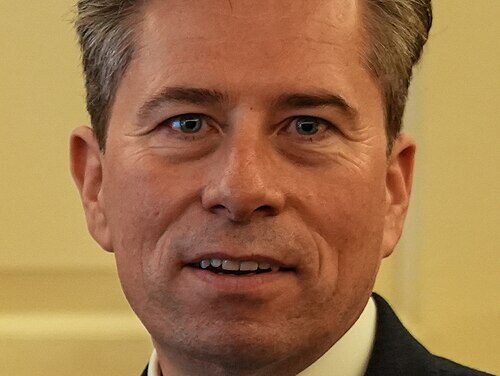
The Ebola epidemic unfolding in the Democratic Republic of the Congo (DRC) is accelerating at an alarming rate, with the United Nations issuing a stark, urgent call for a dramatic expansion of international response efforts to halt the virus’s unchecked spread. On August 14, 2026, UN Under-Secretary-General for Humanitarian Affairs and Emergency Relief Coordinator Tom Fletcher released a formal statement from Geneva, outlining the gravity of the unfolding crisis. Fletcher emphasized that this outbreak is already the fastest-expanding in documented global history, and warned that without immediate, scaled-up intervention, it is on track to become the deadliest Ebola event the world has ever seen.
According to Fletcher, the current mortality rate paints a devastating picture: on average, the virus claims a human life every 30 minutes, pushing the total confirmed death toll past the 2,000 mark as of the statement’s release. Following the alarming escalation, Fletcher chaired an emergency high-level meeting of the Inter-Agency Standing Committee on Friday, where leadership from the world’s largest humanitarian organizations unanimously committed to rapidly bolstering their coordinated response to the crisis.
While Fletcher acknowledged that incremental progress has been made since the UN activated a global collective humanitarian surge in early June, he stressed that these gains are not nearly enough to match the virus’s rapid spread. To date, regional agency leadership has been consolidated, a dedicated Senior Ebola Coordinator has been deployed to the affected zone, and international donors have contributed nearly $300 million in dedicated funding. In a new step to address the gap, Fletcher announced an additional $30.5 million in allocation from the UN Central Emergency Response Fund (CERF) to support frontline operations. This new injection of funding follows a prior $24 million allocation that was distributed to the DRC and four neighboring at-risk countries to prevent cross-border spread of the virus. An extra 20 experienced humanitarian staff have also been sent to join frontline response teams, he confirmed.
Even with these incremental additions to the response, Fletcher made clear that the situation demands far greater urgency from the global community. The UN’s official response plan outlines critical immediate needs: the number of teams conducting safe, culturally appropriate burials – a key measure to cut transmission – must be doubled, treatment facility capacity must be tripled, contact tracing operations must be strengthened, and more senior experienced managers must be deployed to coordinate on-the-ground work. Beyond direct epidemic control, response efforts must also address urgent unmet basic needs across affected regions, including access to clean water, improved hygiene infrastructure, functional healthcare services and other core necessities for impacted communities.
Fletcher framed the UN’s warning as a critical wake-up call for the international community, saying, “We need speed, scale and solidarity before this virus gets even further ahead of us.” He closed his statement with a direct, urgent appeal for global action: “The world needs to wake up, and show up.”