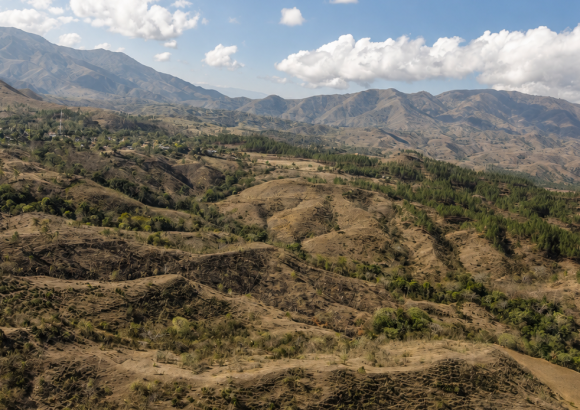
In the coastal Dominican province of Barahona, local community organizations in the El Cachón district are taking a formal stand to protect their regional natural resources from unregulated extractive development. The leaders of the Los Almendros and Reyes Gómez Neighborhood Associations have submitted an official policy proposal to the nation’s Ministry of Environment, pushing for a binding requirement that local residents be given full consultation before any government permits are issued for mining, raw material extraction, or large-scale vegetation clearing in El Cachón’s ecologically sensitive mountain zones.
The community groups have issued a clear warning that moving forward with extractive projects without early and meaningful input from local residents puts critical regional water resources and fragile mountain ecosystems at severe risk. They emphasized that even if a project secures all required legal permits from national authorities, it cannot move forward legitimately without explicit buy-in from the people who live alongside these natural landscapes — what they describe as a necessary “social license” to operate.
Beyond their formal proposal, the associations have organized a public community vigil to be held in the coming days at the exit point of a new road currently under construction in El Cobo, one of El Cachón’s sub-sectors. According to local residents, this road development has proceeded without securing the required environmental and construction permits, and it poses a direct threat to intact forest areas and underground aquifers that supply drinking water to the district.
Community leaders have also leveled specific allegations against local businessman Mayker González, claiming he has already conducted multiple unauthorized extraction projects across different parts of El Cachón that have left lasting damage to the local environment. These documented claims are being included as core evidence in the community’s broader campaign to block further unregulated extractive activity across the district, as residents push for greater local control over decisions that shape their natural environment and long-term livelihoods.