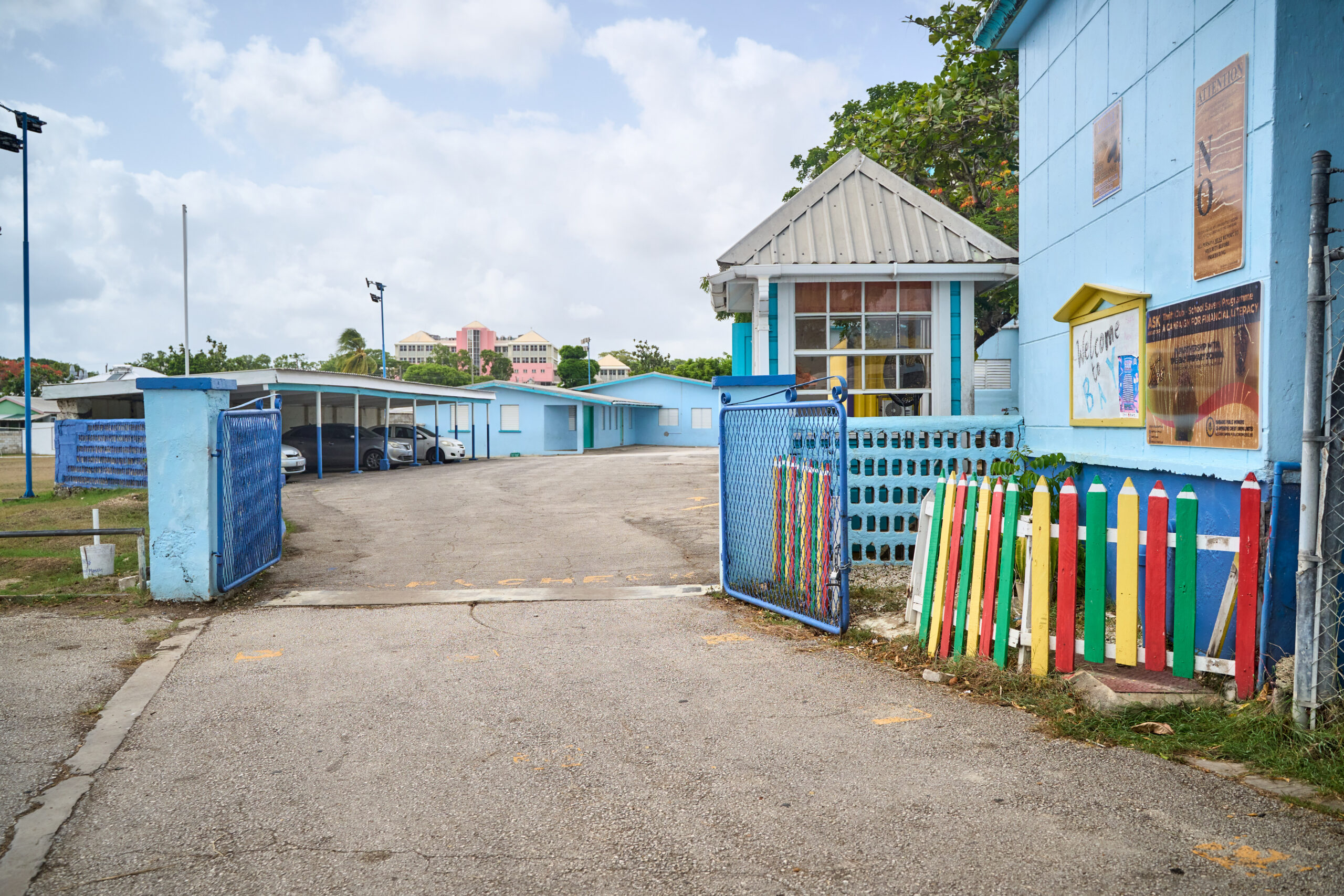
Barbadian Prime Minister Mia Mottley announced Friday that a proposal to rename Bay Primary School in honor of the country’s beloved national hero, cricket icon Sir Garfield Sobers, has already drawn strong early public support, with more than 300 signatures collected to back the initiative. The plan will next be forwarded to the National Honours Advisory Council for formal review.
Sir Garfield, who passed away recently, has deep roots tied to the school and the surrounding Bayland community. He attended the institution’s predecessor, Bay Street Boys’ School, one of the oldest public primary schools on the Caribbean island. The legendary cricketer also honed his skills and earned his first athletic recognition on Bay Pasture, which today serves as the playing field for Bay Primary School after the campus relocated to its current Bayville site in 1958.
Speaking during a formal tribute session in the House of Assembly, where lawmakers unanimously adopted a resolution honoring Sir Garfield, Prime Minister Mottley said she expected widespread backing for the renaming plan across the country. Renaming the school after the local-born global icon, she argued, would create a permanent, generations-long source of inspiration for young students from the community. It would stand as a constant reminder that children born and raised in working-class local communities can achieve extraordinary, world-class success, just as Sir Garfield did.
“There could be no more long-lasting and fitting tribute,” Mottley told the assembled lawmakers.
Beyond the school renaming, the Barbadian government is launching a second project to embed Sir Garfield’s core values in future generations: a pocket-sized collection of life lessons titled *365 Not Out*. Mottley explained that the book will feature one daily insight drawn directly from Sir Garfield’s life experiences and personal character, with a goal of distributing copies to every schoolchild across Barbados by the start of 2026. The prime minister envisions the book becoming a core touchstone in the national education system, ensuring that Sir Garfield’s wisdom outlives him and continues to guide young Barbadians long into the future.
Mottley emphasized that Sir Garfield’s greatest contribution to Barbados extended far beyond the countless athletic records he set during his legendary cricket career. His most enduring legacy, she said, is the belief he instilled in ordinary Barbadians that greatness is within reach for anyone, regardless of their background. “Government can build pavilions, fund programmes, and prepare pitches. But we can’t legislate belief,” she noted. “What Sir Garry did for this country was to make aspiration visible.”
Reflecting on the widespread outpouring of public grief following Sir Garfield’s death, Mottley highlighted the remarkable fact that even 52 years after his final Test match appearance in 1974, the cricket legend remained one of the most respected and beloved figures in the country. Mottley credited his enduring standing to his personal character, rather than his athletic achievements alone: he was known for his quiet humility, often offering gentle encouragement to young emerging cricketers without seeking public recognition for his mentorship.
The prime minister also used the tribute as an opportunity to challenge Barbadians to reevaluate how the nation recognizes greatness, noting that there was public debate in 1998 when the living sportsman was first named a National Hero, with some questioning whether a non-political figure deserved the honor. “We must not believe that the only people capable of greatness are political persons,” she said. “He was never just a cricketer. He was always the greatest of all time. And he was always a Barbadian man exhibiting some of the best values that this country could have.”
Mottley also addressed past unfair criticism of Sir Garfield’s plain-spoken communication style, recalling his response to detractors who judged him for his informal use of English: “I never set out to be the best English speaker in the world.” She used the anecdote to push for greater inclusivity across Barbadian society, noting that too many people are marginalized for not conforming to narrow expectations of speech, appearance, or background. “This country must forever be that place that accommodates people,” she said.
Mottley made clear that both the school renaming and the book project are designed not just to honor Sir Garfield’s legacy, but to create a foundation that encourages the next generation of Barbadian talent to emulate his combination of excellence and humility. “The actions which we take as a government must not be to simply reflect on him and his record, but must always be a platform to see where the next Garry Sobers is going to come from, where the next Robyn Rihanna Fenty is going to come from,” she said.
Following the prime minister’s address, the House of Assembly unanimously approved the resolution honoring Sir Garfield, naming him “an exemplar of excellence, dignity, humility and grace” and extending its deepest condolences to his family.