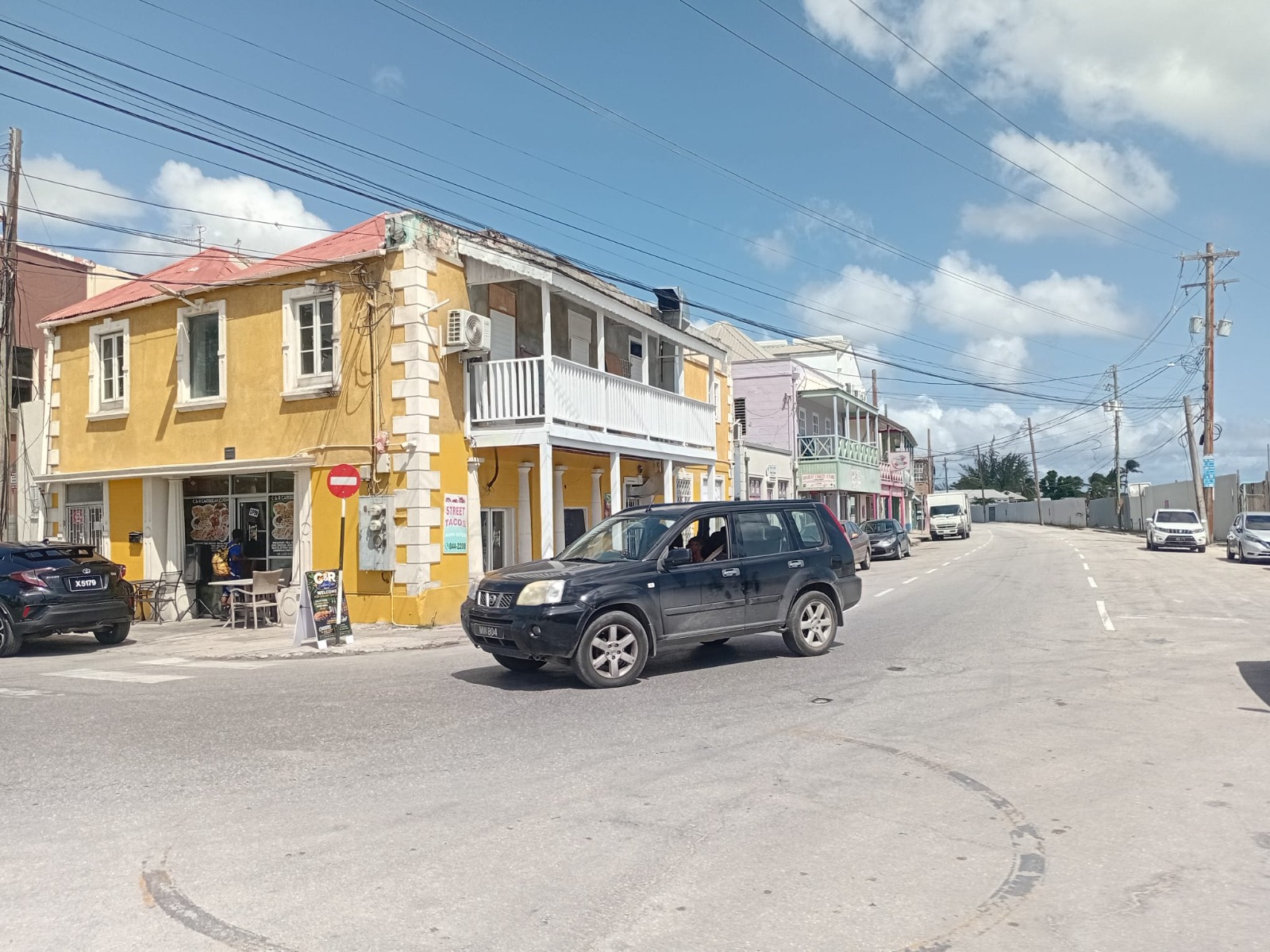
In the heart of Bridgetown, Barbados, a 150-year-old historic infrastructure landmark is triggering growing financial strain for local retailers and food service operators, multiple business proprietors have confirmed to local outlet Barbados TODAY. The structure in question is Chamberlain Bridge, better known to locals as the Swing Bridge – a key pedestrian link connecting the lower Careenage district to Bridgetown’s southern commercial hub, currently managed by state-owned Barbados Port Inc. (BPI).
In a recent operational shift that has upended daily movement across the city center, BPI has implemented a fixed schedule that closes the bridge to foot traffic for extended blocks throughout the day, with no set end date for the new restrictions. Notices posted at both ends of the converted lift bridge outline the staggered operating routine: the bridge is raised for marine traffic between 5 a.m. and 8:30 a.m., 10:45 a.m. to 1 p.m., and 3 p.m. to 6 p.m. Pedestrians are only permitted to cross during three windows: 8:30 a.m. to 10:45 a.m., 1 p.m. to 3 p.m., and 6 p.m. to 5 a.m. the following day.
For business owners along Lower Bay Street, the restricted access has already translated to a measurable drop in foot traffic and revenue, with the midday lunch rush hit hardest. Many regular patrons who travel from the other side of the Careenage for midday meals and errands are opting to stay away rather than take the long detour around the waterway, owners report. “Some people across town who come over the bridge for lunch complain that walking all the way around is too much,” shared one local restaurant owner. “It is definitely affecting my business.” The proprietor added that office and bank workers from nearby districts – once a consistent core customer base – are among those skipping the trip entirely.
Navin, operator of Bhairav Variety Store, echoed those frustrations, noting that inconsistent adherence to the published schedule has made the problem even worse. “I am losing business and people who depend on me are inconvenienced,” he said. “The bridge says it is open at a certain time, but when you get there, it is not open. It has happened many times.” That unpredictability, he explained, has deterred even committed regulars from attempting to cross. “When people go there expecting it to open and it does not, they have to walk all the way around. That is not how business works. They need to organise it better so that when they say it will open, it opens.”
Reactions from everyday pedestrians to the new schedule have been split, with some dismissing the disruption as a minor hassle and others describing it as a major break from daily routine. A Jamaican visitor to the island said the unexpected closure extended her travel plans during a recent trip, calling the change “an inconvenience.” For daily commuter Astor Whitehall, however, the longer walk is no cause for complaint: “It doesn’t matter to me — the exercise is good,” he said.
Another regular user acknowledged that the operational change may serve a practical purpose, but argued that the impact on ordinary Bridgetown residents has been underplayed. “For the most part, it will be an inconvenience for ordinary people,” he said. Samantha Yearwood, who crosses the bridge every day for work, said the new rules have completely upended her commute. “It is an inconvenience because I now have to go around the other side to get to work,” she explained.
Elderly pedestrian Frederick Young struck a more conciliatory tone, noting that the restrictions could be justified if they address critical infrastructure needs. “If there is a good reason, I don’t see anything wrong with the time limits,” he said.
As of press time, senior BPI officials have not responded to requests for comment on the new schedule or the concerns raised by local business owners.
Chamberlain Bridge carries deep historical roots for Bridgetown – the city takes its name from the original Indian Bridge that stood on the same site, with the current structure constructed between 1865 and 1867. For more than a century, it accommodated both vehicles and pedestrians, with operators manually swinging the span open to allow schooners to access the Inner Basin. Small fishing vessels could even pass beneath the closed span when mooring in the basin. By the 1990s, age and wear left the original swing mechanism unreliable, with engineers warning that the bridge could get stuck open if activated. It was closed to vehicle traffic for years, before undergoing a conversion to a lift bridge in 2006 that preserved its function as a key pedestrian crossing.