The recent brutal fatal stabbing of 25-year-old Shayanna Ruiz has sparked urgent conversations about emotional management and deep-rooted societal violence in Chaguanas, where the incident unfolded. Ruiz was killed Wednesday in a confrontation over a $4,500 debt with her ex-boyfriend’s current girlfriend, prompting mental health experts and security analysts to sound the alarm about gaps in how modern society handles conflict and intense emotion.
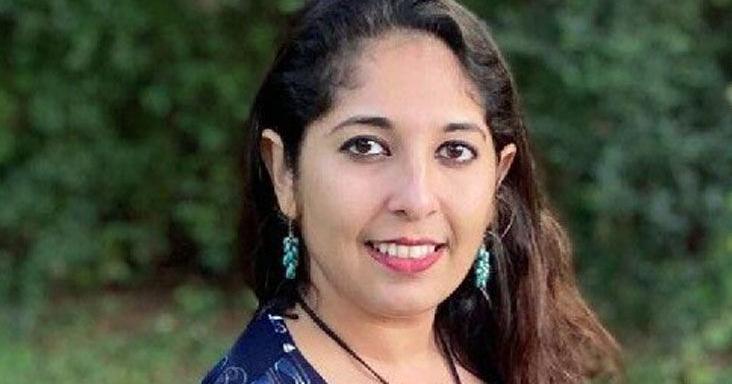
Clinical and counselling psychologist Nidhi Kirpalani shared her insights with the *Sunday Express* in the wake of the killing, arguing that the core skills of recognizing emotional triggers and regulating intense feelings could prevent impulsive, destructive acts during moments of anger or distress. Contrary to common misconceptions, Kirpalani emphasized that anger is not an emotion to be suppressed or avoided entirely — it is a normal, functional human response that signals hurt, perceived unfairness, or threat, and acts as a warning of internal imbalance.
“Emotional intelligence is not just about staying perpetually calm or never feeling angry,” Kirpalani explained. “The first critical step to building this intelligence is cultivating awareness of what situations spark our strongest emotional reactions. Even just identifying your triggers is a meaningful victory; it gives you deeper self-knowledge that you did not have before.”
Kirpalani noted that simply noticing recurring emotional patterns is an active step toward change, as it helps people connect their reactions to unwanted outcomes. Managing anger does not mean pushing the feeling down, she clarified — it means preventing anger from taking full control of one’s actions. When people pause before reacting, they activate the region of the brain responsible for empathy, sound judgment, and understanding consequences, rather than slipping into the involuntary survival mode that intense anger triggers.
“When anger becomes overwhelming, our brain and nervous system shift into fight, flight or freeze mode,” Kirpalani said. “Our heart rate spikes, our thinking rigidifies, and we focus only on reacting instead of weighing what will happen after we act. Slowing down, taking deep breaths, and grounding yourself in the present moment gives you space to evaluate different responses and their outcomes.”
She added that anger often acts as a surface-level mask for deeper unresolved emotions, including sadness, feelings of rejection, or fear of abandonment. Unaddressed childhood trauma and lingering core insecurities can also amplify current emotional reactions, she said, meaning people must examine whether their response stems from the present situation or old unhealed wounds. Critically, emotional regulation does not require people to accept unfair treatment or ignore their legitimate grievances — instead, it creates space to respond intentionally rather than react impulsively, protecting both personal well-being and, in extreme cases, personal freedom.
Building emotional awareness is a gradual, lifelong practice, Kirpalani noted, but it empowers people to respond thoughtfully rather than letting intense emotion dictate their choices. Her advice for anyone feeling anger rising is simple: step back for a moment, notice your physical and emotional state, and assess your options before acting.
Beyond individual emotional skills, regional security consultant Dr. Garvin Heerah argues that Ruiz’s death exposes a far deeper, more disturbing societal trend that has taken root across parts of the population: the normalization of aggression as a legitimate tool to resolve conflict. Heerah told the *Sunday Express* that this trend is visible across all layers of society, from common road rage outbursts and rising school violence to the hateful, divisive, vengeance-focused language that permeates public discourse and even political spaces. He added that persistent, underrecognized racial tension also fuels this culture of aggression, beneath the surface of perceived social harmony.
From a security perspective, Heerah said one of the most alarming shifts in recent years is the growing link between violent crime and psychopathology. Offenders increasingly demonstrate extreme brutality, a total lack of empathy, and a willingness to kill over trivial disputes that could be resolved through calm discussion. Violent acts are growing more excessive and personal, signaling a dangerous shift in public behavior that cannot be solved by policing alone, he argued.
“This is not solely a law enforcement issue — it is a national crisis of social resilience that demands a whole-of-society response,” Heerah said. “Families, schools, communities, faith groups, mental health professionals, and the justice system all have a role to play. If we do not address the cultural and psychological drivers of violence, we will raise a new generation that sees violence as an acceptable way to solve conflict.”
Heerah warned that if society continues to become desensitized to brutal violence, it could become a permanent, damaging part of the nation’s collective character. “The greatest threat to a nation is not just the criminal holding a weapon — it is a society that slowly stops seeing violence as abnormal,” he said. “This is a trend we must reverse before it becomes permanently embedded in our national identity.”