A landmark new partnership between Global Affairs Canada and the United Nations Office for Project Services (UNOPS) has birthed the Caribbean Resilient Infrastructure Implementation and Skills Exchange (RIISE) Facility, a first-of-its-kind regional initiative aimed at boosting Caribbean governments’ capacity to deliver climate-resilient infrastructure projects. Scheduled for an official launch on September 14, 2026, alongside the Caribbean Infrastructure Forum (CARIF) in Miami, the facility fills a critical gap in regional development support by focusing specifically on the under-addressed implementation phase of infrastructure projects.
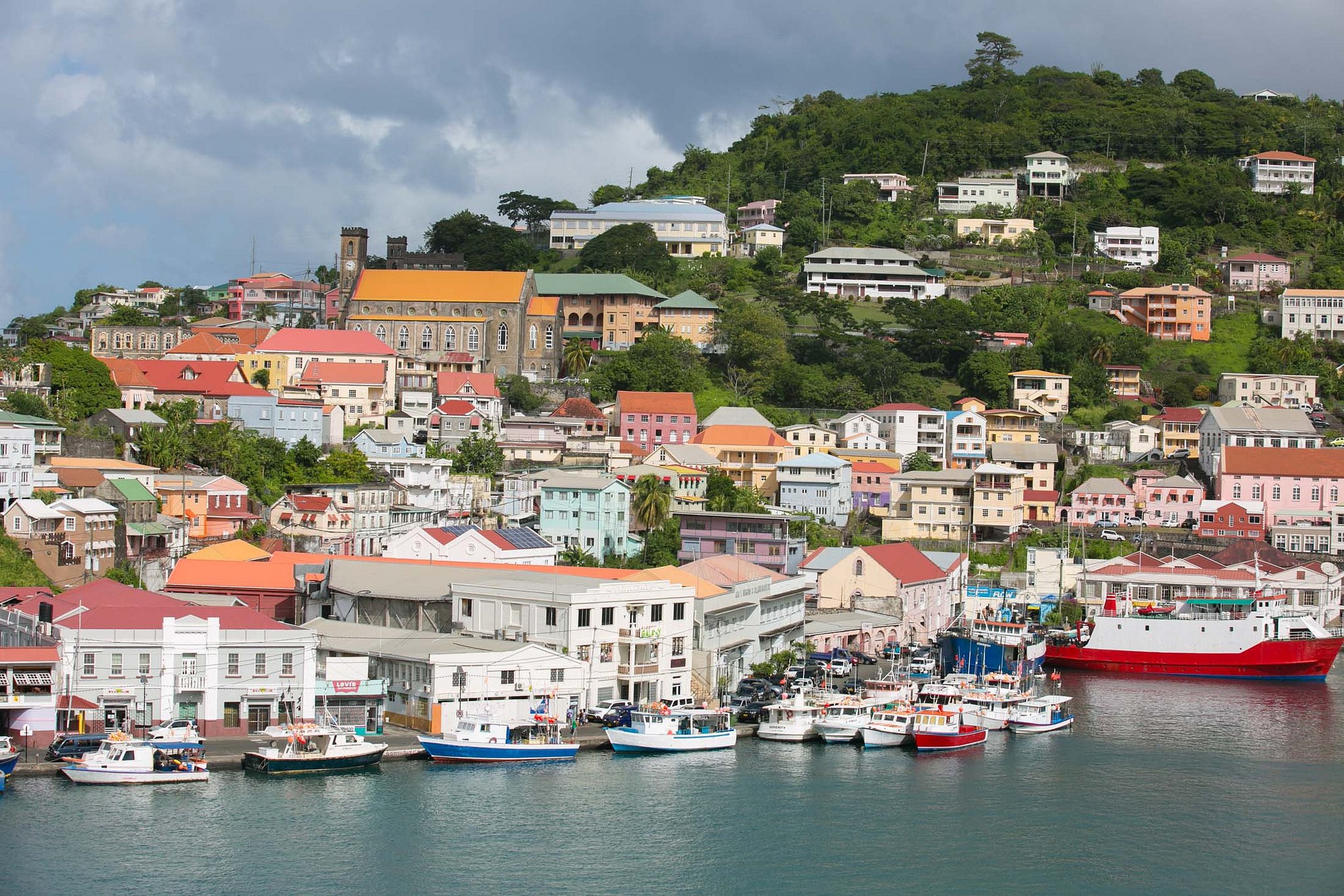
Funded entirely by the Government of Canada and hosted by UNOPS, RIISE will kick off its operations by supporting four Eastern Caribbean nations: Dominica, Grenada, St Lucia, and St Vincent and the Grenadines. A dedicated regional secretariat, based in Barbados, will serve as the central hub for the initiative, merging on-the-ground regional leadership with UNOPS’s decades of global development expertise and adherence to United Nations administrative standards and core values. The secretariat’s core function will be to coordinate incoming requests from participating national governments and mobilize specialized, context-appropriate expertise to tackle the specific implementation bottlenecks delaying critical infrastructure work.
Across the Caribbean basin, governments have laid out ambitious agendas to upgrade infrastructure and scale up investments in climate resilience, a pressing priority given the region’s outsized vulnerability to extreme weather events and rising sea levels. However, many of these planned projects have been held back by systemic implementation challenges, from limited local specialized capacity to gaps in technical knowledge that slow delivery and increase costs. RIISE was developed directly in response to this expressed demand from Caribbean governments, providing targeted technical support designed to strengthen national implementation capacity and speed up the delivery of high-priority projects.
Brenda Wills, Canada’s High Commissioner to Barbados and the Eastern Caribbean, emphasized the initiative’s alignment with Canada’s longstanding commitment to the Caribbean region. “Canada is proud to support RIISE as part of our longstanding commitment to strengthening climate resilience across the Caribbean,” Wills noted. “By helping governments deliver resilient infrastructure more effectively, build local capacity and promote specialized expertise across the region, RIISE will generate lasting benefits for Caribbean communities while deepening the strong ties between Canada and the region.”
Giuseppe Mancinelli, UNOPS Director for Barbados and Caribbean Coordinator, explained that the initiative is built around the development priorities set by Caribbean nations themselves. “Caribbean governments have clear priorities and an ambitious vision for resilient and sustainable development. RIISE will provide timely access to the specialized expertise they need to overcome implementation challenges and turn those priorities into tangible results for communities. At the same time, it will strengthen national capacities and foster greater regional collaboration,” Mancinelli said.
Unlike existing regional mechanisms that focus primarily on project financing and pre-implementation preparation, RIISE complements these existing frameworks by zeroing in on the execution stage, turning already approved investments and national development priorities into on-the-ground outcomes for local communities. The support offered through the facility is fully customizable to each government’s specific needs, and can include short-term technical advisory services, temporary deployment of specialized infrastructure and resilience experts, and cross-border knowledge and experience exchanges between participating nations.
Participating governments currently facing implementation roadblocks on planned infrastructure projects are encouraged to connect with the RIISE coordinating team early in the process, as the initiative explores opportunities for its first round of support. The official launch next year will mark the formal start of the facility’s operations, kicking off a new chapter of regional collaboration on climate-resilient development in the Caribbean.